

This event is over. See upcoming events
10:00 AM - 4:00 PM (IST)
Master Class on MAHĀBHĀRATA by Prof Vishwa Adluri
SPEAKERS
Categories:
Contact
INDICA & CENTRAL SANSKRIT UNIVERSITY
Present
MASTER CLASS ON MAHĀBHĀRATA
A Four Day Workshop on the text, tradition, & interpretation of the epic
INDICA and Central Sanskrit University are collaborating to launch a Master’s program in Mahābhārata Studies, a rigorous graduate degree rooted in close textual reading, philosophical inquiry, and the wider Vedic intellectual tradition from which the epic emerged. The program aims to nurture a new generation of scholars who can study the Text with depth and precision, teach it with confidence, and help build a strong and growing community of Mahābhārata specialists.
From 5 to 8 January 2026, we are hosting a Master Class on Mahabharata by Prof. Vishwa Adluri, that reflects the same pedagogical depth, textual rigour, and interpretive framework that will shape the upcoming program. The venue is Lecture Hall 1, India International Centre Annexe, KK Birla Lane, Near INTACH, New Delhi.
The workshop offers an intensive text-based study of the Mahābhārata, situating it within the Vedic textual tradition. Participants will study sections from Ṛg-veda-samhitā, Aitareya Brāhmaṇa, Bṛhadāraṇyaka Upaniṣad and finally Bhāgavatapurāṇa to unearth textual connections operating under the name “Vyāsa.” This workshop will introduce the method of mīmāṁsā or interpretation, to explore how the Mahabharata itself is an interpretation of the Vedas, particularly in clarifying the intricate relationship between karma (action) and jnana (knowledge), and how this interpretation created the bhakti tradition.
Throughout the workshop, participants will delve into the epic’s critique and interpretation of varṇa (social order) and adhikāra (qualification), engaging in elaborate debates set against the backdrop of a symbolic literary yajna: war. The Mahābhārata will challenge the notion of varṇa as merely hereditary and critically deconstruct the lineage (vaṃśa) of the Kurus, offering a nuanced perspective on social and moral orders.
Through this preview we intend to give prospective students and scholars a first-hand experience of the intellectual method that the forthcoming Masters seeks to cultivate. It is designed for serious readers, researchers, and seekers who wish to study the Mahābhārata within its Vedic matrix and understand its interpretive architecture with scholarly precision.
SCHEDULE
|
Day 1: Jan 5, 2026 Prelude to the Mahabharata |
|
|
Inaugural Session |
|
|
9:30 – 9:33 AM | Welcome Address by Dimple Kaul |
|
|
9:33 – 9:36 AM | Dīpa Prajvālana and Pushpārpaṇa Lamp lighting before Vyāsa Muni’s frame and offering of flowers by Prof. Srinivasa Varakhedi, Hon’ble Vice Chancellor, Central Sanskrit University and Prof. Vishwa Adluri |
|
|
9:36 – 9:44 AM | Vyāsa Stuti |
|
|
9:44 – 9:54 AM | Inaugural Address by Prof. Srinivasa Varakhedi, Hon’ble Vice Chancellor, Central Sanskrit University |
|
|
9:54 – 10:00 AM | Transition to Session 1 of Day 1 |
|
|
Session 1 : 10:00 AM to 11:30 AM |
|
|
Topic |
Introduction and Overview. Singularity and Multiplicity in Veda |
|
Text |
Nāsadīya Sūkta, Puruṣa Sūkta, Śāyana and Śankara (selections) |
|
Tea Break: 11:30 AM to 12 PM |
|
|
Session 2 : 12:00 PM to 1:30 PM |
|
|
Topic |
Sacrifice and Salvation |
|
Text |
Śunaḥśepa in Aitareya Brāhmaṇa. |
|
Lunch Break : 1:30 PM to 2:30 PM |
|
|
Session 3: 2:30 PM to 4:00 PM |
|
|
Topic |
Battle of gods and asuras |
|
Text |
Bṛhadāraṇyaka Upaniṣad |
|
Tea and Snacks: 4:00 PM to 4:30 PM |
|
|
End of Day 1 |
|
|
Day 2 : Jan 6, 2026 Mahābhārata |
|
|
Session 1 : 10:00 AM to 11:30 AM |
|
|
Topic |
Vyāsa and Approaches to Mahabharata |
|
Text |
Handouts on Western interpretations and Indigenous interpretations |
|
Tea Break: 11:30 AM to 12 PM |
|
|
Session 2 : 12:00 PM to 1:30 PM |
|
|
Topic |
Text, Tradition, and the Critical Edition |
|
Text |
PowerPoint presentation |
|
Lunch Break : 1:30 PM to 2:30 PM |
|
|
Session 3: 2:30 PM to 4:00 PM |
|
|
Topic |
Sacrifice, Salvation and Heavenly Worlds |
|
Text |
Sabhāparvan |
|
Tea and Snacks: 4:00 PM to 4:30 PM |
|
|
End of Day 2 |
|
|
Day 3 : Jan 7, 2026 Mahābhārata and Classical Hinduism |
|
|
Session 1 : 10:00 AM to 11:30 AM |
|
|
Topic |
Women and Śūdras |
|
Text |
Dyūtaparvan |
|
Tea Break: 11:30 AM to 12 PM |
|
|
Session 2 : 12:00 PM to 1:30 PM |
|
|
Topic |
Battle of gods and asuras |
|
Text |
Selections from Vanaparvan and Udyogaparvan |
|
Lunch Break: 1:30 PM to 2:30 PM |
|
|
Session 3: 2:30 PM to 4:00 PM |
|
|
Topic |
Mokṣadharma |
|
Text |
Nārāyaṇīya |
|
Tea and Snacks: 4:00 PM to 4:30 PM |
|
|
End of Day 3 |
|
|
Day 4 : Jan 8, 2026 |
|
|
9:30 – 10:00 AM | Valedictory Session |
|
|
9:30 – 9:45 AM | Address to the Cohort by Hari Vadlamani, Founder, INDICA, NICE and coHari |
|
|
9:45 – 9:55 AM | Valedictory Address by Prof. Ramesh Chandra Gaur Member of the International Advisory Committee of UNESCO’s Memory of the World (MoW) Programme and Co-Chair and Member of UNESCO’s Global Task Force for the International Decade of Indigenous Languages (IDIL). Member of the Governing Council of INFLIBNET (UGC). Contributed to more than 100 national and international expert committees in the domains of cultural heritage, libraries, knowledge systems, and digital documentation. |
|
|
9:55 – 10:00 AM | Closing Address by Prof. Srinivasa Varakhedi Hon’ble Vice Chancellor, Central Sanskrit University |
|
|
10:00 AM | Day 4 Academic Session Commences |
|
|
Session 1: 10:00 AM to 11:30 AM |
|
|
Topic |
Interpreting the Mahābhārata |
|
Text |
Bhāgavatapurāṇa |
|
Tea Break: 11:30 AM to 12 PM |
|
|
Session 2 : 12:00 PM to 1:30 PM |
|
|
Topic |
Hinduism against Caste |
|
Text |
Bhāgavatapurāṇa |
|
Lunch Break: 1:30 PM to 2:30 PM |
|
|
Session 3: 2:30 PM to 4:00 PM |
|
|
Tea and Snacks: 4:00 PM to 4:30 PM |
|
|
End of Day 4 |
|
Seats are limited. If you wish to participate, please fill out the form. We will inform you of the selection status once the review is complete.
Participation and Offering
This workshop follows INDICA’s gratitude based approach to learning. There is no fixed fee. Instead, selected participants are invited to offer whatever form of gratitude feels authentic to them. You may choose to express it directly to the teacher as Guru Dakshina, support INDICA’s work through a contribution, or offer your time by sharing and carrying forward what you learn. For those who wish to contribute financially, you can use the link below to express your gratitude in any amount you choose.
Express Your Gratitude: https://rzp.io/rzp/mytBrEBj
Speakers
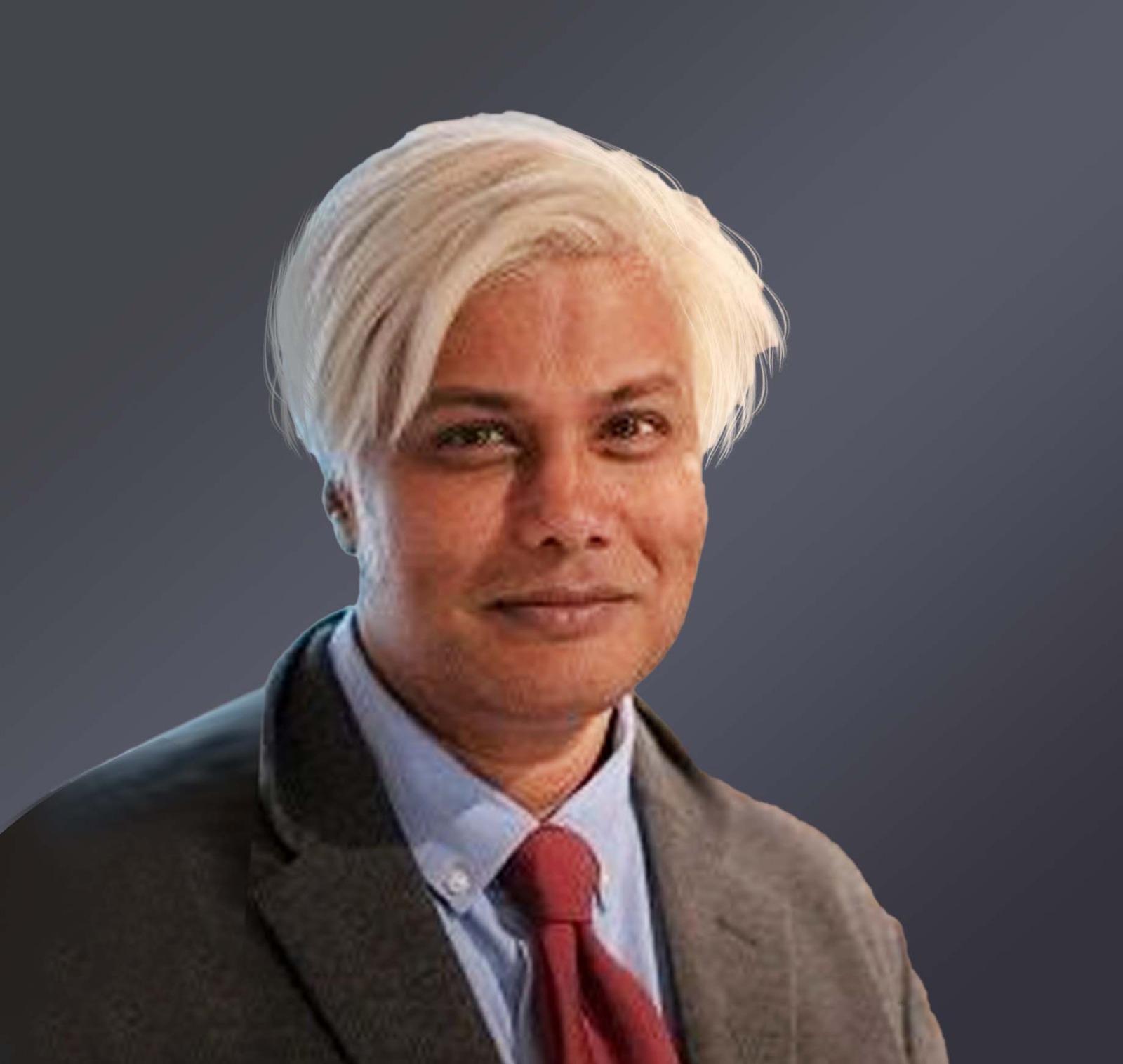
Prof. Vishwa Adluri
Professor, Scholar, and Speaker
Prof. Vishwa Adluri is a philosopher and Indologist known for his groundbreaking work on the Mahābhārata and the philosophical foundations of Hindu thought. He holds doctorates in Philosophy (The New School for Social Research, New York) and Indology (University of Marburg, Germany). His collaborations with Joydeep Bagchee, including The Nay Science: A History of German Indology and Philology and Criticism: A Guide to Mahābhārata Textual Criticism, have been widely acclaimed for exposing the ideological biases of colonial Indology and restoring dignity to Indian hermeneutics. Prof. Adluri’s work reveals the Mahābhārata not as a mythological epic but as a profound philosophical text that encodes the highest expressions of Hindu theology. His scholarship combines philological precision, philosophical depth, and cross-cultural insight, offering a voice that bridges ancient wisdom and modern intellectual discourse.
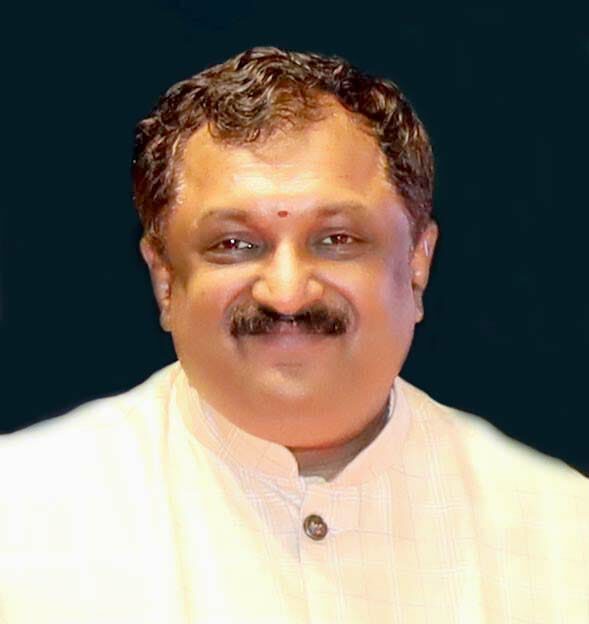
Prof. Srinivasa Varakhedi
Hon’ble Vice Chancellor, Central Sanskrit University
Prof. Shrinivasa Varakhedi is the Vice Chancellor of Central Sanskrit University and a distinguished scholar, administrator, and thought leader in Sanskrit studies, Nyāya, and computational linguistics. With nearly three decades of academic and administrative experience, he holds a Ph.D. in Nyāya and has previously served as Vice Chancellor of Kavikulaguru Kalidas Sanskrit University, Gondwana University, and Karnataka Sanskrit University. He has also held senior roles such as Registrar, Dean, Director, and Professor, and has been associated with IIT Hyderabad in Natural Language Processing and Artificial Intelligence research. Under his leadership, Central Sanskrit University achieved an A++ NAAC grade and Category I status from the UGC, steering the institution towards global excellence in Sanskrit education in alignment with the vision of Bharat as a Vishwa Guru. Prof. Varakhedi is a recipient of numerous prestigious honours, including the Maharshi Badarayan Vyas Samman (President of India), Atal Ratna, multiple D.Litt. and Honoris Causa degrees from leading universities across India. A prolific author and editor, he has written 16 books, translated key Sanskrit texts into several Indian languages, edited over 100 scholarly publications, and guided more than 25 research scholars. He has served as Visiting Faculty at several premier institutions and has delivered keynote addresses at over 200 national and international academic forums. Actively involved in policy-making and academic governance, he has been associated with over 110 national committees and bodies, contributing significantly to the promotion of Bhartiya Gyan Parampara, Indian languages, and Indic knowledge systems.
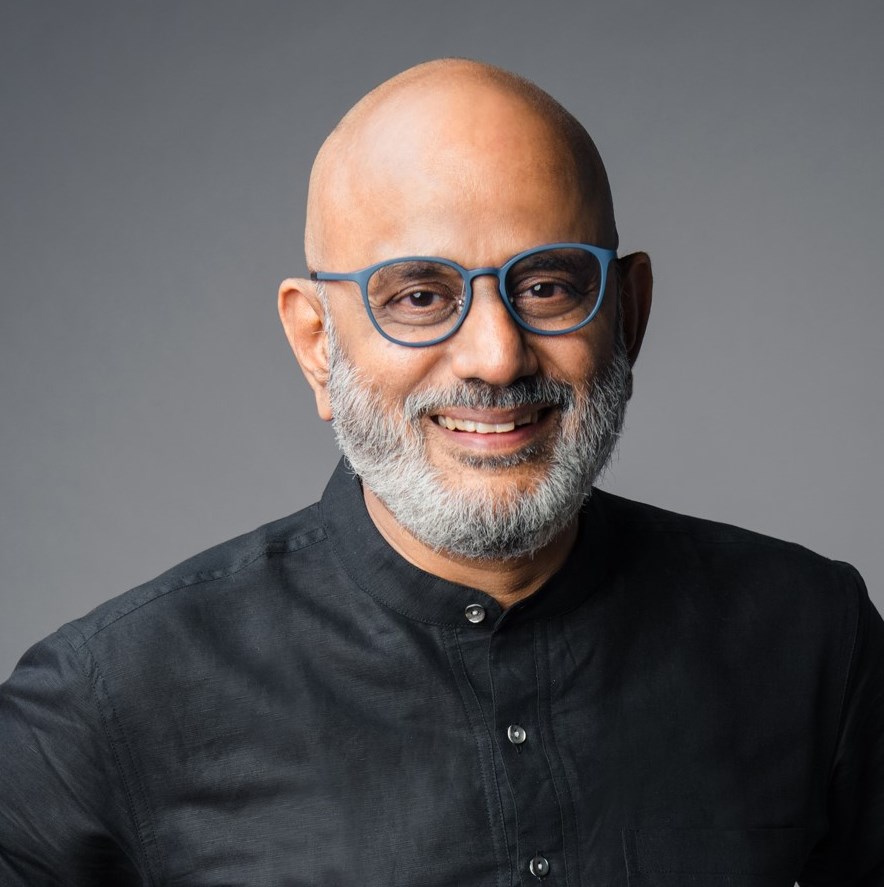
Hari Vadlamani
Founder, INDICA, NICE and coHari
Hari Kiran Vadlamani ( Hari) is a Chartered Accountant by qualification and a serial entrepreneur, having been involved in four ventures in Technology and Energy sectors. He is deeply passionate about Art, Philosophy and Indian Cultural Heritage and is a Dharmic- Indic Liberal. In 2015 he transformed himself into a Social Entrepreneur pursuing the preservation, protection and promotion of Indian Heritage. He founded INDICA ( www.indica.in) and NICE (www.niceorg.in) , both not for profits in the area of Cultural Education and Entrepreneurship. Hari brings in an entrepreneurial mindset to his work of delivering indigenous knowledge as a service, product or an experience by incubating a portfolio of ideas, rapid prototyping, absorbing failures, applying a three horizon framework, thinking of scale etc. Having the mindset of a venture investor, Hari is focussed on backing passionate individuals. He encourages, enables and empowers them to discover, nurture and express their creative potential. He believes in transforming the narrator and not the narrative. A strong advocate of pluralism, Hari envisions a vibrant ecosystem of diverse set of players and ideas and seeks to build the enabling infrastructure. Hari believes that Indian thought and the indigenous way of life from various global traditions have solutions to some of the key challenges we face today, especially sustainability, happiness, well-being and peace. He is working on developing the requisite institutional mechanisms that can transform a billion global consumers into conscious thinkers, entrepreneurs, leaders and most importantly seekers. He has developed a unique six dimensional integral strategy for pursuing this vision.
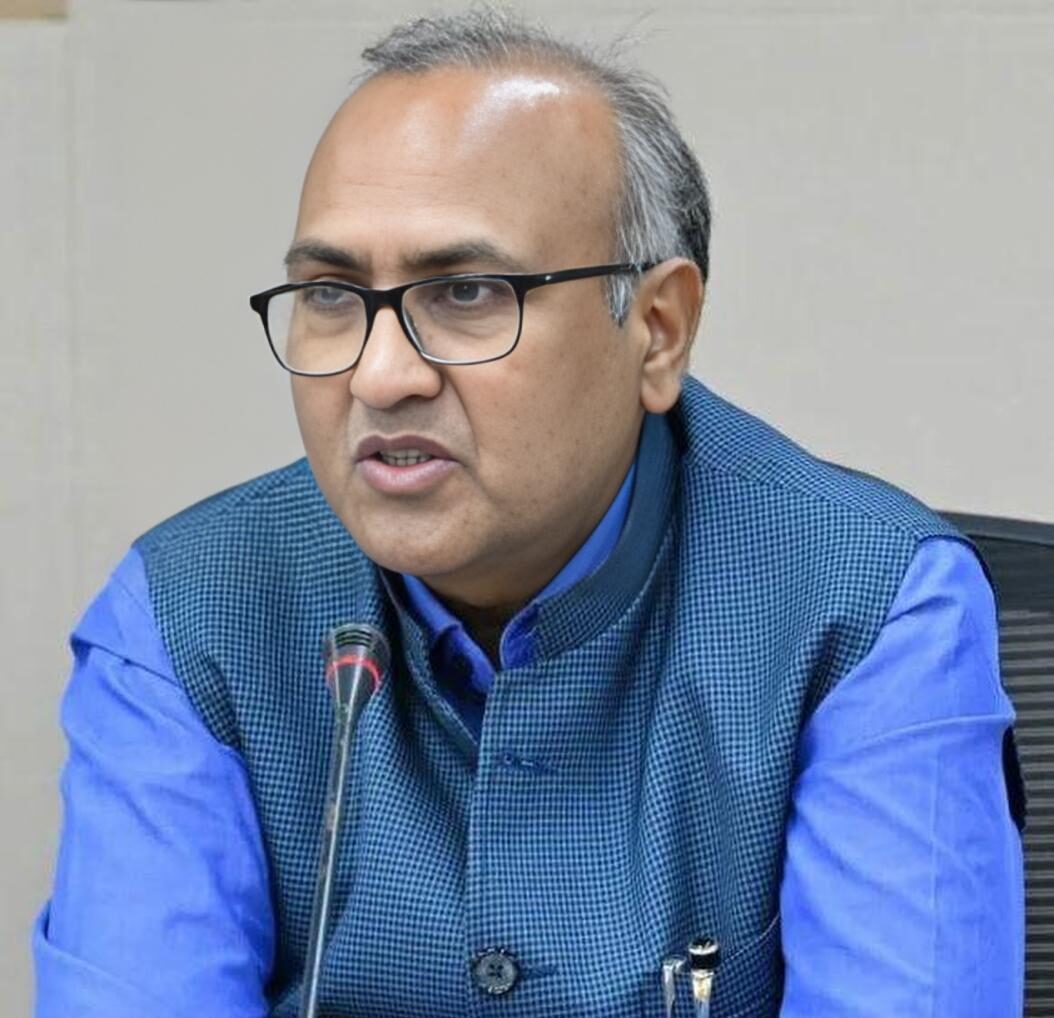
Prof. (Dr.) Ramesh C. Gaur
Professor & Dean, Indira Gandhi National Centre for the Arts (IGNCA), New Delhi
Prof. (Dr.) Ramesh C. Gaur is Professor and Dean at the Indira Gandhi National Centre for the Arts (IGNCA), New Delhi. He has earlier served as Director, National School of Drama (NSD), and as Officer on Special Duty (OSD) at the Indian Institute of Heritage (IIH), Ministry of Culture, Government of India.
At IGNCA, Prof. Gaur has held key leadership responsibilities, including Director & Head of the Kala Nidhi Division; In-charge of the Aatmanirbhar Bharat Centre for Design (ABCD); and Coordinator for the National Mission on Cultural Mapping (NMCM). He has also led the prestigious Reorganisation of Artworks and Aesthetics Project at Rashtrapati Bhavan.
At the international level, Prof. Gaur is a Member of the International Advisory Committee of UNESCO’s Memory of the World (MoW) Programme and Co-Chair and Member of UNESCO’s Global Task Force for the International Decade of Indigenous Languages (IDIL). He serves as the Nodal Officer for UNESCO MoW and related UNESCO programmes at IGNCA.
Prof. Gaur is a Member of the Governing Council of INFLIBNET (UGC) and has chaired and served on UGC Virtual Review Committees. Over the years, he has contributed to more than 100 national and international expert committees in the domains of cultural heritage, libraries, knowledge systems, and digital documentation.