

This event is over. See upcoming events
44th INDICA Online Symposium | Rājadharma Applied: IKS Lens for Policy, Governance, and Leadership
Profiles
-
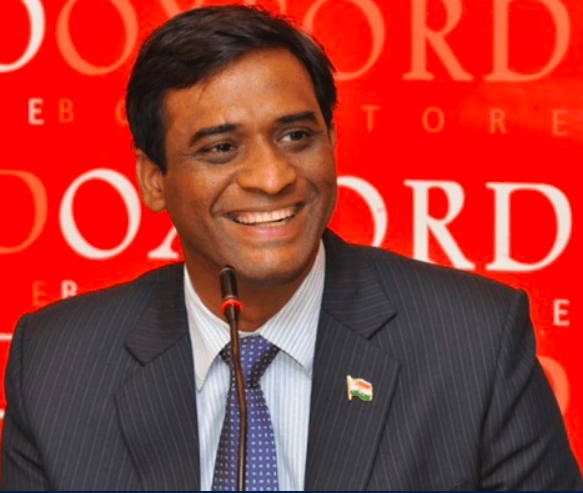
Dr. Radhakrishnan Pillai
In Memoriam
-
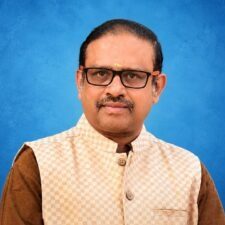
Shri. Shivakumar GV
Director - INDICA Kauṭilya Centre
-

Shri. Hari Vadlamani
Founder - INDICA, NICE, coHari
-
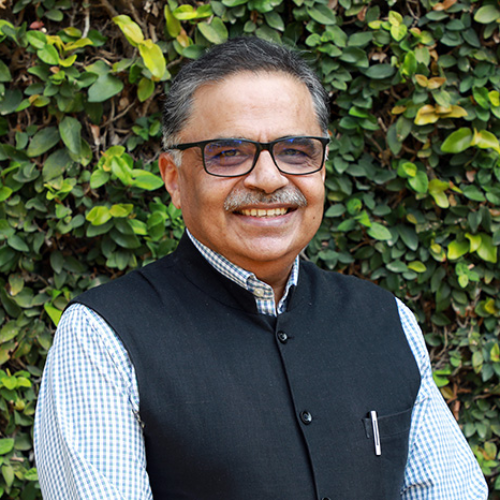
Prof. Abhoy K. Ojha
Professor (OB & HRM), IIMB (Retd)
-
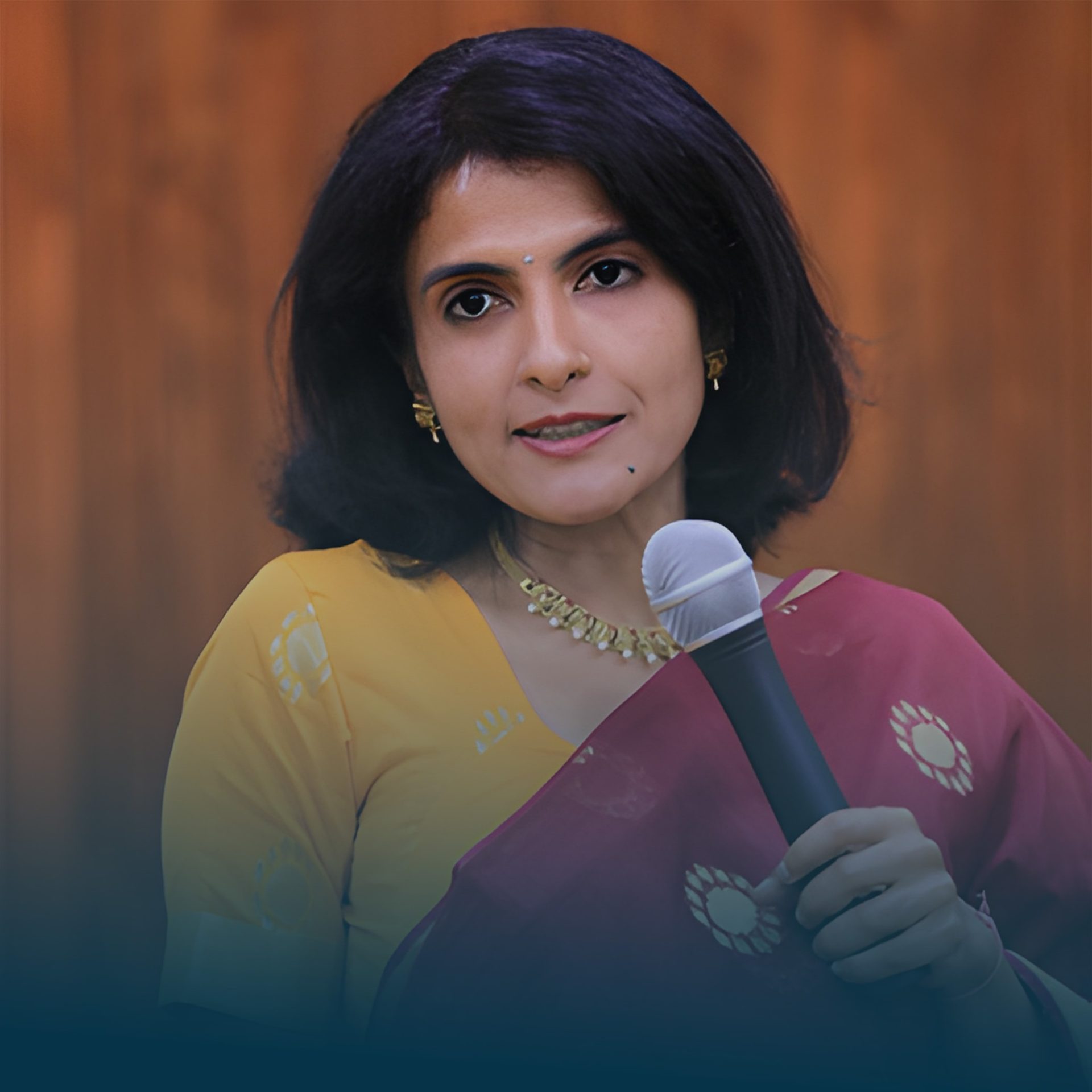
Sushri. Ami Ganatra
Author, Speaker, IKS Researcher
-
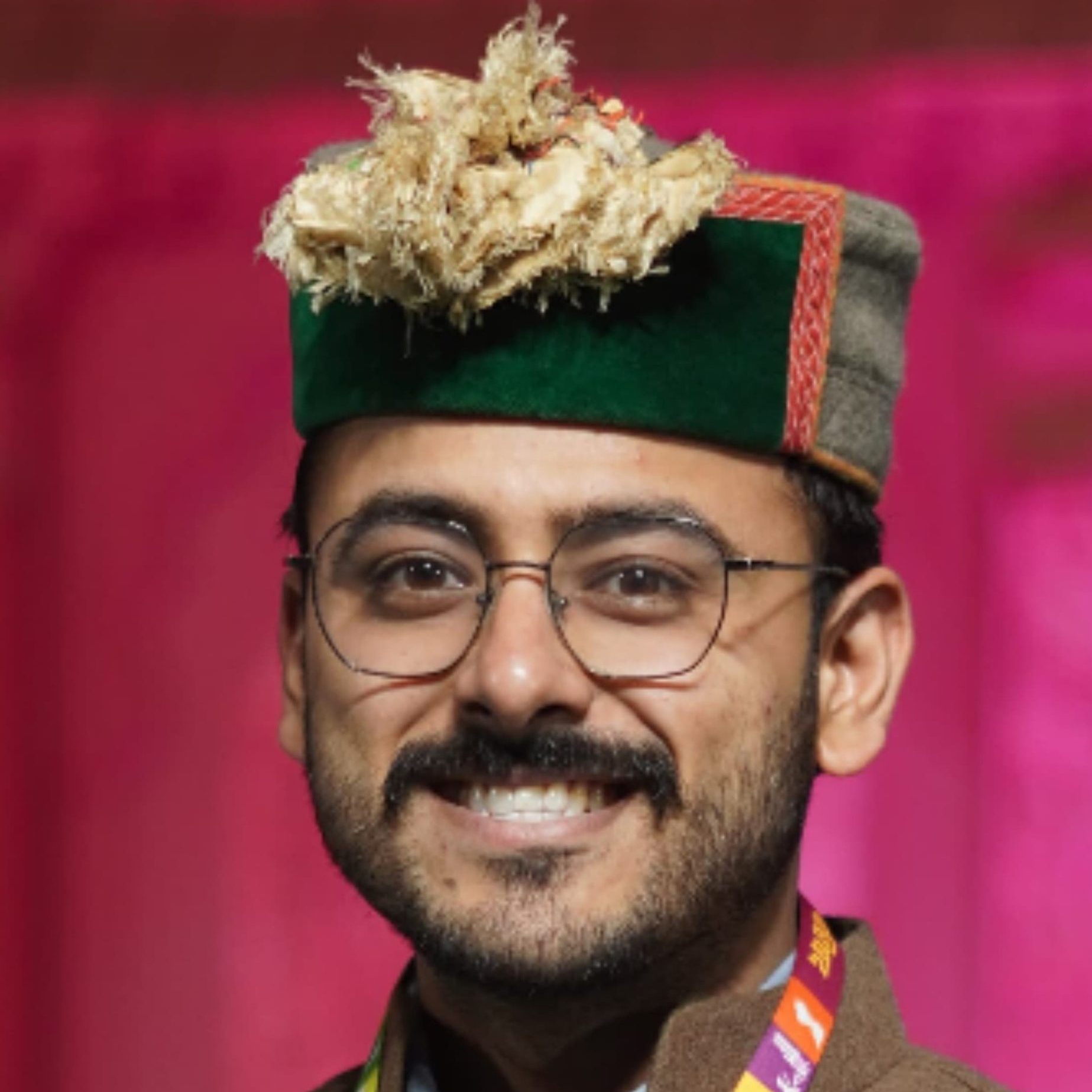
Dr. Arjun Anand
Associate Editor, The Long Memory
-
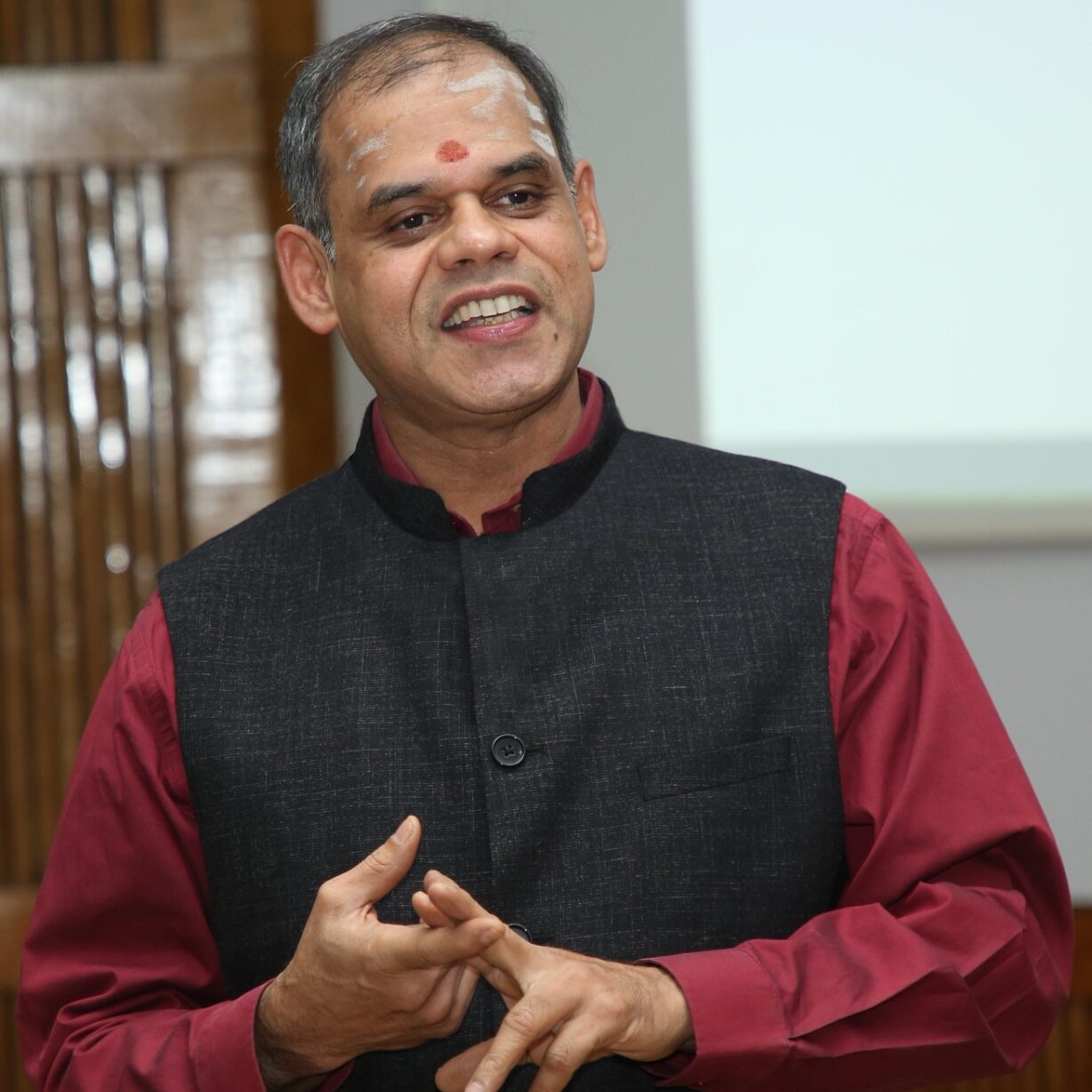
Prof. B. Mahadevan
Professor of Operations Management IIMB (Retd)
-
Dr. Bharti Chhibber
Professor, University of Delhi
-
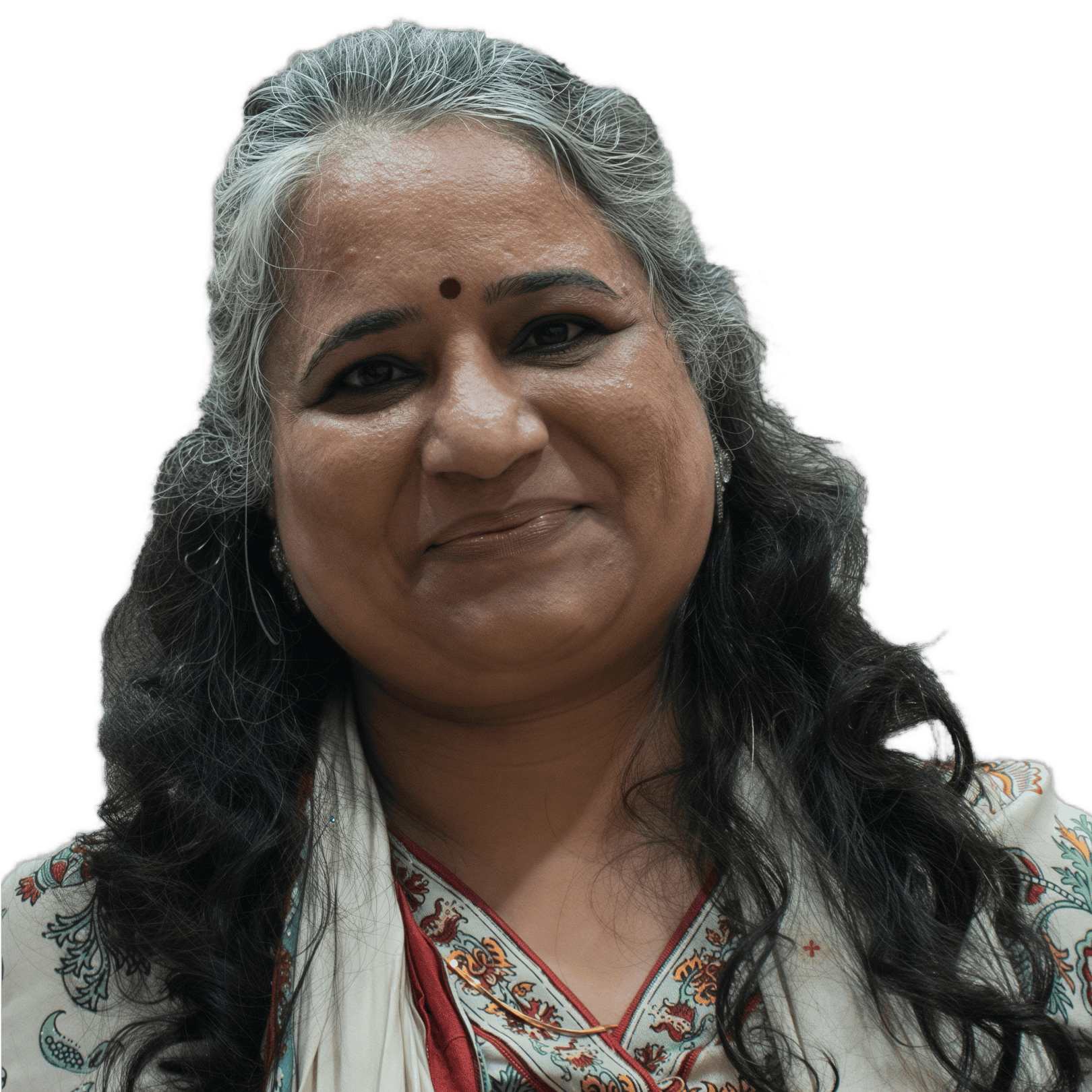
Prof. Deepti Acharya
Professor - Political Science, MSU Baroda
-
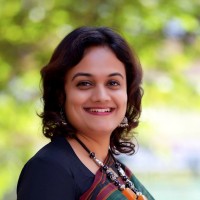
Dr. Deepti Navaratna
TV Raman Chair Professor, NIAS - Bengaluru
-
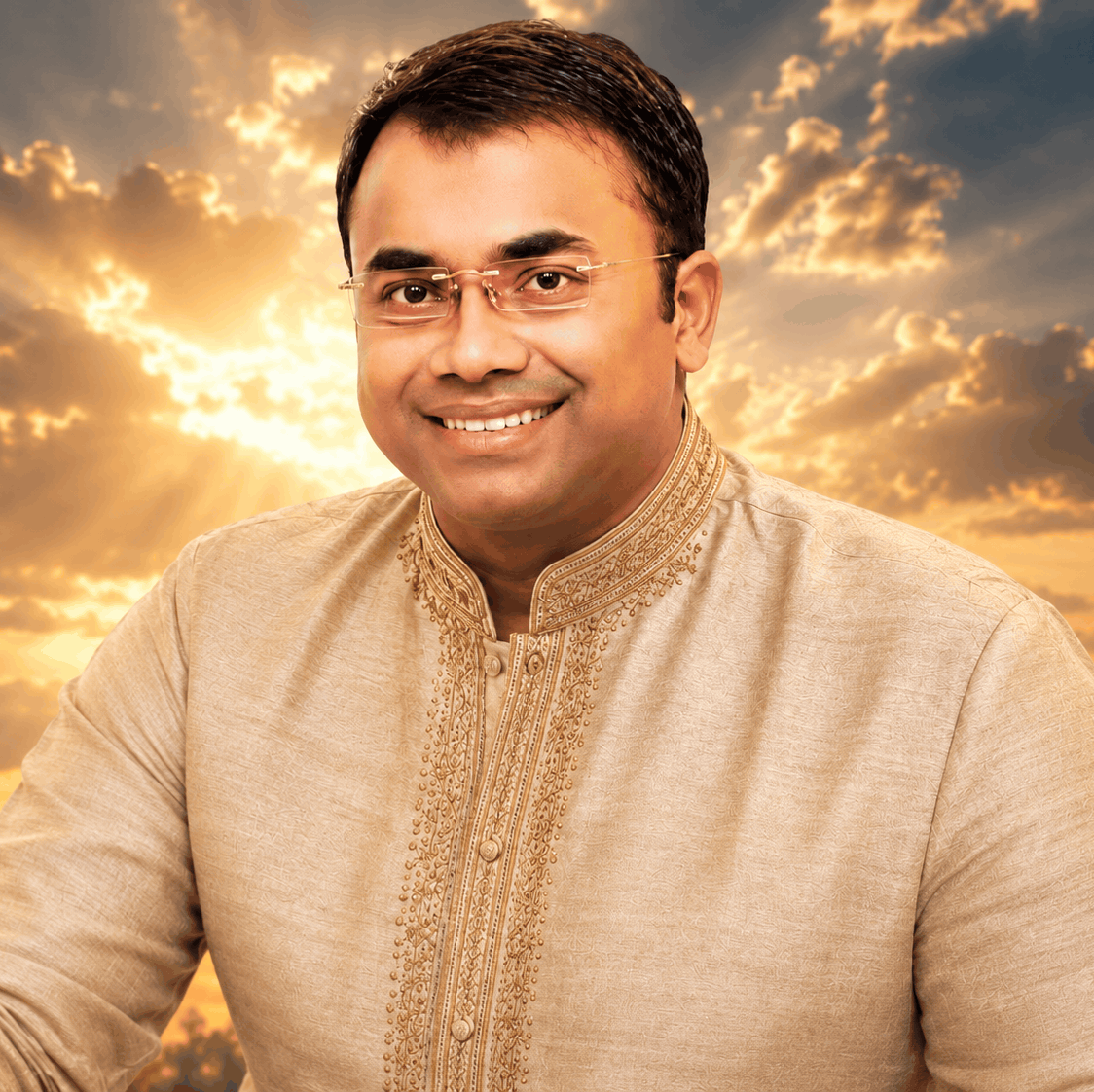
Shri. Devamalya De
Independent Researcher, IIT Hyderabad Alumnus
-
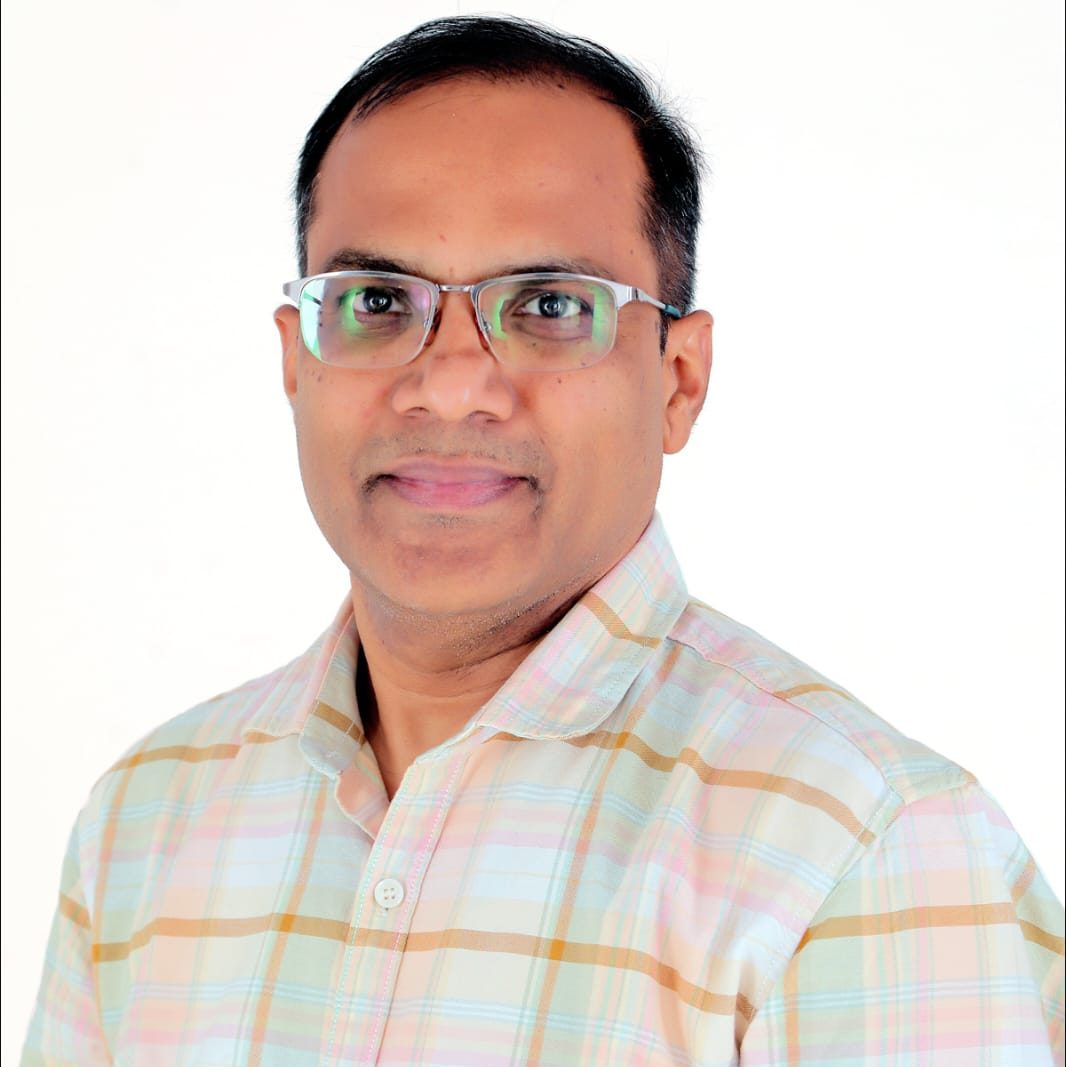
Shri. Garikapati Pavan Kumar
Independent Researcher - IKS
-
Shri. Jayesh Prabhulal Solanki
Visiting Faculty, Chanakya International Institute of Leadership Studies
-
Dr. Kamini Gogri
Project Consultant & Researcher, SOAS, Centre of Jaina Studies, University of London
-
Dr. Karanam Aravinda Rao
IPS, DGP (Retd), United Andhra Pradesh
-
Sushri. Manjula Tekal
Author, Independent Researcher
-
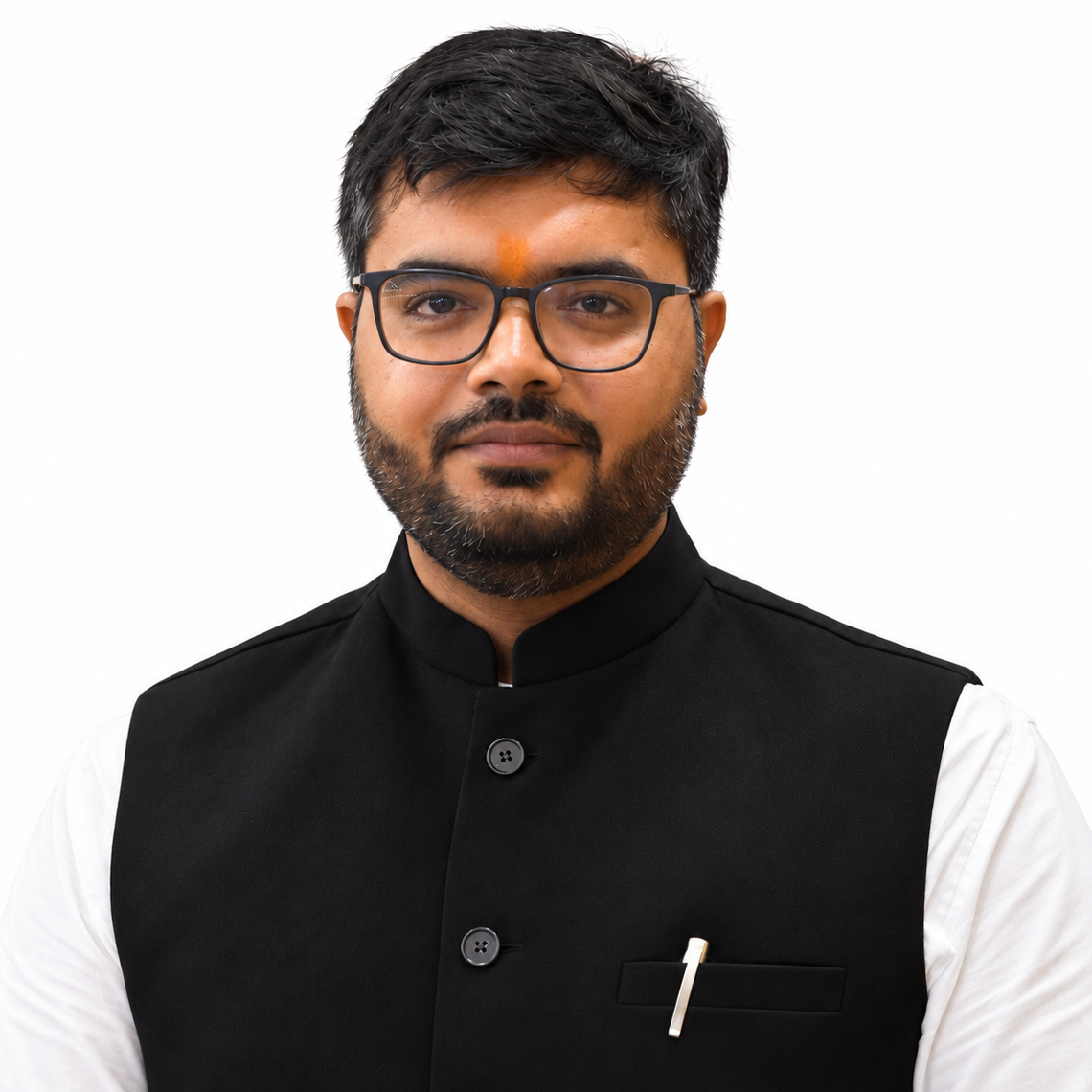
Shri. Nakul Sharma
Doctoral Scholar, NLU Delhi
-
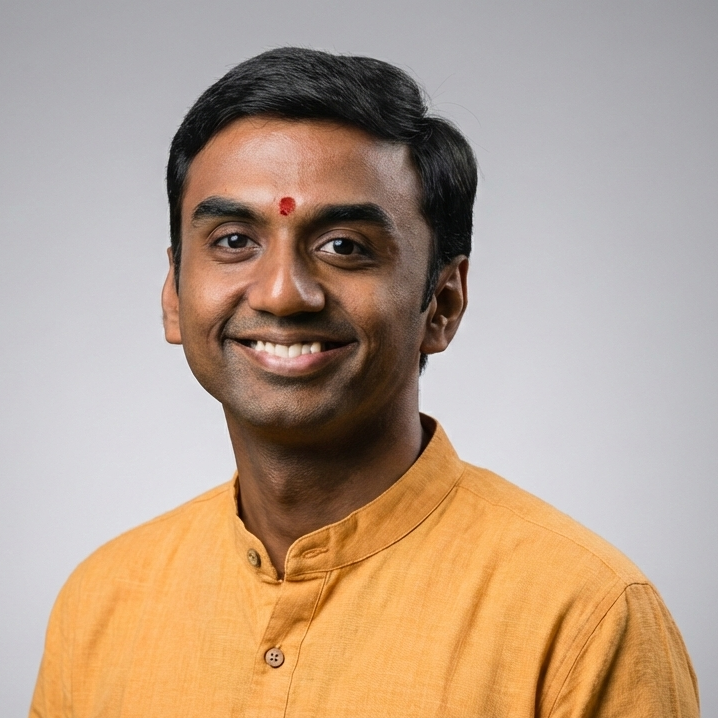
Shri. Nigamanth Srivatsan
Leadership Coach, ACIL R&D Lead, Anaadi Centre for Indic Leadership (ACIL)
-
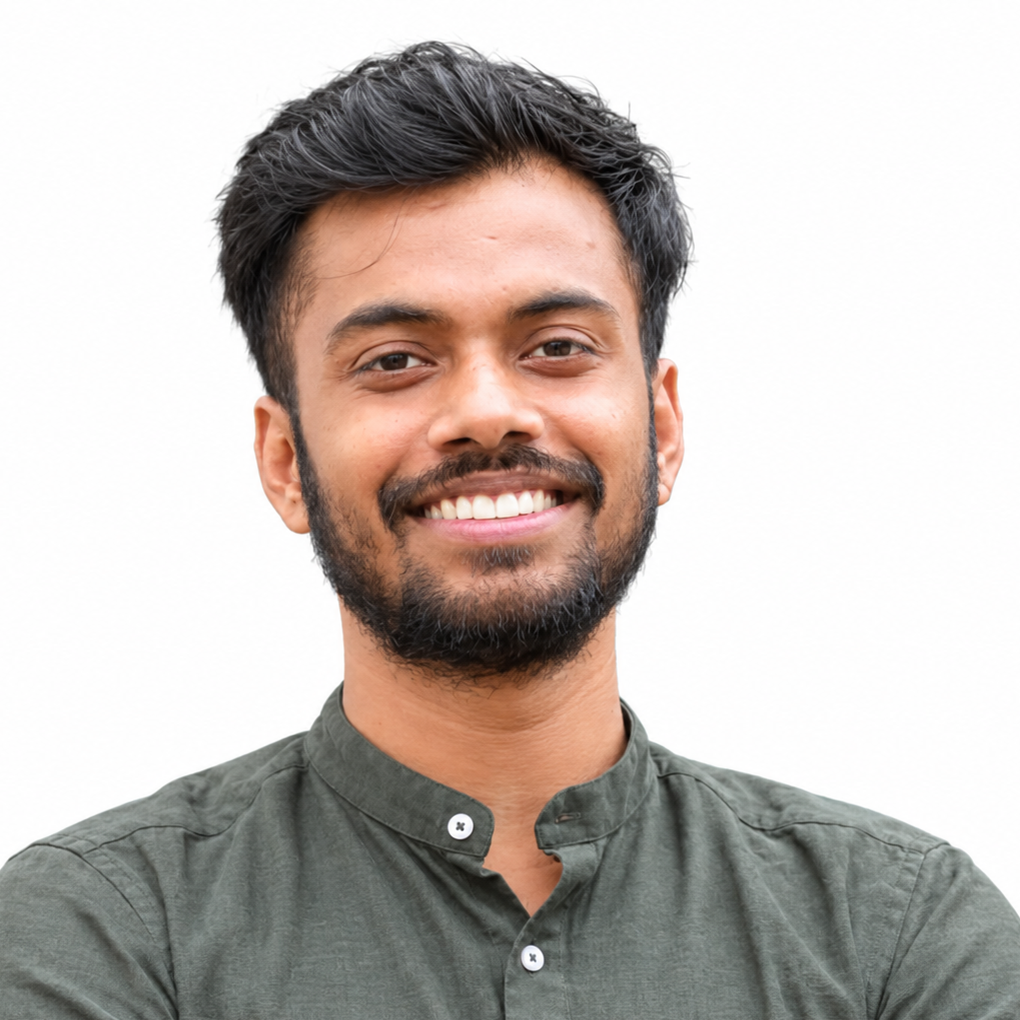
Dr. Pinku Jha
Asst. Prof. - Political Science Faculty of Arts, MSU Baroda
-
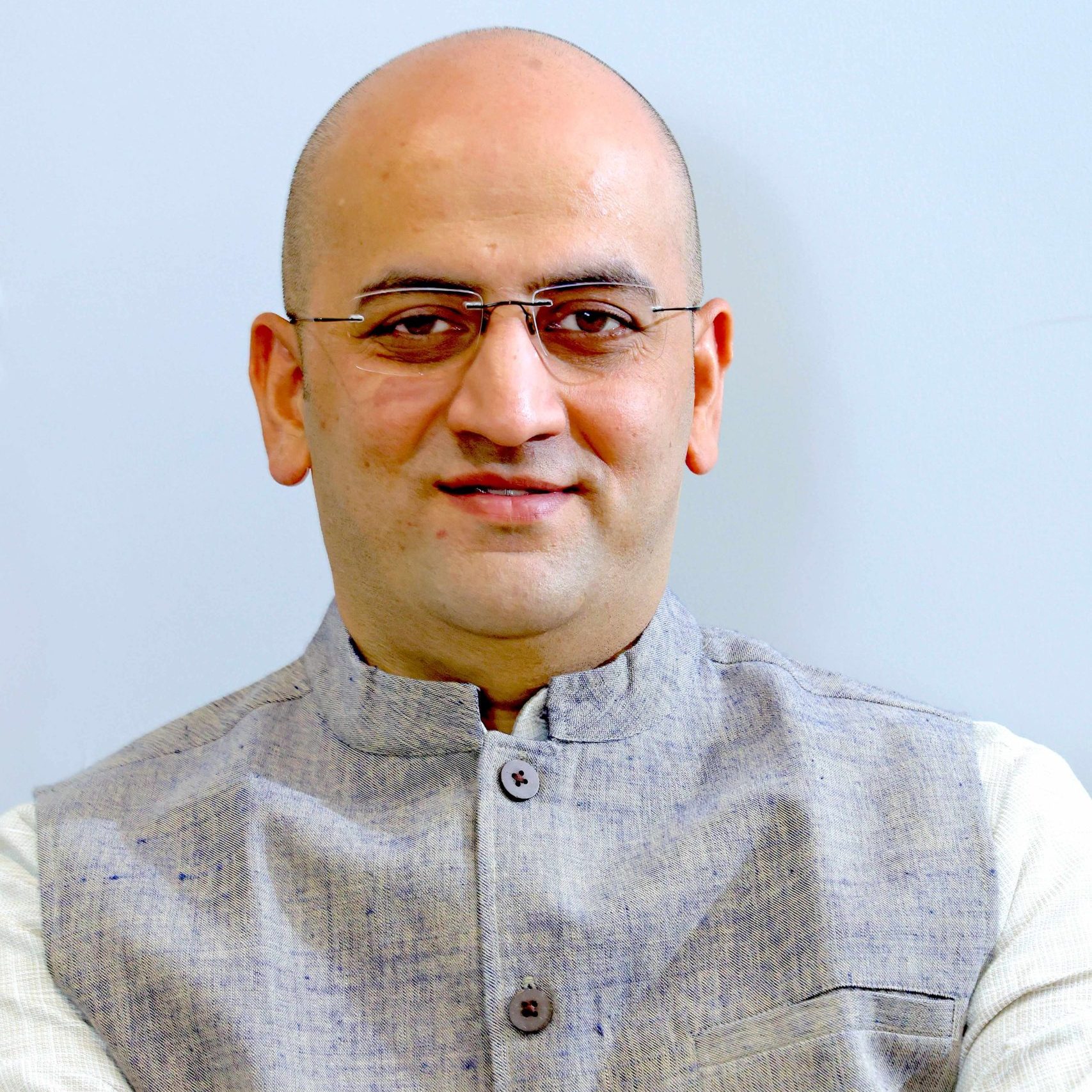
Shri. Pranav Patel
Dean - Indian Institute of Democratic Leadership (IIDL)
-
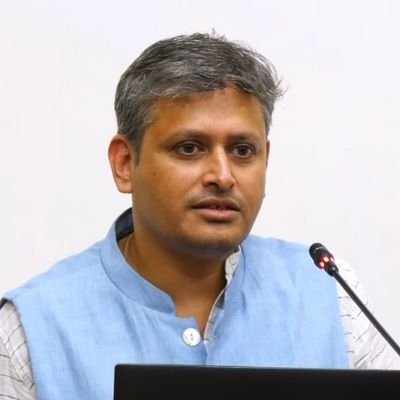
Shri. Raghava Krishna
CEO - Bṛhat
-
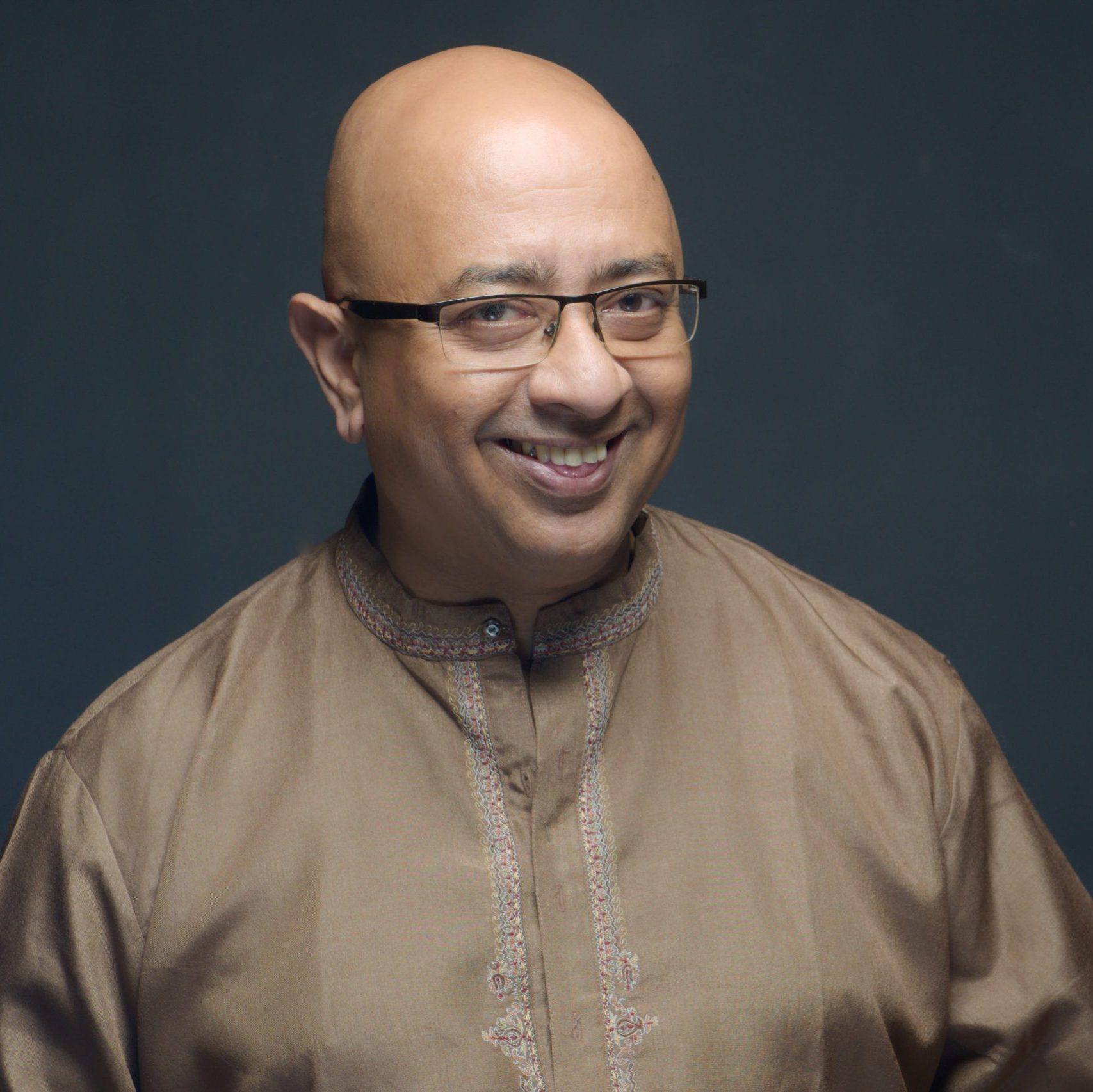
Dr. Rajshekar Krishnan
Independent Researcher
-
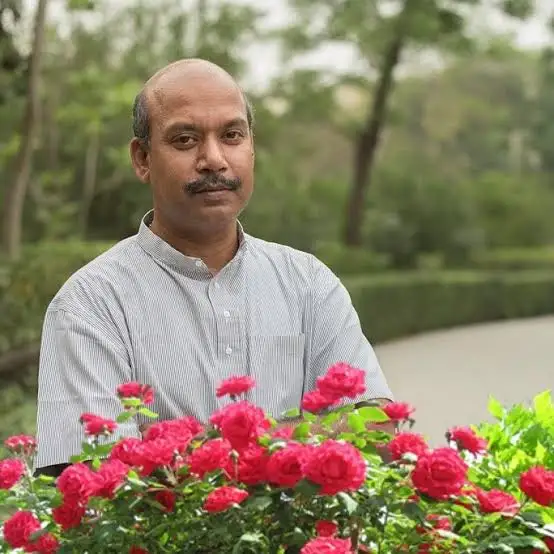
Dr. Sampadananda Mishra
Founding Director - Centre for Human Sciences, Rishihood University
-
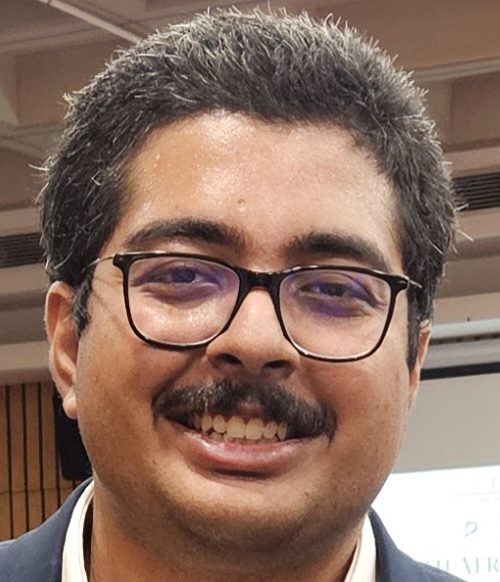
Shri. Samridh Joshi
Head of Research, India House, New Delhi
-
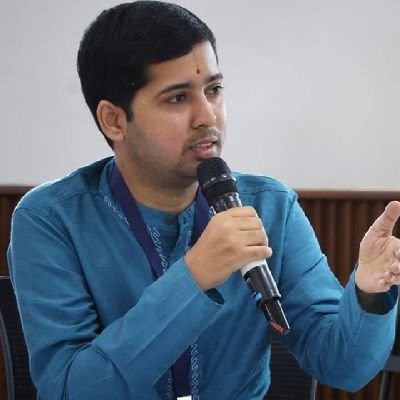
Dr. Shrinidhi S. Pyati
Assistant Professor, Poorna Prajna Samshoshana Mandiram
-
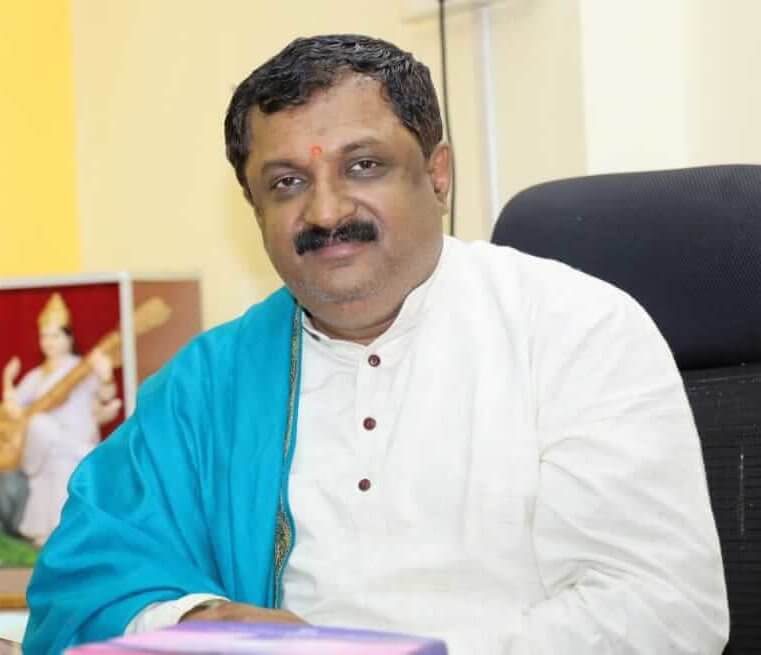
Prof. Shrinivasa Varakhedi
Honourable Vice Chancellor, Central Sanskrit University
-
Shri. Sriram Balasubramanian
Economist, Best Selling Author of Dharmanomics
-
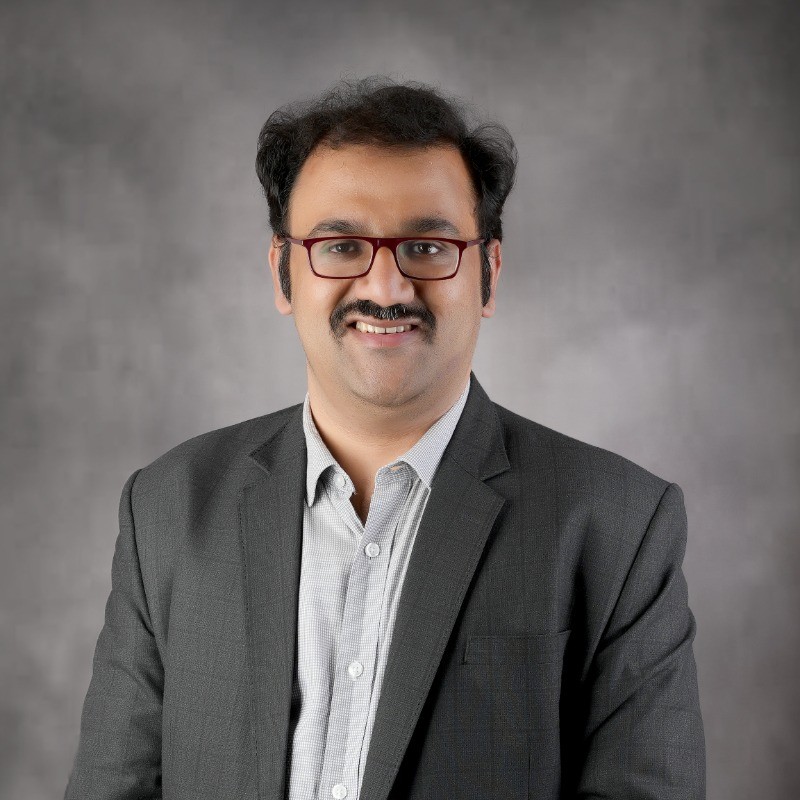
Dr. Subramanian Chidambaran
Strategy and Sustainability Leader
-
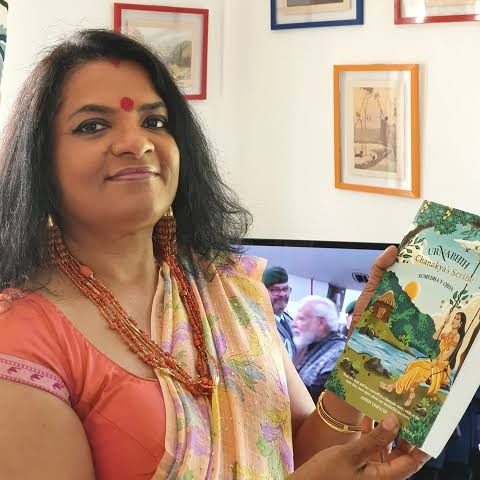
Sushri. Sumedha Verma Ojha
Historian, Author, Speaker, IRS (Retd), UN Consultant Geneva
-
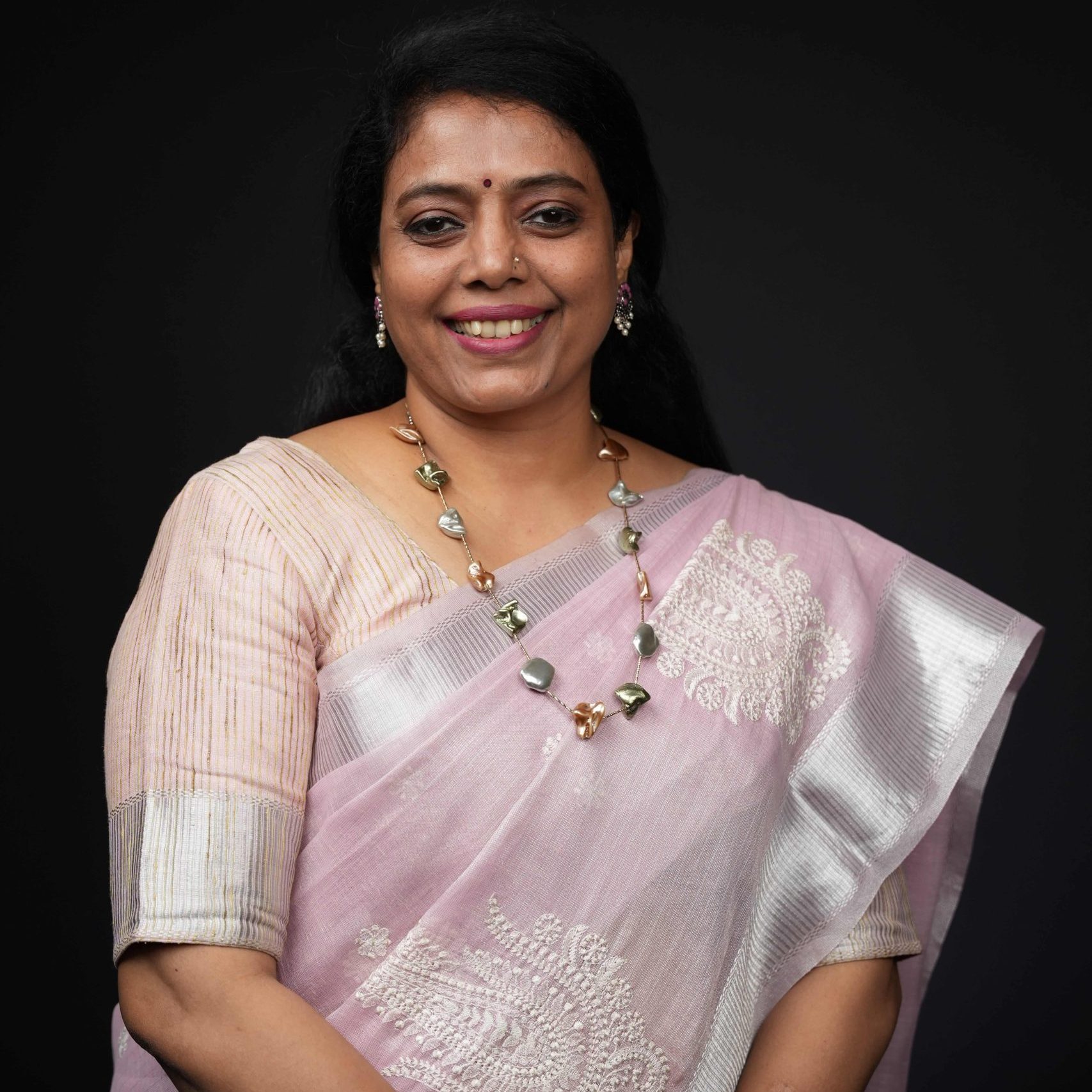
Sushri. Surekha Radhakrishnan Pillai
Director - Atmadarshan Pvt Ltd
-
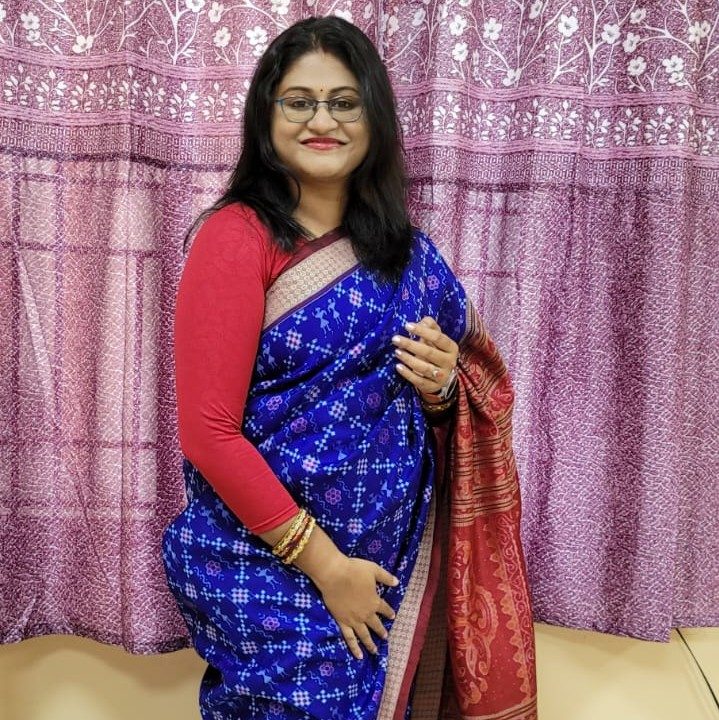
Dr. Sushree Sasmita Pati
Assistant Professor, Gangadhar Meher University, Sambhalpur
-
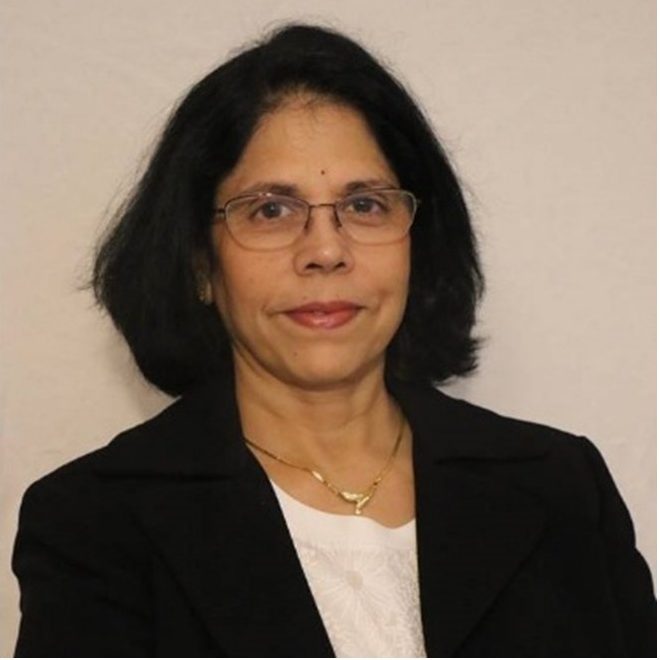
Dr. Vasantha Reddi
Founder, Svadharma Circles
-
Shri. Venkatesh Rangan
Independent Researcher
-
Shri. Venky Ramachandran
Founder, Krishi.System
-
Shri. Vijay S. Laghate
Independent Researcher
-

Shri. Vinay Kulkarni
Founder & CEO, ALCHMI Strategy Consulting
-
Dr. Vinayak Rajat Bhat
Senior Subject Matter Expert, Vyoma Linguistics Labs Foundation
-
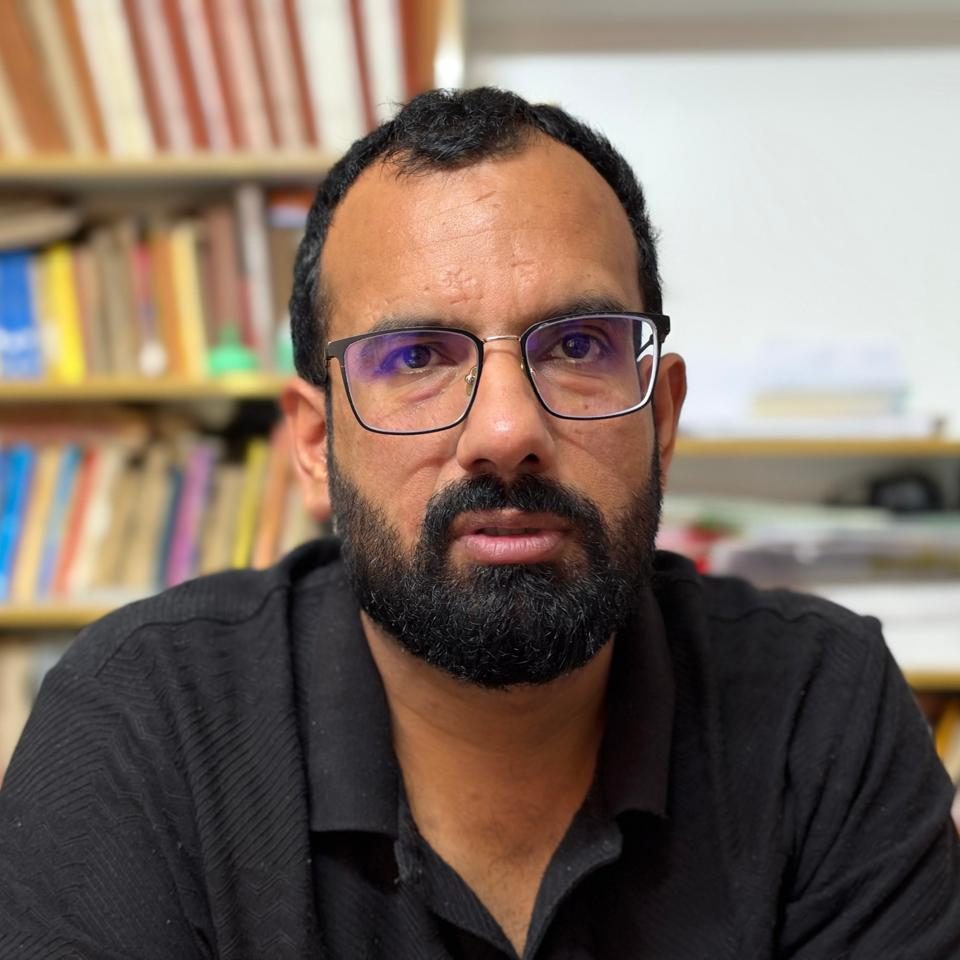
Dr. Vivek Sharma
Asst. Professor - Government College Solan, Himachal Pradesh
-
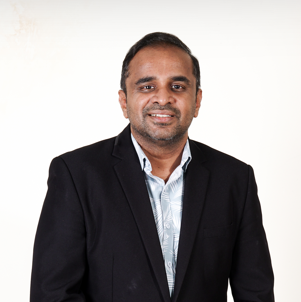
Dr. Venoth Rex
Senior Lecturer, INTI International University-Malaysia
-
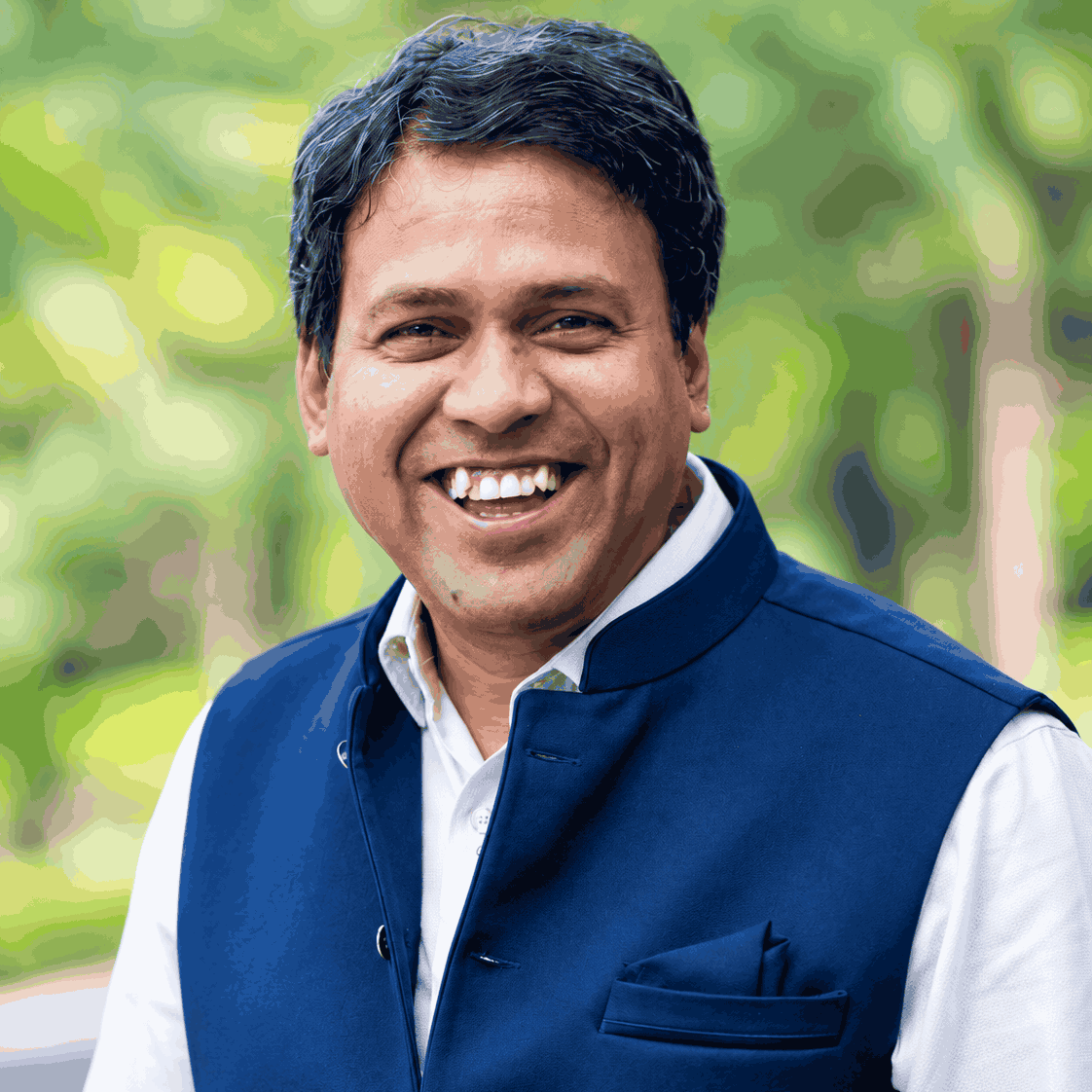
Shri. Rajesh Kamath
Founder - Chanakya Consulting Insights
-
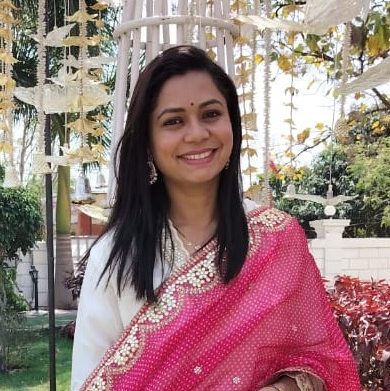
Dr. Ashwini Shelke Tarale
Former Head of HR - Aster Technologies
-
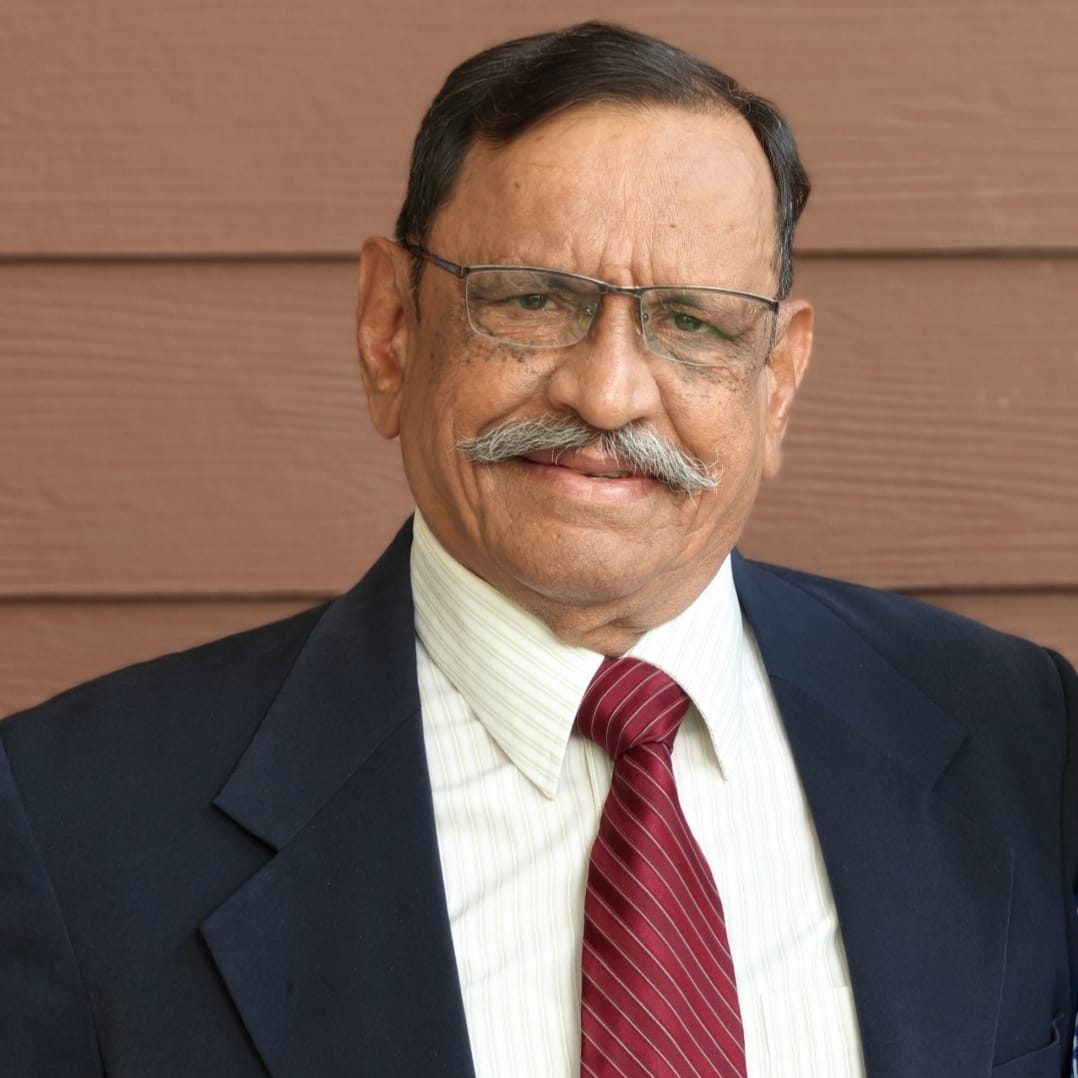
Veteran Wg Cdr Vijay Dhanraj Chattur (Retd)
Indian Air Force
-
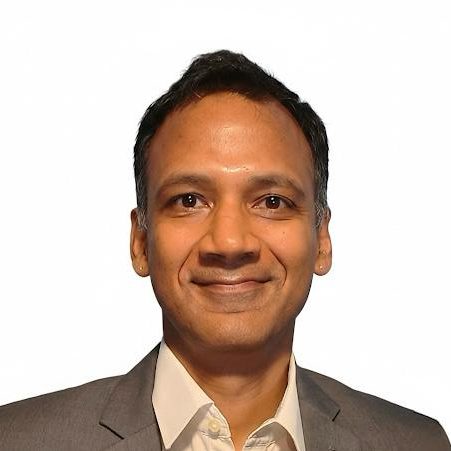
Shri. Anil Srinivas Chilla
Author, Global Leadership Practitioner
-
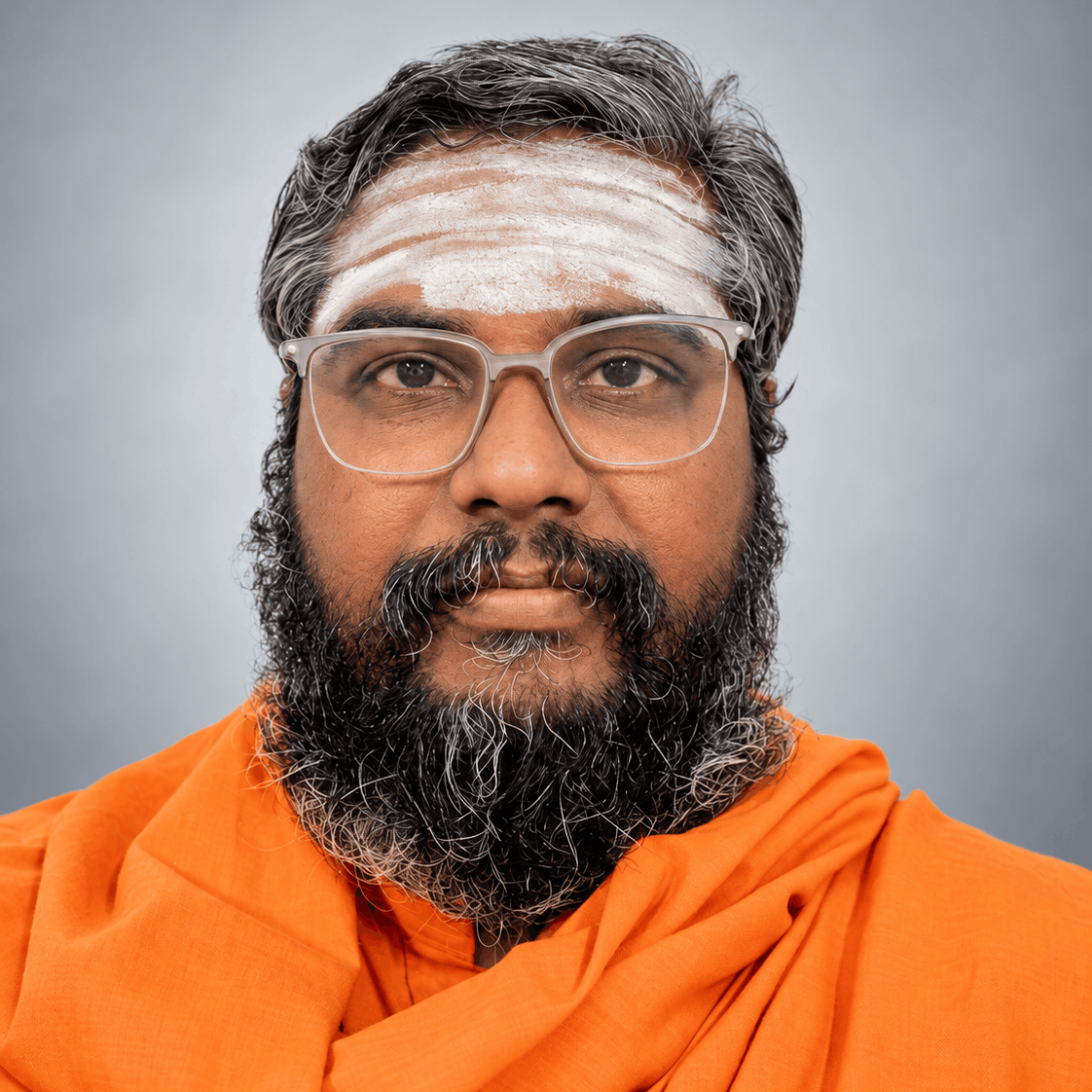
Swami Agastyananda Giri
R&D Lead, Anaadi Centre for Indic Leadership (ACIL)
About the Symposium
Rājadharma — the dharma of those who hold power and carry public responsibility — is among the oldest and most sustained conversations in India’s civilisational thought. Across Arthaśāstra and Nīti literature, the Rājadharma sections of the Itihāsa-Purāṇa, Kāvya, inscriptions and regional chronicles, the tradition reflected deeply on how decisions are made, how institutions endure, how crises are met, and who is fit to lead. That conversation is not a closed chapter of history. It is a living resource, waiting to be put to use.
In September 2025, the 43rd INDICA Online Symposium set out to widen the textual field of IKS studies in statecraft, governance and leadership beyond the prevailing focus on Kauṭilya’s Arthaśāstra — bringing Pañcatantra and Hitopadeśa, the Rājadharma sections of Itihāsa-Purāṇa, Kāvya works of royal biography, Nīti and Subhāṣita compilations, and lineage texts such as the Kāmandakīya Nītisāra and Śukranīti into focus. Those talks are available as a playlist on the INDICA YouTube channel. That symposium, alongside more than thirty engagements with State institutions, universities and public systems, led to the launch of the INDICA Kauṭilya Centre for Policy, Governance and Leadership in January 2026.
The 44th Symposium asks the question that naturally follows: what is this widened corpus for? Its organising theme is Application — moving Rājadharma from something studied to something usable. An IKS lens, as the symposium frames it, is neither retrofitting Indian texts as decorative precedent for frameworks devised elsewhere, nor treating them as historical objects that are studied but never drawn upon, nor applying them literally without contextual realignment. It lets the tradition’s own constructs — Rājadharma, Puruṣārtha, Yajña, Daṇḍa, Śāḍguṇya, Āpad — organise the inquiry, extracting first principles to create new knowledge for contemporary institutions.
Over two days, talks will trace a single arc — from text, to taxonomy, to translation, to present-day governance — across five connected subthemes:
- Taxonomy and Textual Foundations — drawing functional constructs of statecraft such as Daṇḍanīti, Śāḍguṇya, Āpaddharma and Arthanīti from prescriptive śāstra, and from the dramatised narratives of Itihāsa-Purāṇa and Kāvya alike.
- Historical Practice — how these constructs fared in lived polities, as seen in inscriptions, administrative records and regional dynastic accounts — including where statecraft broke down.
- Conceptual Translation — mapping constructs such as Amātya, Śāḍguṇya and Kośa onto modern offices, doctrines and policy, noting differences as carefully as correspondences.
- Contemporary Application and Institutional Design — reading present-day paradigms such as cooperative federalism, decentralisation, crisis response and diplomacy through the tradition’s lens, and proposing frameworks of our own.
- Pedagogy and Mainstreaming — carrying this arc into the education and training of administrators, policy students and institutional leaders.
Policy, Governance, and Leadership — the Centre’s own name — are the three registers into which Rājadharma’s applied constructs resolve: policy drawing on nīti and Puruṣārtha, governance on Yajña as coordinated and sustained action, and leadership on Svadharma and Svakarma. The symposium is the Centre’s founding mandate carried forward.
Who Should Register
The symposium is open to all Indics who think about, practise, or teach in the fields of policy, governance, leadership, management, and public and institutional culture, including:
- Civil servants, public administrators and those working in State institutions
- Policy researchers, analysts and think-tank professionals
- Managers, entrepreneurs and leaders shaping organisational and institutional culture
- Academics and students of public policy, management, the social sciences and the humanities
- Anyone who wishes to see how India’s own knowledge traditions can speak to contemporary institutions
The INDICA Kauṭilya Centre invites you to join us for the 44th INDICA Online Symposium, Rājadharma Applied: IKS Lens for Policy, Governance, and Leadership, held in memory of Arthashastra Expert Dr. Radhakrishnan Pillai on 24–25 October 2026.
To read the complete symposium note, including the background and a detailed account of each subtheme, visit the original announcement.
Speakers
Scholars, thinkers, governance practitioners, public leaders and management professionals
Speakers consist of distinguished luminaries from governance, management, policy design, public and corporate leadership, and scholars who have been selected through an open call for abstracts.
Schedule
Day 1 (Sat, 24 Oct 2026)
| Time | Topic | Speaker | Presentation Type |
| 09:00 AM | Svāgatam – Welcome to the Symposium | Shri. Shivakumar GV Director – INDICA Kauṭilya Centre |
Curator’s Welcome |
| 09:05 AM | Remembering Dr. Radhakrishnan Pillai – A Personal Note | Shri. Hari Vadlamani Founder – INDICA, NICE, coHari |
Founder’s Note |
| 09:10 AM | Book Release: Arthaśāstra – The Art of Leadership by Dr. Radhakrishnan Pillai | Sushri. Surekha Radhakrishnan Pillai Director – Atmadarshan Pvt Ltd |
Book Launch |
| 09:20 AM | Dr. Radhakrishnan Pillai – A Śraddhāñjali from INDICA Kauṭilya Centre | Shri. Shivakumar GV Director – INDICA Kauṭilya Centre |
A Memorial Tribute |
| 09:30 AM | The Importance of Rājadharma | Prof. Dr. Shrinivasa Varakhedi Honourable Vice Chancellor -Central Sanskrit University |
Inaugural Keynote |
| 10:00 AM | Rājadharma Applied: An IKS Lens for Policy, Governance, Leadership | Shri. Shivakumar GV Director – INDICA Kauṭilya Centre |
Symposium Introduction |
| 10:30 AM | Environmental Sustainability: Lessons from Kauṭilya’s Arthaśāstra | Dr. Abhoy K Ojha Professor (OB & HRM), IIMB (Retd) |
Distinguished Talk |
| 11:00 AM | Lessons from Arthaśāstra for corporate top management teams’. | Dr. Subramanian Chidambaran Strategy and Sustainability Leader |
Special Talk |
| 11:30 AM | Mantra and Deliberative Governance: Daśaratha’s Pariṣad | Shri. Garikapati Pavan Kumar Independent Researcher – IKS |
Symposium Talk |
| 12:00 PM | Conceptualizing Rajdharma within Democratic Frameworks: The Possibilities and Limits of Alignment | Prof. Deepti Acharya Professor – Political Science, MSU Baroda |
Symposium Talk |
| 12:30 PM | Book Conversation: Sāma, Dāma, Danda, Bheda: Ancient Indian Wisdom for Strategy, Leadership, Power & Statecraft |
Sushri. Ami Ganatra Author, Speaker, IKS Researcher |
Book Conversation |
| 01:00 PM | Lunch | ||
| 02:00 PM | Power as Visualised by Kauṭilya and the Seminal European Post-Modernist M. Foucault; Retooling Global State Power Indices | Sushri. Sumedha Verma Ojha Historian, Author, Speaker, IRS (Retd) UN Consultant Geneva |
Distinguished Talk |
| 02:30 PM | Rājadharma Applied: The Rāmāyaṇa Guide to Building Strong Teams | Shri. Anil Srinivas Chilla Author, Global Leadership Practitioner |
Special Talk |
| 03:00 PM | Subhāṣita-s from the Panchatantra Applied to Various Events | Shri. Vijay S Laghate Independent Researcher |
Symposium Talk |
| 03:30 PM | Enduring Principles, Altered Conditions: The Semitic Encounter and A Reimagination of Rajadharma | Dr. Arjun Anand Associate Editor, The Long Memory |
Symposium Talk |
| 04:00 PM | Rājadharma in Practice: Translating Kauṭilyan Principles into the Contemporary Organization (An Exploratory Case from Aster Technologies) |
Shri. Rajesh Kamath Founder – Chanakya Consulting Insights & Dr. Ashwini ShelkeFormer Head of HR – Aster Technologies |
Symposium Talk |
| 04:30 PM | Statecraft, Duty, and Imperial Decline: A Comparative Study of Vidura Nīti and Marcus Aurelius’ Meditations | Dr. Rajshekar Krishnan Independent Researcher |
Symposium Talk |
| 05:00 PM | Daṇḍanīti in Laghu Arhanīti: Reconstructing Jain Principles of Statecraft | Dr. Sushree Sasmita Pati Assistant Professor, Gangadhar Meher University, Sambhalpur |
Symposium Talk |
| 05:30 PM | The Application of Rājadharma to Empire Building and Governance in the Trans-Himalayas (Case study of the Ruling Philosophy of Sengge Namgyal (1616-1623 CE) of Ladakh) |
Shri. Venkatesh Rangan Independent Researcher |
Symposium Talk |
| 06:00 PM | Rājadharma Perspective of Arthaśāstra | Shri. Jayesh Prabhulal Solanki Visiting Faculty-Chanakya International Institute of Leadership Studies |
Symposium Talk |
| 06:30 PM | From Rājadharma to Svadharma: Reimagining Parenting as Dharmic Leadership | Sushri. Vasantha Reddi Founder, Svadharma Circles |
Symposium Talk |
| 07:00 PM | Three Remarkable Queens who taught Rājadharma | Sushri. Manjula Tekal Author, Independent Researcher |
Symposium Talk |
| 07:30 PM | From Svarājya to Good Governance: Exploring Rājadharma through Ājñāpatra | Sushri. Varsha Pargat Author, Independent Researcher |
Symposium Talk |
| 08:00 PM | Beyond the coercive power of the State: A Study into the Dynamism of the FOUR UPĀYAS for Contemporary Governance | Shri. Nakul Sharma Doctoral Scholar, NLU Delhi |
Symposium Talk |
Day 2 (Sun, 25 Oct 2026)
| Time | Topic | Speaker | Presentation Type |
| 09:00 AM | Reflections on Rājadharma – An Experience Speak | Dr. Karanam Aravinda Rao IPS, DGP (Retd), United Andhra Pradesh |
Day-2 Keynote |
| 09:20 AM | Yogakṣema – The Oldest Promise a Government Makes | Shri. Pranav Patel Dean – Indian Institute of Democratic Leadership (IIDL) |
Special Talk |
| 09:50 AM | Rājadharma: Perspectives from Shri. Aurobindo, Swami Vivekananda and Shri. Deendayal Upadhyaya | Dr. Sampadananda Mishra Founding Director – Centre for Human Sciences, Rishihood University |
A Conversation |
| 10:10 AM | Rāṣṭra-Śarīra, The Body of the Nation: Rājadharma as Systems Thinking | Shri. Vinay Kulkarni Founder & CEO, ALCHMI Strategy Consulting |
Special Talk |
| 10:40 AM | Rājadharma: Life and Legacy of the Last Mysore King HH Jayachamarajendra Wadiyar | Dr. Deepti Navaratna TV Raman Chair Professor, NIAS – Bengaluru |
Special Talk |
| 11:10 AM | Anvikṣikī: From Critical Thinking to Wise Decisions | Dr. Vinayak Rajat Bhat Senior Subject Matter Expert, Vyoma Linguistics Labs Foundation |
Symposium Talk |
| 11:40 AM | Methodological Approach to Rājadharma: Manusmṛti, Kirātārjunīyam, and Modern Application | Dr. Vivek Sharma Asst. Professor – Government College Solan, Himachal Pradesh |
Symposium Talk |
| 12:10 PM | Examining Indic Perspectives in Policy: A Study of Daiśika Śāstra | Shri. Samridha Joshi Head of Research, India House, New Delhi |
Symposium Talk |
| 12:40 PM | Rājadharma, Institutional Theory and Jananayaka Culture | Shri. Raghava Krishna CEO – Brhat |
Guest Talk |
| 01:10 PM | Book Conversation: Rājadharma Sārasaṅgraha | Dr. Shrinidhi R Pyaati Assistant Professor, Poorna Prajna Samshoshana Mandiram |
Book Conversation |
| 01:20 PM | Lunch | ||
| 02:00 PM | Operationalizing Kauṭilyan Tantrayukti as an Operating System for Project Management | Wg Cdr Vijay Chattur (Retd) Indian Air Force |
Symposium Talk |
| 02:30 PM | Vidura Nīti for Contemporary Organisations and the AI World | Shri. Nigamanth Srivatsan Leadership Coach, ACIL & Swami Agastyananda Giri R&D Lead, Anaadi Centre for Indic Leadership (ACIL) |
Symposium Talk |
| 03:00 PM | Yogakṣema for Regenerative Transition | Shri. Venky Ramachandran Founder, Krishi.System |
Symposium Talk |
| 03:30 PM | Who Governs the King? Counsel, State Capacity and Institutional Rājadharma in Someśvara III’s Mānasollāsa | Shri. Devamalya De Independent Researcher, IIT Hyderabad Alumnus |
Symposium Talk |
| 04:00 PM | Cultural Norms and Institutional Efficacy: A Perspective from Dharma based Economic Frameworks | Shri. Sriram Balasubramanian Economist, Best Selling Author of Dharmanomics |
Special Talk |
| 04:30 PM | From Ancient Text to Contemporary Leadership: A Hermeneutic Reinterpretation of Kautilya’s Arthaśāstra | Dr. Venoth Rex Senior Lecturer, INTI International University-Malaysia |
Symposium Talk |
| 05:00 PM | Arthaśāstra in the Buddhist Tradition: Ethics, Statecraft, and the Reinterpretation of Political Power | Dr. Kamini Gogri Project Consultant & Researcher, SOAS, Centre of Jaina Studies, University of London |
Symposium Talk |
| 05:30 PM | Indic Diplomatic Thought: Rājanaya, Ṣāḍguṇya and the IKS Approach to Interstate Relations | Dr. Bharti Chhibber Professor, University of Delhi |
Symposium Talk |
| 6-00 PM | Re-reading Yogakṣema as a Framework for Attainment, Preservation, Justice and Capability | Dr. Pinku Jha Asst. Prof. – Policitical Science, Faculty of Arts, MSU Baroda |
Symposium Talk |
| 6:30 PM | Symposium Way Forward Note: Arthashastra – A Vision for the Future | Dr. B Mahadevan Professor of Operations Management – IIMB (Retd) |
Closure Keynote |
Profiles
Dr. Radhakrishnan Pillai
In Memoriam
Dr. Radhakrishnan Pillai (1974–2026) was a renowned Indian author, educator, leadership mentor, and management thinker, best known for bringing the timeless wisdom of Kauṭilya’s Arthaśāstra and Chanakya into modern business, leadership, and everyday life.
He held a PhD in Kautilya’s Arthaśāstra from the University of Mumbai and served as Director of the Chanakya International Institute of Leadership Studies (CIILS), University of Mumbai. He also lectured at the Hindu University of America and addressed audiences across leading academic, corporate, and institutional platforms.
A national bestselling author, Dr. Pillai wrote 24 books, including Corporate Chanakya, Chanakya in You, Chanakya’s 7 Secrets of Leadership, Inside Chanakya’s Mind, Katha Chanakya, Chanakya in Daily Life and Chanakya’s 100 Best Sutras. His final book, The Arthashastra: The Leadership Way, brought together his years of research and interpretation of Kautilya’s timeless principles of leadership and governance. His books have been translated into multiple Indian languages and have reached a wide readership.
His contributions earned him several prestigious honours, including the Sardar Patel International Award, Aavishkar Chanakya Innovation Research Award and Lokmat National Education Leadership Award. He was also recognised by Thinkers50 among the Top 30 Indian Management Thinkers globally, along with many other honours and recognitions.
Through his books, research, lectures and teachings, Dr. Pillai created a lasting bridge between ancient Indian wisdom and modern leadership. His legacy lives on through his 25 books, students, readers, and the institutions and initiatives inspired by his vision.
Dr. Radhakrishnan Pillai passed away in Mangaluru in 2026 at the age of 51.
Shri. Shivakumar GV
Director - INDICA Kauṭilya Centre
Shivakumar GV is Director of the INDICA Kauṭilya Centre for Policy, Governance and Leadership, and curator of this Symposium. The Centre’s mission is to bring Indian Knowledge Systems into policy, governance and leadership, drawing on textual, practitioner-led and lived traditions. His research develops civilisational frameworks from IKS, rooted in Rājadharma and Puruṣārtha, for institutions and communities. He has designed and delivered IKS programmes on leadership, management, governance, ethics, statecraft and public service, including at Civil Services Training Institutes, along with Mahābhārata courses for leaders and children. A consulting editor for Indica Today, he has written over 100 articles on Rājadharma and civilisational studies, designed the INDICA IKS MetaRetreats and the IKS Changemakers Podcast, and is writing a book reading Mahābhārata stories through Puruṣārtha. He holds an M.Tech from IIT Bombay and a B.E. from NIT Surat, and spent over 25 years in the IT industry, 16 of them in Learning and Development.
Shri. Hari Vadlamani
Founder - INDICA, NICE, coHari
Shri. Hari Vadlamani is a Chartered Accountant by training. He moved from practice and boutique investment banking into the power sector as consultant, developer and investment manager, managing India’s first power sector fund. After a 2007 exit from a company he co-founded, he developed wind energy, exiting in 2011, and explored coal mining in Australia, Indonesia and South Africa, turning to social entrepreneurship in 2015. After eleven years in Indian Knowledge Systems, founding INDICA, NICE and coHari and seeding several initiatives, he is returning to the corporate world as advisor, mentor and, eventually, entrepreneur. He now earns only to give: he will give away his wealth in his lifetime, to die with an empty balance, and consciously earns more to give back more, fulfilling his Swadharma, offering all actions as Naivedyam to Bhagwan and accepting outcomes as Prasadam. Grateful to his family and co-travellers, he remains a strategic advisor to these institutions as they transform IKS Education and Cultural Entrepreneurship.
Prof. Abhoy K. Ojha
Professor (OB & HRM), IIMB (Retd)
Prof. Abhoy K. Ojha served for 29 years in the Organisational Behaviour and Human Resources Management area at IIM Bangalore, retiring at the end of 2025. He holds a BTech in Mechanical Engineering from IIT Kanpur, a Postgraduate Diploma in Administrative Management from the University of Mumbai and a PhD in Organisational Analysis from the University of Alberta. He worked as an engineer with ONGC before turning to academia, and taught at the University of Alberta and at Laurentian University in Canada. His interests include organisational effectiveness and performance, quality management, the management of technology and innovation, and organisational demography. At IIMB, he taught courses ranging from Organisational Theory and the Philosophy of Social Science to Enlightened Leadership for Responsible Business, and served as Dean (Programmes), as chair of several programmes, and as chair of the Institute’s Golden Jubilee Committee. At this Symposium, he draws on Kauṭilya’s Arthaśāstra for lessons in environmental sustainability.
Sushri. Ami Ganatra
Author, Speaker, IKS Researcher
Ami Ganatra is a bestselling author and speaker who devotes herself full-time to the study and sharing of the Indic wisdom traditions. An alumna of VJTI, Mumbai, and IIM Ahmedabad, she spent fifteen years as a business strategist and management consultant with organisations including Infosys, Bain, BASF and Bridgespan. Her books on the Itihāsa have found a wide readership: Maha-bharata Unravelled: Lesser Known Facets of a Well-known History, Mahabha-rata Unravelled II: The Dharma Discourses, and Ramayana Unravelled: Lesser Known Facets of Rishi Valmiki’s Epic. A devoted yoga practitioner and certi-fied yoga instructor, and a student of Sanskrit and Indian Knowledge Systems, she has spoken at TEDx and on many podcasts. She has taught and conducted workshops on Yoga, Itihāsa and Indic knowledge for students and working pro-fessionals at VJTI, IIM Ahmedabad, the IITs, the University of Hong Kong, Carnegie Mellon University, Georgia Tech and the University of Texas at Dal-las, among others.
Dr. Arjun Anand
Associate Editor, The Long Memory
Dr. Arjun Anand hails from Dharamshala, Himachal Pradesh, and has been an active student activist since 2014, notably contesting the post of General Secre-tary in the JNU Students’ Union election of 2023–24. He holds a PhD from Jawaharlal Nehru University. A former UGC Senior Research Fellow, he has qualified the UGC-NET in both Political Science and International and Area Studies. His research focuses on Indian intellectual history, epistemology, the Itihāsa-Purāṇa traditions and Hindi literature. He participated in the Interna-tional Youth Delegation to China in June 2016. He has presented his work in-ternationally and has been published in peer-reviewed journals such as Tattva-Sindhu. He has also published three book chapters, writes as a regular column-ist, and has led initiatives such as the Vālmīki Study Circle at JNU and the SHoDH Foundation. Based in Noida, he is currently the co-founder and asso-ciate editor of ‘The Long Memory’ project.
Prof. B. Mahadevan
Professor of Operations Management IIMB (Retd)
Prof. B. Mahadevan taught Production and Operations Management at IIM Bangalore from 1992 until his retirement in 2024, after more than three decades of teaching, research, consulting and academic administration that also includ-ed IIT Delhi and XLRI Jamshedpur. He holds a BE in Production Engineering from the College of Engineering, Guindy, and an MTech and a PhD from IIT Madras. He was the founder Vice-Chancellor of Chinmaya Vishwa Vidyapeeth, a university for applied Sanskrit and Indian wisdom, and serves on the boards of IIT Madras, Chanakya University and Chinmaya Vishwa Vidyapeeth. His re-search applies ancient Indian wisdom to contemporary concerns, including spirituality in the workplace and management paradigms from the Bhagavad Gītā. He co-authored Introduction to Indian Knowledge Systems: Concepts and Applications, widely used in IKS teaching, and his textbook Operations Management: Theory and Practice is a standard text. He received the Viśiṣṭa Saṃskṛta Sevāvratī Sammān from the Rashtriya Sanskrit Sansthan in 2016
Dr. Bharti Chhibber
Professor, University of Delhi
Dr. Bharti Chhibber teaches at the University of Delhi. A well-known author, socio-political analyst and environmentalist, she has for many years worked, written, mentored and spoken extensively, in India and abroad, across a wide range of areas: Indic thought, international relations, peace-building, security studies, historical studies, electoral democracy, gender, culture, indigenous knowledge systems and environmental studies. She has more than 200 publications to her credit, including books, research papers and articles. She is regularly invited as an expert for interviews and discussions in electronic and print media, for international conferences, and for the capacity-building training of educators and professionals from different countries. Dr. Chhibber has received several international and national awards, including the Sustainability International Award 2025, the Indo-Pacific Outstanding Political Scientist Award 2022 and the International Distinguished Scientist Award 2021. She serves on the advisory boards of several organisations and is the honorary National Coordinator for Sustainability Education, India.
Prof. Deepti Acharya
Professor - Political Science, MSU Baroda
Dr. Deepti Acharya is a Professor in the Department of Political Science, Facul-ty of Arts, at The Maharaja Sayajirao University of Baroda, Vadodara. Over the past twenty years, she has published several articles on subjects including rights, democracy, research methodology, water justice and public policy. Her book on water policies in India and the right to water was published by Routledge (New York and London) in 2021. At this Symposium, her talk critically examines the conceptual similarities and differences between Rājadharma, the traditional Indian framework of duty and ethical governance, and the institutional princi-ples of modern liberal democracy. Drawing on the Mahābhārata and the Manusmṛti, the talk compares the notions of governance found in each, weighs the possibilities and limits of aligning the two frameworks, and argues that such an alignment is necessary for achieving ideal governance.
Dr. Deepti Navaratna
TV Raman Chair Professor, NIAS - Bengaluru
Dr. Deepti Navaratna is a neuroscientist, musician and cultural leader who holds the T. V. Raman Pai Chair Professorship at the National Institute of Advanced Studies (NIAS), Bengaluru. She holds a doctorate in neuroscience and spent several years in neuroscience research at Harvard Medical School. Her work spans cognitive hermeneutics, neuropsychology and empirical musicology, and in 2018 she founded the Raaga Laboratory to study Indian music from neuroscientific and cultural perspectives. As Regional Director of the Indira Gandhi National Centre for the Arts, Bengaluru, she led its research, academic and outreach work on Indian knowledge systems, curating over a thousand events, establishing a Post Graduate Diploma in Manuscriptology and Palaeography, and leading the documentation of vanishing art forms. She has authored more than twenty research papers and chapters, and the biography The Maverick Maharaja: The Life and Times of Maharaja Jayachamarajendra Wadiyar (HarperCollins, 2022). She was a Chevening Clore Fellow from 2021 to 2023.
Shri. Devamalya De
Independent Researcher, IIT Hyderabad Alumnus
Devamalya De is an engineer, construction professional, independent researcher and author with over two decades of experience in the construction and infra-structure industry, including senior leadership roles in India and the Middle East. He holds a degree in Civil Engineering, an MBA from IIM Kozhikode and an M.Tech. in Heritage Science and Technology from IIT Hyderabad. His re-search interests lie at the intersection of Indic knowledge systems, history, ar-chitecture, governance and contemporary management, and he is particularly interested in how ideas preserved in ancient Indian texts can inform present-day institutions, leadership and decision-making. With a keen interest in India’s literary and philosophical traditions, he writes on history, mythology, heritage and the enduring relevance of classical Indian thought. At this Symposium, he examines Rājadharma as an architecture of governance in Someśvara III’s twelfth-century Mānasollāsa, asking how institutions can make good rule more likely when good intentions alone are not enough.
Shri. Garikapati Pavan Kumar
Independent Researcher - IKS
Garikapati Pavan Kumar is an independent researcher of Bhāratīya Jñāna Paramparā, with interests spanning the Veda, the Vedāṅgas, the Ṣaḍ-Darśanas, the applied Śāstras, the Itihāsa-Purāṇas and the nīti traditions. His work examines Indian knowledge systems as integrated frameworks of inquiry, transmission, validation and application. He holds a B.Tech. in Mechanical Engineering, an M.Tech. in Manufacturing and a postgraduate degree in Industrial Engineering. His research and essays have appeared in Indica Today and Pragyata, with further scholarly work available through PhilPapers and Zenodo. His current research explores the Vedāṅgas as an oral architecture of knowledge and the application of Itihāsa to questions of Dharma, statesmanship and governance. For this Symposium, he analyses deliberative governance in the Vālmīki Rāmāyaṇa through a Mantra–Mantrāṅga architecture informed by Kauṭilya’s Arthaśāstra, examining instances of mantraṇā across the Itihāsa, with a focus on Daśaratha’s Pariṣad and the deliberations surrounding Rāma’s Yauvarājyābhiṣeka in the context of Dharma and prajā-pālana.
Shri. Jayesh Prabhulal Solanki
Visiting Faculty, Chanakya International Institute of Leadership Studies
Jayesh Prabhulal Solanki’s fascination with Cāṇakya, the ancient Indian pioneer of management principles, set him on a sustained journey of studying and applying his teachings. This pursuit led him to undertake an extensive research programme on Kauṭilya’s Arthaśāstra, the renowned treatise on statecraft and management traditionally dated to the fourth century BCE, offered by the University of Mumbai and guided by the late Dr. Radhakrishnan Pillai, in whose memory this Symposium is held. Committed to disseminating this timeless wisdom through contemporary channels for the greater good, he is part of an organisation dedicated to advancing Indian management concepts, business strategies and related principles for the modern corporate environment. His work focuses on translating Kauṭilyan insights into practical guidance for leaders, managers and organisations today.
Dr. Kamini Gogri
Project Consultant & Researcher, SOAS, Centre of Jaina Studies, University of London
Dr. Kamini Vrajlal Gogri holds a doctorate in philosophy and brings extensive academic experience from her years as a university faculty member teaching classical Indian philosophy, including Buddhism, Sāṃkhya, Nyāya and Tantra. She is currently a Project Consultant with the Centre for Jaina Studies at SOAS, University of London. Her scholarly focus is comparative philosophy, phenomenology and the Indian traditions, and her postdoctoral research ex-plores the intersections of Husserlian phenomenology and Jaina theories of con-sciousness. An active researcher and author, she bridges ancient textual tradi-tions and modern critical frameworks, with studies in Sanskrit poetics, manu-script culture and historical prosopography. She has presented at international conferences and engaged closely with classical texts such as Hemacandra’s Kāvyānuśāsana and the works of Kundakunda. At this Symposium, she exam-ines how Buddhist sources rearticulate statecraft, subjecting wealth, authority and punishment to a normative framework grounded in dhamma, and proposes the concept of ethical statecraft.
Dr. Karanam Aravinda Rao
IPS, DGP (Retd), United Andhra Pradesh
Dr. Karanam Aravinda Rao is a former Indian Police Service officer of the 1977 batch who served as Director General of Police of undivided Andhra Pradesh in 2010–11. Over a distinguished career, he was Superintendent of Police in five districts, Commissioner of Police, Vijayawada, DIG of the Greyhounds, head of State Intelligence and the CID, and Director General of the Anti-Corruption Bureau. Drawn to the Upaniṣads, he began studying Sanskrit in 1994 and went on to complete an MA and a PhD in Sanskrit; he has been honoured with the title Vācaspati by the Rashtriya Sanskrit Vidyapeetha. Since retirement, he has devoted himself to teaching the Bhagavad Gītā, the Upaniṣads and Advaita Vedānta, with a focus on the commentaries of Śaṅkarācārya. He is a trustee of the Advaita Academy, and his books include A Guide to Bhagavad Gita, How to Tell Hinduism to Your Child and Motivational Verses from Sanskrit Texts.
Sushri. Manjula Tekal
Author, Independent Researcher
Manjula Tekal delights in making sense of stories separated by time, place and cultural context. What began as curiosity about these stories led her from a corporate career to a life devoted to writing that explores mythology, history and the Indic traditions, bringing forgotten lore and worlds vividly back to life. Her highly acclaimed novel is inspired by an episode from the Mahābhārata set in pre-Ṛgvedic times. Her translations include Dr. Babu Krishnamurthy’s Azad, the Invincible; Jagmohan’s My Frozen Turbulence in Kashmir; Savarkar’s Gomantak and The Moplah; and Vikram Sampath’s Savarkar and Tipu Sultan. Her essays and commentaries have appeared in Indica Today and the Verandah Club. She holds master’s degrees in engineering and management from IIM Bangalore and the University of Illinois Urbana-Champaign, and lives in Champaign, Illinois. At this Symposium, she presents three queens of the Itihāsa-Purāṇa tradition, Vidulā, Cūḍālā and Madālasā, as teachers of Rājadharma.
Shri. Nakul Sharma
Doctoral Scholar, NLU Delhi
Nakul Sharma is a Ph.D. scholar in Law at National Law University Delhi and an advocate practising before the Delhi High Court. His research lies at the intersection of Indian Knowledge Systems, jurisprudence, constitutional theory and the classical Indian traditions of law and governance. He is particularly in-terested in Rājadharma as set out in the Dharmaśāstras and Kauṭilya’s Arthaśās-tra, with a focus on the normative foundations of political authority, ethical governance and the exercise of state power. His paper at this Symposium ex-plores the contemporary relevance of the classical framework of the four upāyas, sāma, dāna, bheda and daṇḍa, for governance, conflict resolution and the grad-uated exercise of authority. He holds the Kovida diploma in Sanskrit from Sam-skrita Bharati and has completed a certificate course in Ancient Indian Law from INDICA. Through this work, he examines the continuing relevance of indigenous jurisprudential thought to contemporary law, statecraft and public life.
Shri. Nigamanth Srivatsan
Leadership Coach, ACIL R&D Lead, Anaadi Centre for Indic Leadership (ACIL)
Nigamanth Srivatsan is a Leadership Coach at the Anaadi Center for Indic Leadership (ACIL), where he works on bringing Indian Knowledge Systems into contemporary leadership and organisational practice. At ACIL, he studies Indic frameworks and develops practical ways to apply them to leadership, decision-making, people development and organisations. His work is driven by the conviction that these frameworks offer deeper responses to contemporary challenges such as workplace stress, declining motivation, loss of meaning, fragmented decision-making and short-term thinking. Before this transition, Nigamanth spent over fifteen years in management consulting and enterprise technology. Most recently, he was part of the senior leadership team of an enterprise SaaS company, leading the Product, Customer Implementation and Delivery functions, and working with teams across the US, Europe, China, the Middle East and Southeast Asia. He is a co-author of the forthcoming book Vidura’s Wisdom: Indic Leadership Principles for Modern Leaders.
Dr. Pinku Jha
Asst. Prof. - Political Science Faculty of Arts, MSU Baroda
Dr. Pinku Jha is a Political Science academic whose research interests en-compass Indian Political Thought, International Relations, Indian Knowledge Systems (IKS), and global studies. He holds a Ph.D. in Political Science from The Maharaja Sayajirao University of Baroda, Vadodara. His interdisciplinary research examines the contemporary relevance of classical Indian intellectual traditions, particularly the Mahābhārata in relation to governance, welfare, justice, feminism, and foreign policy.Currently Dr. Jha is teaching Political Science at the Dept of Political Science, the Maharaja Sayajirao University of Baroda, Vadodara, Gujarat. His scholarly contribu-tions include 20+ research articles and book chapters, alongside contribu-tions to five edited books. He has presented research at numerous academic conferences across India on diverse themes in IKS, International Relations, and Political Thought. His teaching experience spans the Mahābhārata, Swami Vivekananda, Political Theory, the Indian Constitution, and Inter-national Relations. He has also conducted and contributed to Faculty De-velopment Programmes (FDPs), workshops, and academic capacity-building initiatives in collaboration with esteemed institutions. His academ-ic work seeks to advance interdisciplinary scholarship by engaging India’s intellectual traditions with contemporary political debates and global chal-lenges.
Shri. Pranav Patel
Dean - Indian Institute of Democratic Leadership (IIDL)
Pranav Patel is Dean of the Indian Institute of Democratic Leadership (IIDL), an initiative of Rambhau Mhalgi Prabodhini (RMP), where he leads academic programmes, institutional partnerships, research and external communications. A leadership developer by passion, he works at the intersection of political, pub-lic-service, corporate and academic leadership, shaping the next generation of India’s public leaders. Pranav is a recognised authority on Kauṭilya’s Arthaśās-tra, the ancient Indian treatise on governance, economic policy and statecraft. A student of the late Dr. Radhakrishnan Pillai, he draws on Kauṭilyan thought to make its timeless principles of leadership relevant to contemporary practice. His forthcoming first book, Vijigīṣu, brings this wisdom to a global audience as a guide to leadership self-development. Before joining IIDL, he served as Pro-gramme Director at the School of Ultimate Leadership (SOUL) and as Senior Executive Officer for Leadership Development at the Partha Ghosh Academy of Leadership, IIT Kharagpur.
Shri. Raghava Krishna
CEO - Bṛhat
Raghava Krishna is the Founder and CEO of Bṛhat Culture Creatives and the Bṛhat Educational Trust, which work on cultural storytelling, Indian Knowledge Systems education and leadership development. He brings over two decades of experience across game development, academia and entrepreneurship, with expertise in leading creative product teams, learning design and organisational culture. He was Development Director at Electronic Arts (EA Sports), where he led product operations for EA’s mobile game studio in Hyderabad. He went on to co-found the Rashtram School of Public Leadership, where he served as Associate Dean, helping to shape a programme for India’s future public leaders. A student of the Indian Knowledge Systems, he offers perspectives on contemporary challenges grounded in India’s civilisational worldview. His writing on Bṛhat’s journal Dhīti ranges across public discourse, cinema and social structure, including an exploration of kula, jāti, varṇa and āśrama through the principles of game design.
Dr. Rajshekar Krishnan
Independent Researcher
Dr. Rajshekar Krishnan is a seasoned coach, trainer and facilitator with 43 years of experience in training for organisational development and human perfor-mance improvement. He specialises in management and leadership develop-ment, and in executive assessment and development centres. He has worked across the engineering, hospitality, training, consultancy, IT and ITES sectors, with organisations including Union Carbide, NIIT, NIS Sparta, EMC, CA, IBM, Right Management and Flipkart. Today, as an entrepreneur, he offers leadership and organisation development services to businesses and educational institutions. He also conducts programmes based on Indian Knowledge Sys-tems, specialising in their application to leadership development.
Dr. Sampadananda Mishra
Founding Director - Centre for Human Sciences, Rishihood University
Dr. Sampadananda Mishra is a Sanskrit scholar specialising in grammar, and an editor and author in Sanskrit, Odia and English. He studied Sanskrit at Utkal University, earned an MPhil in Sanskrit grammar under Prof. V. Kutumba Sastry at Pondicherry University, and completed his doctorate at Utkal Univer-sity on Sanskrit and the evolution of human speech. For over twenty-five years, from 1995 to 2021, he was Director of the Sri Aurobindo Foundation for Indi-an Culture, Puducherry. He is now Dean (Culture) and Director of the Centre for Human Sciences at Rishihood University. He launched Divyavani, the first round-the-clock Sanskrit radio station, in 2013; founded the Samskrita Balasa-hitya Parishad for children’s literature in Sanskrit; and co-founded the Vande Mataram Library. His books include The Wonder that is Sanskrit, Sri Auro-bindo and Sanskrit, Chandovallari and Sanskrit and the Evolution of Human Speech. He received the Maharshi Bādarāyaṇa Vyāsa Samman in 2012 and the Sahitya Akademi Bal Sahitya Puraskar in 2018.
Shri. Samridh Joshi
Head of Research, India House, New Delhi
Samridh Joshi is an economist and Senior Manager of Research at India House, and an alumnus of IIT Kanpur. His work brings an economist’s lens to ques-tions of public policy, governance and India’s civilisational heritage. As a regular contributor to Swarajya, he writes on the Indian economy and policy debates, including GST reform, the lessons of the 2025 Nobel Prize in Economics for innovation in India, and the colonial-era notion of the “Hindu rate of growth”. His writing also addresses state governance and industry, public service delivery such as rural access to eye care, India’s maritime past and its prospects as a mari-time power, and the living continuity of the Vedic tradition.
Dr. Shrinidhi S. Pyati
Assistant Professor, Poorna Prajna Samshoshana Mandiram
Dr. Shrinidhi S. Pyati is Director of the Sri Vyasatirtha Samshodhana Prat-ishthanam, Mysuru, and Visiting Faculty at MIT-IIKS, Pune. A scholar of Na-vya-Nyāya, he studied at the Karnataka Samskrit University, where he earned his BA and MA in Navya-Nyāya and, in 2023, his Vidyāvāridhi (PhD) under Prof. Veeranarayana Pandurangi, with a thesis comparing Nyāya philosophy with the thought of Bertrand Russell and Ludwig Wittgenstein. He qualified the UGC-NET in 2011. He has taught at Poornaprajna Vidyapeetha, served as a Research Fellow at the Poornaprajna Samshodhana Mandiram and on the Ṣaḍdarśana Kośa project of the Central Sanskrit University, and was Principal of Sri Vyasatirtha Vidyapeetha from 2022 to 2024. His work bridges Indian and Western philosophy and Dvaita Vedānta. He has published book chapters and research articles, and received the titles Saccāstravidvān (2015) and Sutīrtha-bhūṣaṇa (2022), as well as a best paper award at the 51st All India Oriental Con-ference in 2024.
Prof. Shrinivasa Varakhedi
Honourable Vice Chancellor, Central Sanskrit University
Prof. Shrinivasa Varakhedi has been Vice-Chancellor of the Central Sanskrit University, New Delhi, since January 2022. A scholar of Navya-Nyāya, he com-pleted his post-graduate Vidvaduttama at Poornaprajna Vidyapeetha, Benga-luru, with first rank, and his Vidyāvāridhi (PhD) at the Rashtriya Sanskrit Sansthan. He began as a lecturer at Poornaprajna Vidyapeetha, taught compu-tational linguistics at the Rashtriya Sanskrit Vidyapeetha, Tirupati, and worked at the Language Technology Research Centre of IIIT Hyderabad. He later served as Director of the Sanskrit Academy, Osmania University; as Professor, Dean and acting Vice-Chancellor of the Karnataka Samskrit University; and as Vice-Chancellor of Kavikulaguru Kalidas Sanskrit University, Ramtek, from 2017 to 2022. His interests span Sanskrit pedagogy, e-repositories for Sanskrit, the research methodology of the Śāstras and the philosophy of language. He received the Maharshi Bādarāyaṇa Vyāsa Samman from the President of India in 2008, the Swami Chinmayananda Research Gold Medal in 2013, and several honorary doctorates.
Shri. Sriram Balasubramanian
Economist, Best Selling Author of Dharmanomics
Sriram Balasubramanian is an economist, author and columnist whose interests span global macroeconomics, economic history, socio-economic trends in emerging markets, and Indic and Dharmic culture. An alumnus of Columbia University, he has lived, studied and worked across three continents, and is as-sociated with the International Monetary Fund in Washington, D.C. He is the author of Kautilyanomics for Modern Times and of Dharmanomics: An Indig-enous and Sustainable Economic Model (Bloomsbury India, 2024), which pre-sents Dharma as the basis of an economic model for India and the world. His earlier books include the novel Jamba: The Joint Family, shortlisted at the Indo-American Arts Council Literary Festival, and The Wizards. As an independent columnist and commentator, he has written for Foreign Policy, the Wall Street Journal, VoxEU and CNBC-TV18, among others. He has appeared on Bloom-berg podcasts and has been interviewed by The Hindu and The New Indian Express.
Dr. Subramanian Chidambaran
Strategy and Sustainability Leader
Dr. Subramanian Chidambaran, known to many as Subbu, comes from a family of Sāmavedic scholars from Puthucode village in Palakkad, Kerala. An electrical engineer from VJTI, Mumbai, with a postgraduate degree in management from IIM Lucknow, he has spent over fifteen years in management consulting and corporate strategy, and has served as Director of Strategy for a leading multina-tional in India. Alongside his corporate career, he earned an MA in Sanskrit, specialising in Vedānta, and a Diploma in Manuscriptology from the University of Mumbai, where he has taught Vedānta, Itihāsa, Purāṇa and Bhakti as visiting faculty. His doctoral research at Chinmaya Vishwa Vidyapeeth explores Indic perspectives on modern leadership. He studied Vedic chanting formally for eight years and has trained in Carnatic music since the age of thirteen. He is the author of Śaṅkarāyaṇam: The Journey of Śaṅkara, teaches INDICA courses on Sanātana Dharma and Ādi Śaṅkara, and hosts the YouTube channel Subbu’s Corner.
Sushri. Sumedha Verma Ojha
Historian, Author, Speaker, IRS (Retd), UN Consultant Geneva
Sumedha Verma Ojha is an author, columnist and speaker who left a fourteen-year career in the Indian Revenue Service to devote herself to Sanskrit, ancient Indian history and literature. She studied Economics at Lady Shri Ram College and Sociology at the Delhi School of Economics, and is currently a PhD candidate at IIT Delhi. Her historical novel Urnabhih, set in the Mauryan period and grounded in Kauṭilya’s Arthaśāstra, was followed by Chanakya’s Scribe, as part of a series on the Mauryan Empire. She has translated the Vālmīki Rāmāyaṇa from Sanskrit into English, and works on making Sanskrit and Prakrit literature accessible to English-speaking readers and on the gendered analysis of ancient India. She sits on the Editorial Advisory Board of Indica Today, where she oversees its women’s studies vertical, and teaches the INDICA course “Thinking Like Chanakya.” She has lectured widely in India and the United States.
Sushri. Surekha Radhakrishnan Pillai
Director - Atmadarshan Pvt Ltd
Surekha Radhakrishnan Pillai is a Bharatanatyam dancer and teacher, and the wife of the late Dr. Radhakrishnan Pillai, in whose memory this Symposium is held. She has trained in Bharatanatyam for over two decades under Dr. Smt. Siri Rama, and performed her arangetram in 2002. She is a dance instructor at the Mulund branch of the Kanaka Sabha Performing Arts Centre, Mumbai. She has performed solo, lead and supporting roles in group presentations in India, Hong Kong and Singapore, including at the Natyanjali festivals of Chidam-baram, Thanjavur and Kumbakonam; in the dance drama Buddha Charita at HKUST and the Hong Kong Cultural Centre; and in the dance drama Ram Katha for the 60th anniversary of SIFAS, Singapore. She holds a Bachelor of Commerce from the University of Mumbai and a master’s degree in finance from the Alkesh Dinesh Mody Institute of Management, and is associated with Atma Darshan Cultural Discoveries, the cultural initiative founded with Dr. Pillai.
Dr. Sushree Sasmita Pati
Assistant Professor, Gangadhar Meher University, Sambhalpur
Dr. Sushree Sasmita Pati holds an M.A. in Sanskrit from Pondicherry Universi-ty, where she was awarded a gold medal for ranking first, and completed her Ph.D. in 2018. She previously served as Assistant Professor in the School of Ethics, Governance and Social Systems at Chinmaya Vishwa Vidyapeeth, and is now on the faculty of the School of Sanskrit at Gangadhar Meher University, Sambalpur, Odisha. She has completed two minor research projects, on Dāna in the Manu and Yājñavalkya Smṛtis and on Prāyaścitta in the Dharmaśāstra, and has been awarded a third, on Dāya (inheritance) and Adhikāra (rights) in mod-ern jurisprudence through the IKS framework. She has published on human rights, the Dharmasūtras, the Smṛtis and women in Sanskrit literature in UGC-CARE and peer-reviewed journals. She has authored one book and co-authored three study texts with Odia-Sanskrit commentaries, on the Meghadūta, the Yakṣapraśna, and the Kirātārjunīya and Śiśupālavadha.
Dr. Vasantha Reddi
Founder, Svadharma Circles
Dr. Vasantha Reddi is the Founder of Svadharma Circles, an educational initiative exploring how the wisdom of Sanātana Dharma can inform child development, character formation and parenting in the modern world. With a PhD in Zoology and a professional background spanning basic and clinical research, clinical research management, auditing and medical writing, she brings a scientific perspective to questions of human development and learning. She has also taught clinical research to medical students, residents and fellows, and has worked in museum education for learners of all ages. Raised in a traditional family in Andhra Pradesh, she grew up with the Indian scriptures, Sanskrit, the Bhagavad Gītā, yoga and the cultural traditions. For over fifteen years, she has taught Sanātana Dharma to children and families through storytelling, art, experiential learning and inquiry. Through Svadharma Circles, she explores how parents and educators can help children’s innate capacities, discernment and sense of responsibility develop.
Shri. Venkatesh Rangan
Independent Researcher
Venkatesh Rangan is a finance executive by profession and, by interest, a re-search scholar of various facets of Bhāratīya civilisation. He has written three books: The First Republic, on late eighteenth-century Maratha history; The Age of Pi and Prose, comprising biographies of Āryabhaṭa, Subandhu and Budhagupta; and Bharat’s Military Conquests in Foreign Lands. He has deliv-ered lectures and lecture series and presented papers at institutions and forums such as Amrita Vishwa Vidyapeetham, Rishihood University, the India Mari-time Heritage Conclave, G20 outreach sessions and the Maritime History Soci-ety, among many others. At this Symposium, he presents a case study of how the Namgyal rulers of Ladakh, Tashi Namgyal and Sengge Namgyal, interpreted Rājadharma to build an organised and prosperous Trans-Himalayan state under severe constraints of resources and terrain, and draws lessons for India’s present-day challenges along the Line of Actual Control.
Shri. Venky Ramachandran
Founder, Krishi.System
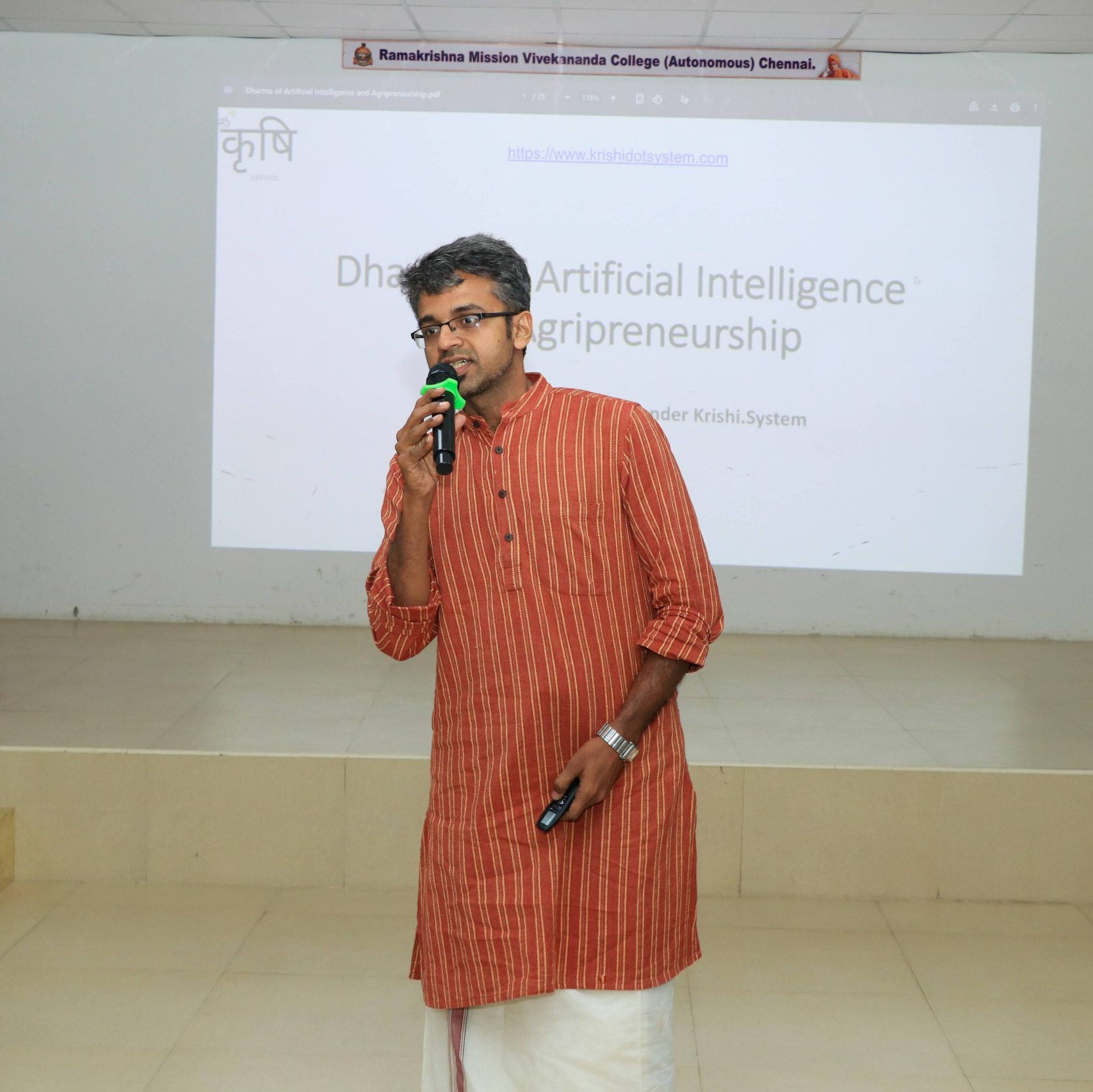
Venkataraman (Venky) Ramachandran is the founder of Krishi.System, a re-search and consulting firm based in Hyderabad, India. Founded in 2019, Krishi.System provides research to more than 45,000 subscribers, manages In-dia’s largest community of agripreneurs, and consults with for-profit firms, non-profits and governments on food systems. At this Symposium, he asks whether Indian Knowledge Systems can build the policy and governance archi-tecture that India’s regenerative agriculture transition requires, a challenge he sees as fundamentally institutional rather than merely a matter of better farm practices. Drawing on his work across India’s agripreneur ecosystems and on traditions such as Vṛkṣāyurveda and the principle of deśa-kāla-pātra, he propos-es a polycentric governance model of Samāj, Sarkār, Bāzār and Sañcār, in which communities steward knowledge and the commons, the state provides enabling regulation and patient finance, markets reward ecological value, and knowledge institutions connect oral, experiential and scientific traditions.
Shri. Vijay S. Laghate
Independent Researcher
Vijay S. Laghate studied Chemistry at IIT Kharagpur and IIT Kanpur under a National Science Talent Scholarship, and went on to complete an MBA at IIM Ahmedabad. He worked for forty years in the chemicals industry, and has pub-lished articles and delivered lectures in India and overseas on industry and man-agement topics. After retiring, he turned to the study of India’s heritage, and finds in the Pañcatantra a wealth of wisdom for adults that goes far beyond children’s stories. He has published three YouTube videos on the Pañcatantra: “The Cave Story”, “Somilaka the Skilled Weaver: A Profound Story on the Concept of Fate and the Attitude to Wealth” and a Marathi version of the same story. He also has a video on Ramanujan’s formula for π. He spoke at INDICA’s 43rd Symposium in September 2025 on “Crows vs Owls: Statecraft from the Pañcatantra”.
Shri. Vinay Kulkarni
Founder & CEO, ALCHMI Strategy Consulting
Vinay Kulkarni is an entrepreneur, advisor, educator and marketer with over twenty-five years of global experience in business management and wellness, and Adjunct Faculty at the RV Institute of Management, Bengaluru. His work cen-tres on business transformation and on embedding Dharmic principles across business, education and governance. He is the creator of the Dharmic Enter-prise Framework, which helps organisations align profit with purpose. In Ben-galuru, he has established a cultural centre housing the Upadesha Academy, which offers IKS-based workshops and retreats, together with Darshana Books & Gifts and Samvada Bistro. His other ventures include Sanskritishaala, which runs cultural workshops for children and youth, and e-Com Elephant, which builds and runs e-commerce platforms for emerging brands. He partners with educational institutions on IKS-based curriculum design and pedagogical inno-vation, and leads leadership and faculty development retreats. At this Symposi-um, he presents Rāṣṭra-Śarīra, a reading of Rājadharma as systems thinking for both the state and the enterprise.
Dr. Vinayak Rajat Bhat
Senior Subject Matter Expert, Vyoma Linguistics Labs Foundation
Dr. Vinayak Rajat Bhat is Senior Subject Matter Expert in Indian Knowledge Systems (IKS) at the Vyoma Linguistic Labs Foundation, Bengaluru; Coordina-tor of the Thematic Minor in Political, Economic and Strategic Sciences under the IKS Division, Ministry of Education; and Lead Guide at Bharat Ki Soch, New Delhi. He holds a PhD in Sanskrit Vyākaraṇa from the Rashtriya Sanskrit Sansthan, Sringeri. His areas of study include Pāṇinian Vyākaraṇa, the Bhāratīya Arthaśāstra paramparā, Nītiśāstra, Āyurveda and the Itihāsas. He has studied under distinguished teachers including the late Prof. R. Devanathan, Prof. B. Mahadevan and Dr. Chandrashekhar Bhat. He co-authored Introduction to Indian Knowledge Systems: Concepts and Applications (PHI Learning) and Kautilya’s Arthashastra: Timeless Strategies for Modern Governance, published by Garuda Publications and Chanakya University, with an e-book edition from the IKS Division. His work makes India’s knowledge traditions accessible through education, curriculum development and contemporary application.
Dr. Vivek Sharma
Asst. Professor - Government College Solan, Himachal Pradesh
Dr. Vivek Sharma explores how ancient Indian thought explains the mind, time and leadership. He is Assistant Professor of Sanskrit at Government College Solan, Himachal Pradesh, and holds a Ph.D. from Panjab University. His research covers Jyotiṣa, Śākta Tantra and the Antaḥkaraṇa model of cognition. His work on Sambandha-tattva appears in a D.K. Printworld volume, and his chapter on the Antaḥkaraṇa in the Bhagavadgītā is published by Springer. He has presented at the World Sanskrit Conferences in Canberra and Kathmandu, and served as Convener of the Jyotiṣa Section at the 19th Conference. He has lectured at IIT Mandi and IIT Madras, co-presented at Oxford in 2026 and organised a special session at MBCC 2026. He is now writing on Jyotiṣa, Tantra, Kāla (time) and Dik (direction), and is moving his creative writing from pure Sanskrit poetry towards Paurāṇika narratives that address modern concerns.
Dr. Venoth Rex
Senior Lecturer, INTI International University-Malaysia
Dr. Venoth has a Master in Business Administration from Open University Malaysia, as well as a PhD in Social Science from Universiti Malaya. Before entering academia, he has gained rich industry experience from his career adventures in various fields, including customer service, quality management, communication, education, as well as training and development. Upon completing his PhD, Dr. Venoth started his academic career as a Senior Lecturer in INTI International University, during which he has taught subjects such as Design Thinking, Strategic Management, Media Literacy, Community Service etc. During a recent tenure as a QS Deputy Director, Dr. Venoth has actively engaged in institutional advancement and external collaborations with various international institutions.
Shri. Rajesh Kamath
Founder - Chanakya Consulting Insights
As A Consultant, Facilitator and Coach at Chanakya Consulting Insights & co-founder of Chiranjeev Gurukul, where in the objective is to apply principles from Kautilya’s Arthshastra to modern organizations, Shri. Rajesh Kamath offers Consulting & Learning services inspired by the timeless principles of Kautilya’s Arthashastra, an eternal leadership manual authored in 4 BC. He is known for combining the best of western and Indian management science to provide Leadership consulting, coaching and learning solutions to the industry.
Dr. Ashwini Shelke Tarale
Former Head of HR - Aster Technologies
An HR professional, educator, researcher, and learning and development enthusiast with over 15 years of experience in corporate and academic settings. Dr. Ashwini has worked in strategic HR leadership in the manufacturing sector and taught management students at NMIMS, Mumbai, and Sinhgad Institutes, Pune. She is also a student of the Kautilya Arthashastra and Indian knowledge systems, exploring how their principles can support management education, leadership development, and organizational practice.
Veteran Wg Cdr Vijay Dhanraj Chattur (Retd)
Indian Air Force
Veteran Wg Cdr Vijay Dhanraj Chattur (Retd) is an engineer, former Indian Air Force officer, entrepreneur and student of Indian heritage. A graduate of COEP with a Master’s degree from the Indian Institute of Science, Bengaluru, he served the Indian Air Force with distinction for twenty years before retiring as a Wing Commander. As an entrepreneur, he later developed several industrial products, including a patented innovation, and contributed extensively to entrepreneurship development, serving as Chairman of an NGO dedicated to the cause. His enduring interest in India’s intellectual and spiritual heritage has resulted in several published works on Sikh and Jain traditions. On Sikhism, these include Zafarnama (Shri Vijay Patra), Bachitra Natak, Chandi Di Vaar and Jaap Sahib, work recognised by Sikh scholars and Gurudwaras; on Jainism, Leshya: Key to Kaivalya. His present work on Acharya Kautilya’s Arthashastra continues his effort to explore and present India’s enduring intellectual traditions for the contemporary reader.
Shri. Anil Srinivas Chilla
Author, Global Leadership Practitioner
Anil Srinivas Chilla is a global business leader, digital transformation expert, and author with over 25 years of experience at Dell Technologies, Levi’s, and L’Oréal. He has held senior roles across Asia-Pacific, India, and global markets, served on regional and global leadership committees for ecommerce and digital transformation, and led large, multicultural teams across Asia, Australia, and the Middle East.
A student of the Ramayana since 2009, guided by the discourses of Chaganti Koteswara Rao, Anil treats the epic as a practical leadership text. It offers lessons on communication, decision-making, resilience, strategy, empathy, and ethics.
His book, The Ramayana Guide to Practical Leadership, draws on the Valmiki Ramayana and reads its characters and situations as case studies relevant to modern professional and personal life. Informed by his Vipassana practice, his work helps readers rediscover Indian wisdom traditions as living systems of thought. It gives students, professionals, and leaders grounded, values-driven insights rarely taught in formal education.
Swami Agastyananda Giri
R&D Lead, Anaadi Centre for Indic Leadership (ACIL)
Swami Agastyananda Giri is the R&D Lead at the Anaadi Center for Indic Leadership (ACIL), where he works on bringing Indian Knowledge Systems into contemporary leadership, education and organisational practice. His work focuses on studying Indic knowledge traditions, developing applied frameworks and translating them into forms that are accessible and useful for modern institutions and leaders.
He is also an experienced IKS educator and is currently pursuing his PhD at IIT Bombay in the areas of Indian Astronomy and Mathematics. He holds a B.Tech and an MBA from Amrita University and was a University Gold Medallist.
Before moving fully into education and Indic knowledge work, he spent several years in the technology sector and later served as Co-founder and CEO of EduSeva Technologies. His experience across technology, entrepreneurship, education and IKS informs his interdisciplinary approach to leadership and institutional development at ACIL.