

This event is over. See upcoming events
7:00 AM - 8:00 PM IST
Global Oneness Festival 2026 | 7th Edition | April 21 – May 20, 2026
SPEAKERS
-
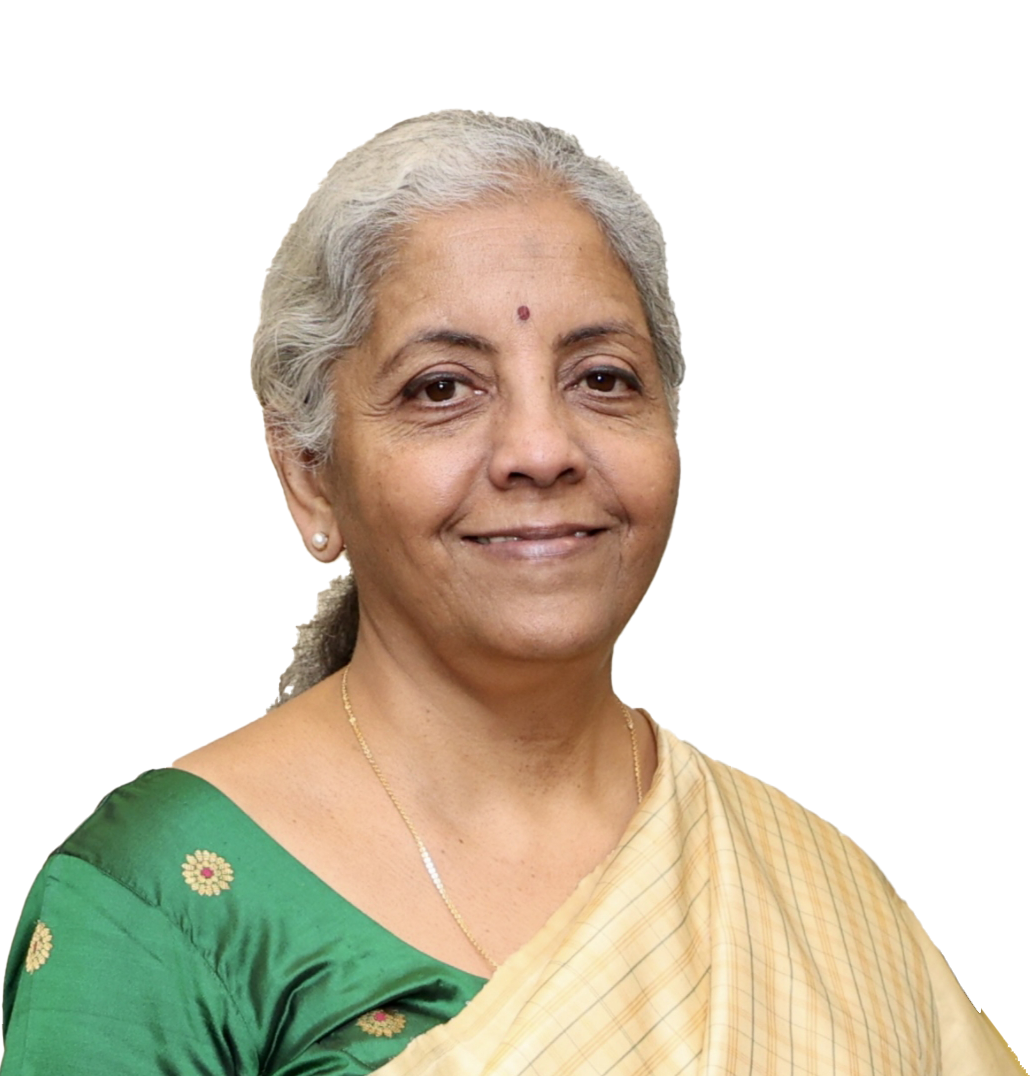
Smt. Nirmala Sitharaman
Hon’ble Minister of Finance and Corporate Affairs
-
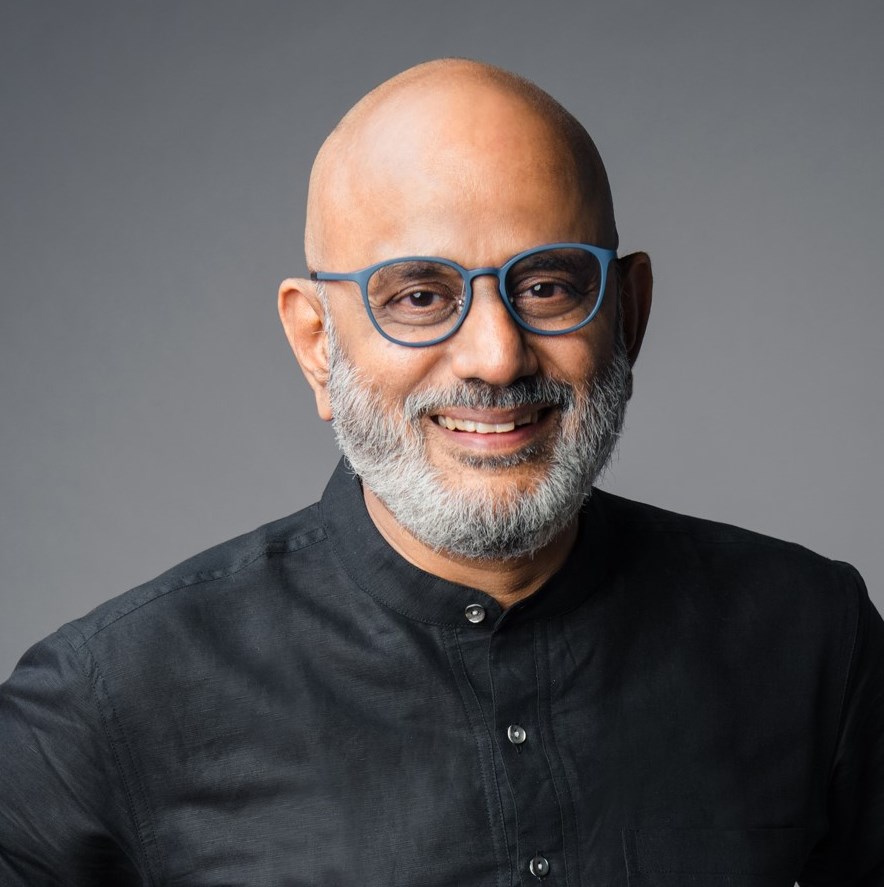
Hari Vadlamani
Founder - INDICA, NICE, Co-Hari
-
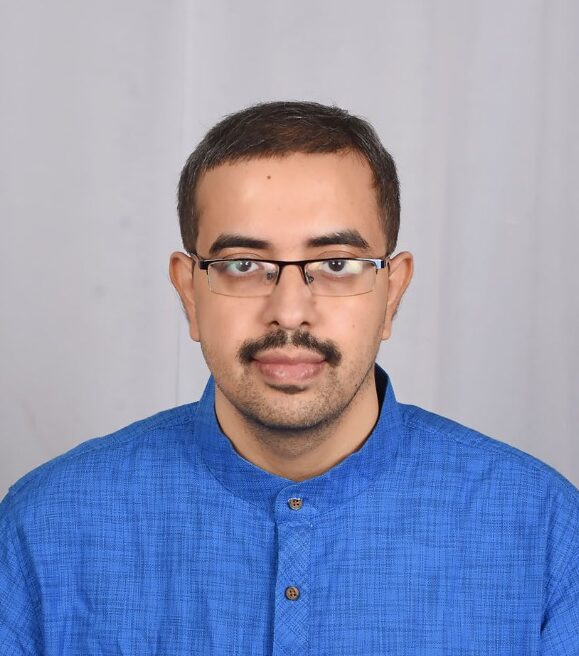
Nithin Sridhar
Director & Chief Curator, INDICA Moksha
-
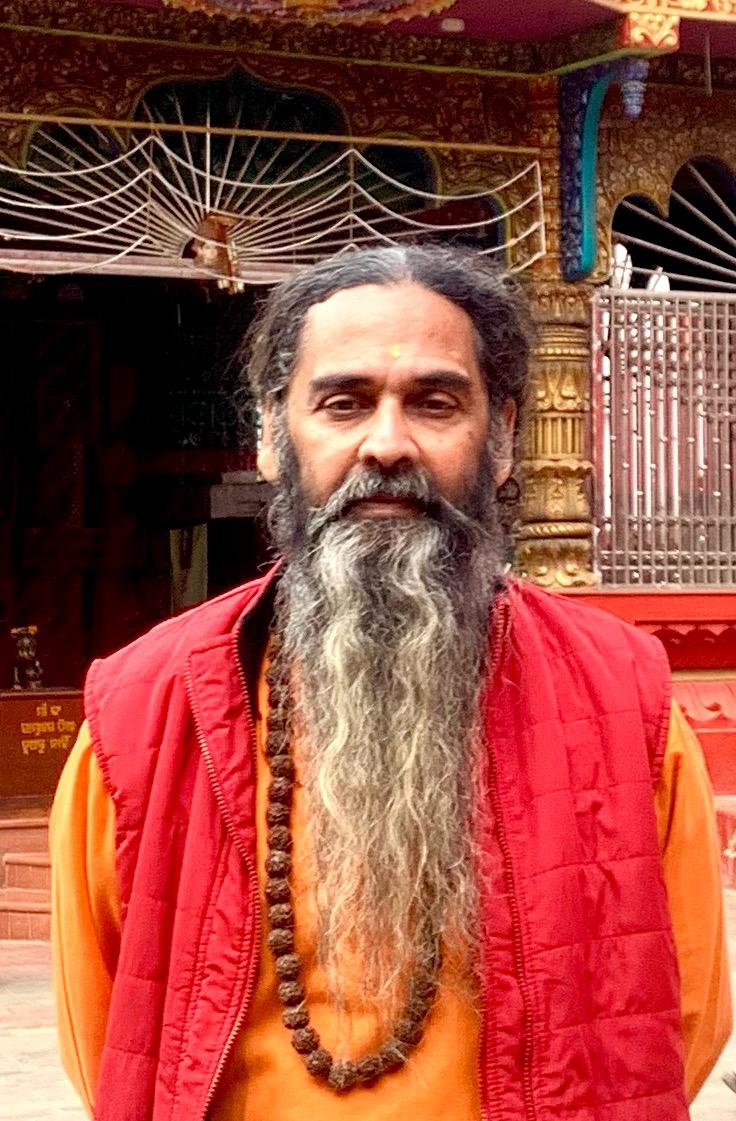
Swami Shyamananda
Vedanta Teacher
-
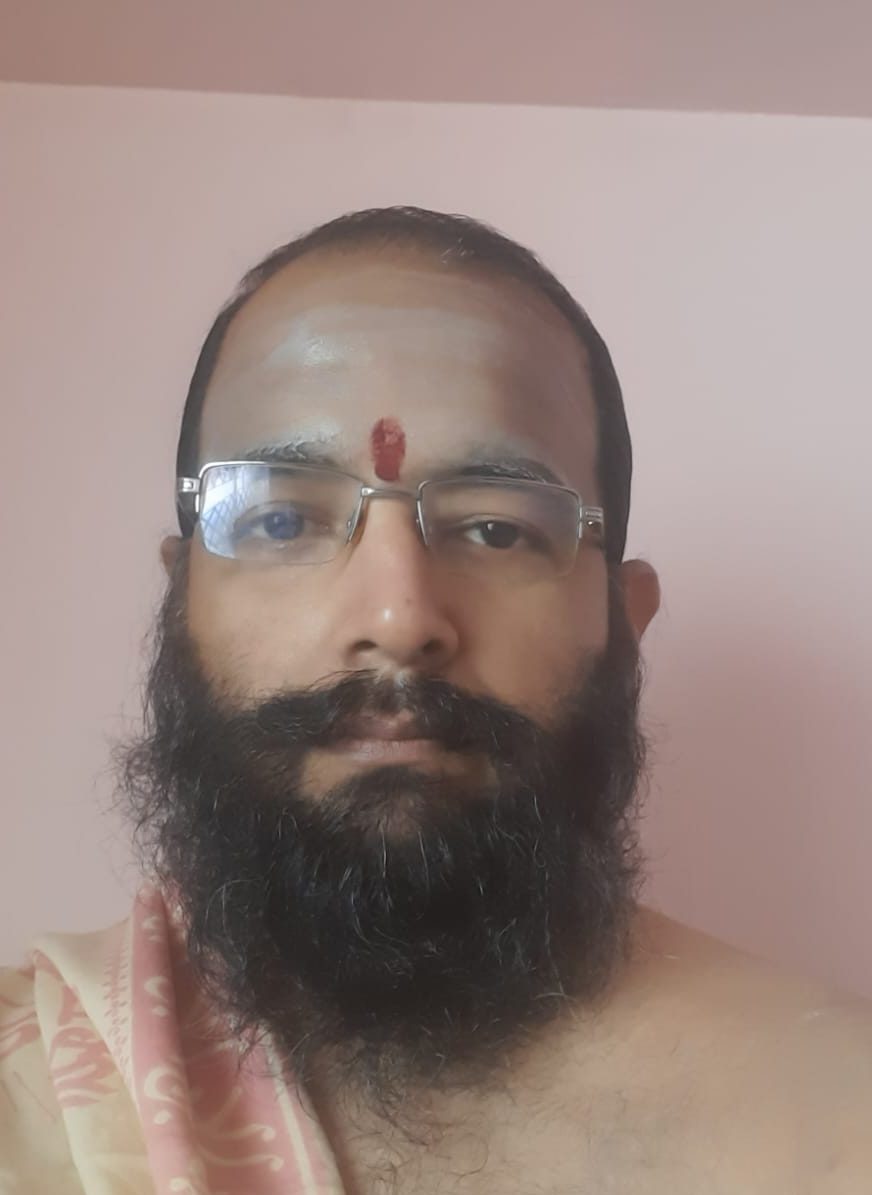
Sharan Lakshminarayan
Vedanta Teacher
-
Raghu Ananthanarayanan
Healer. Yogic Leadership Coach. Founder, Ritambhara Ashram.
-
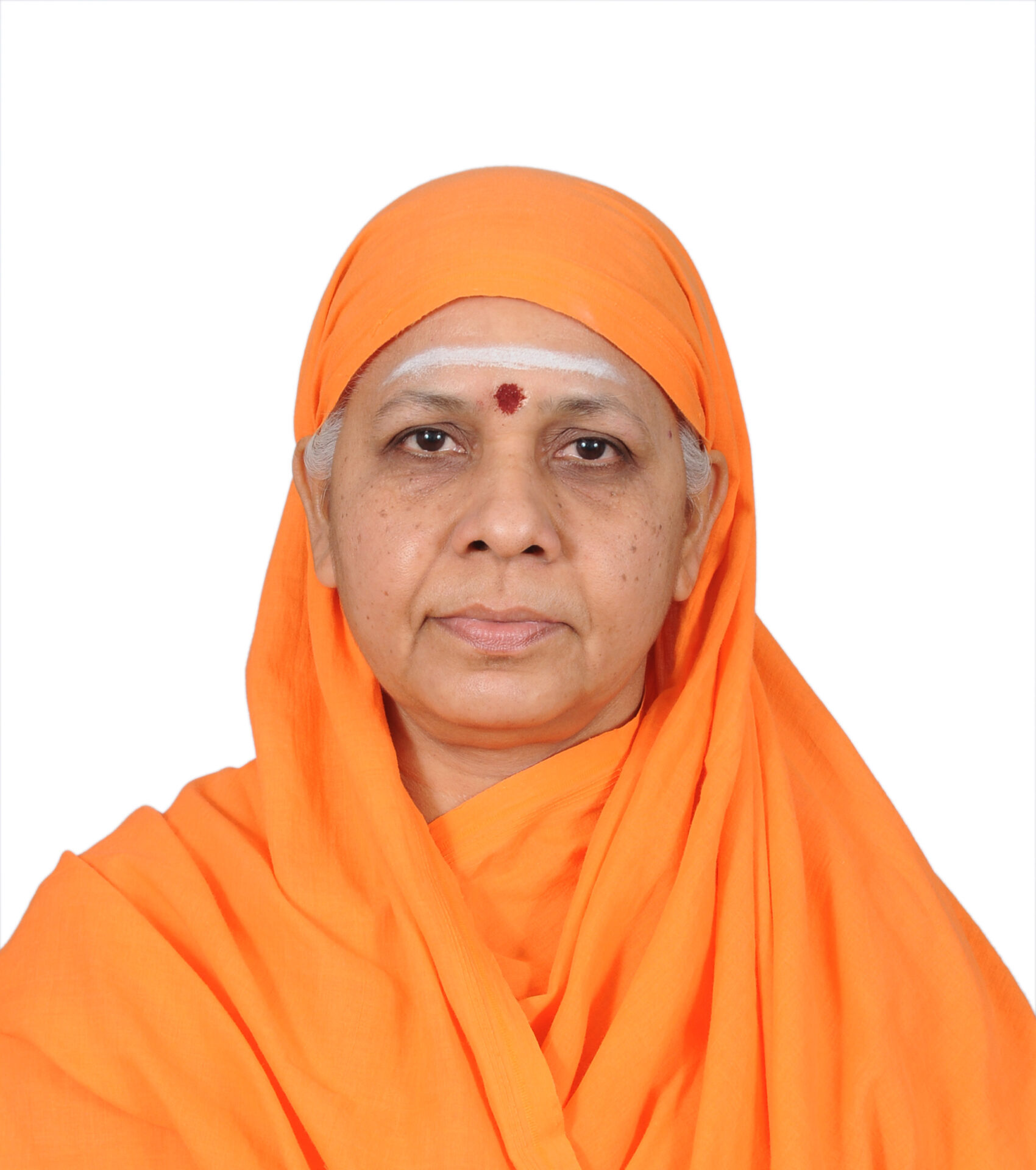
Swamini Satyavratananda
Disciple of Swami Dayananda Saraswati and Swami Paramarthananda Saraswati
-
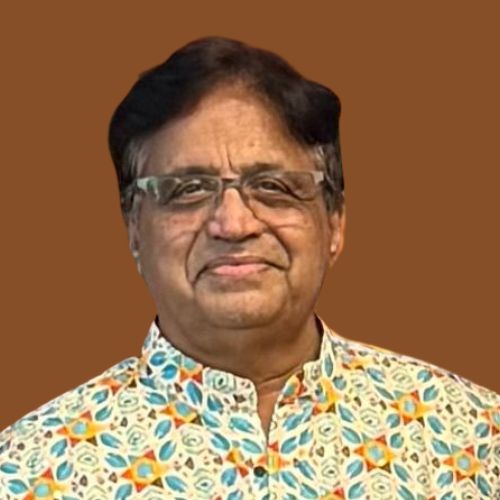
Sundar Rajan
Technologist
-
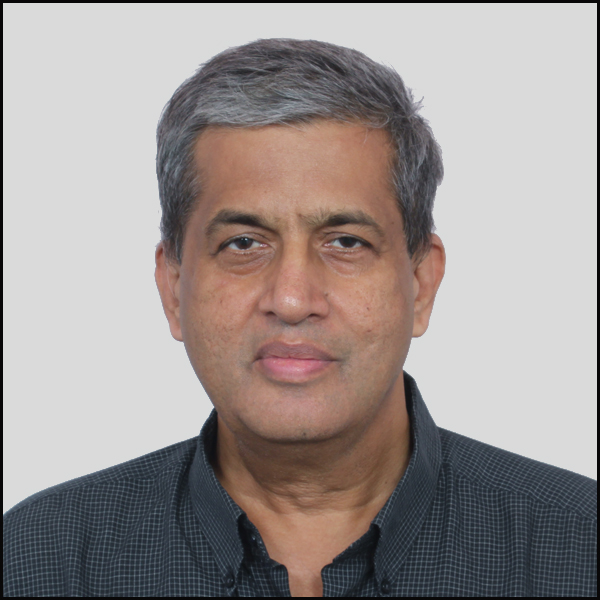
Krishna Kashyap
Teacher of Vedanta
-
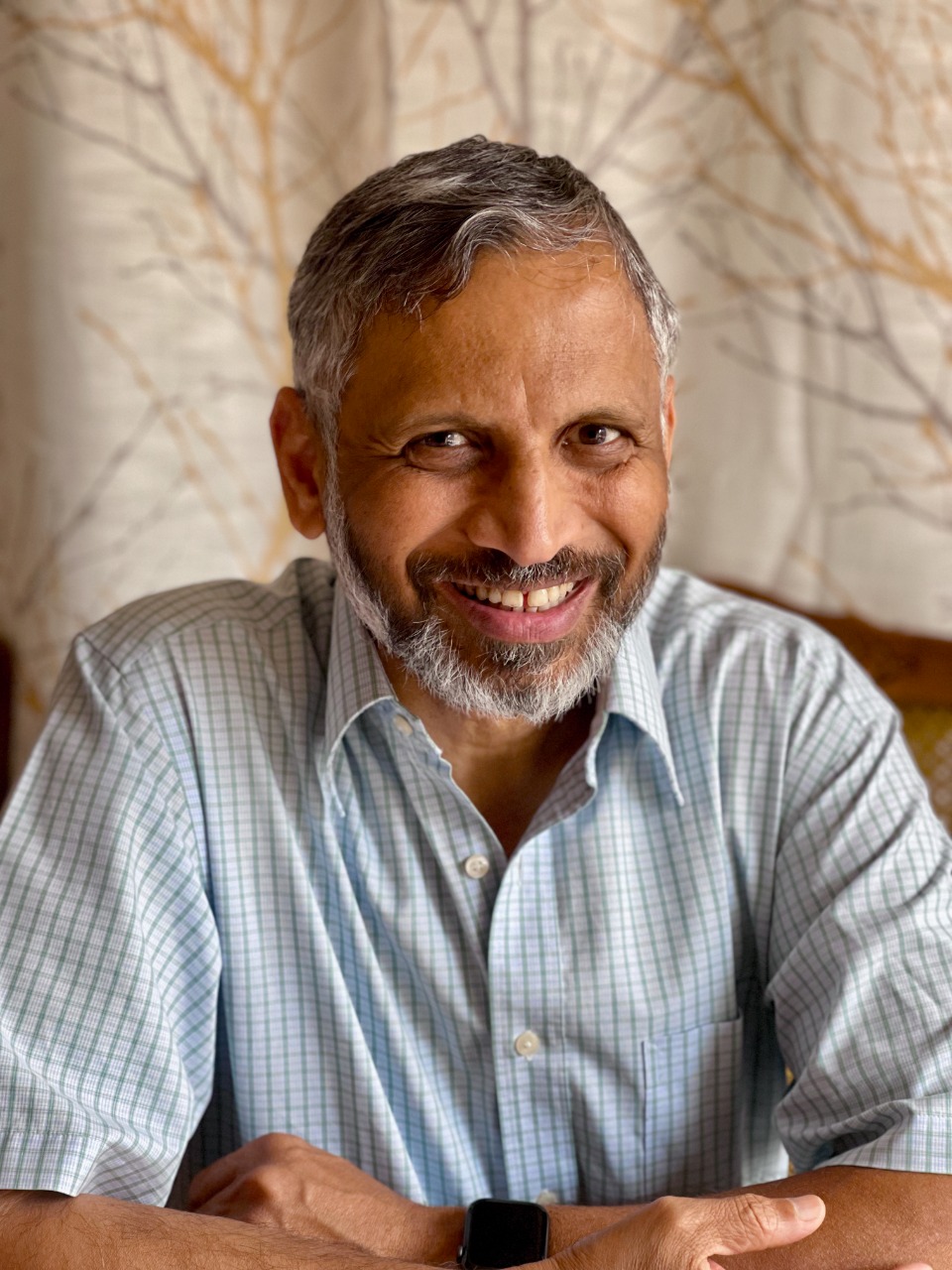
Prasad Kaipa
-
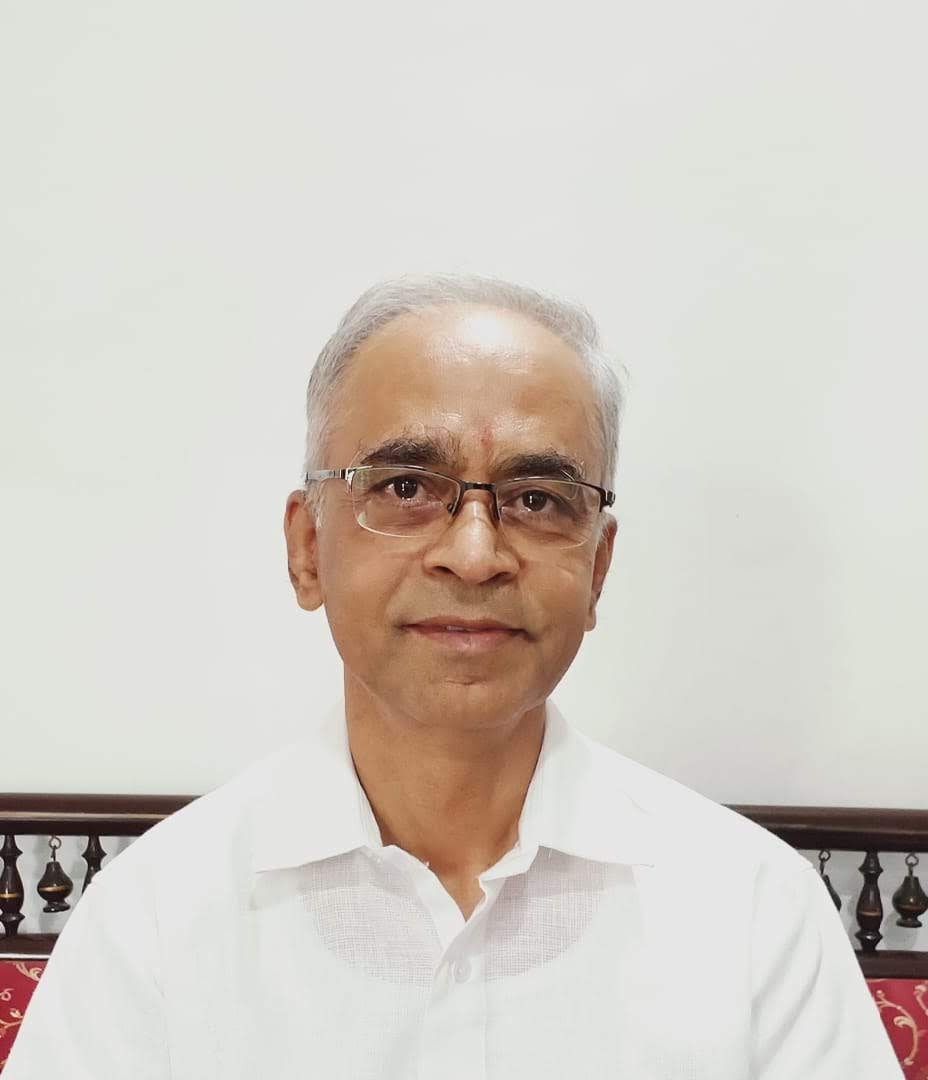
Dr. K. Aravinda Rao
DGP (Retd). Vedanta Teacher
-
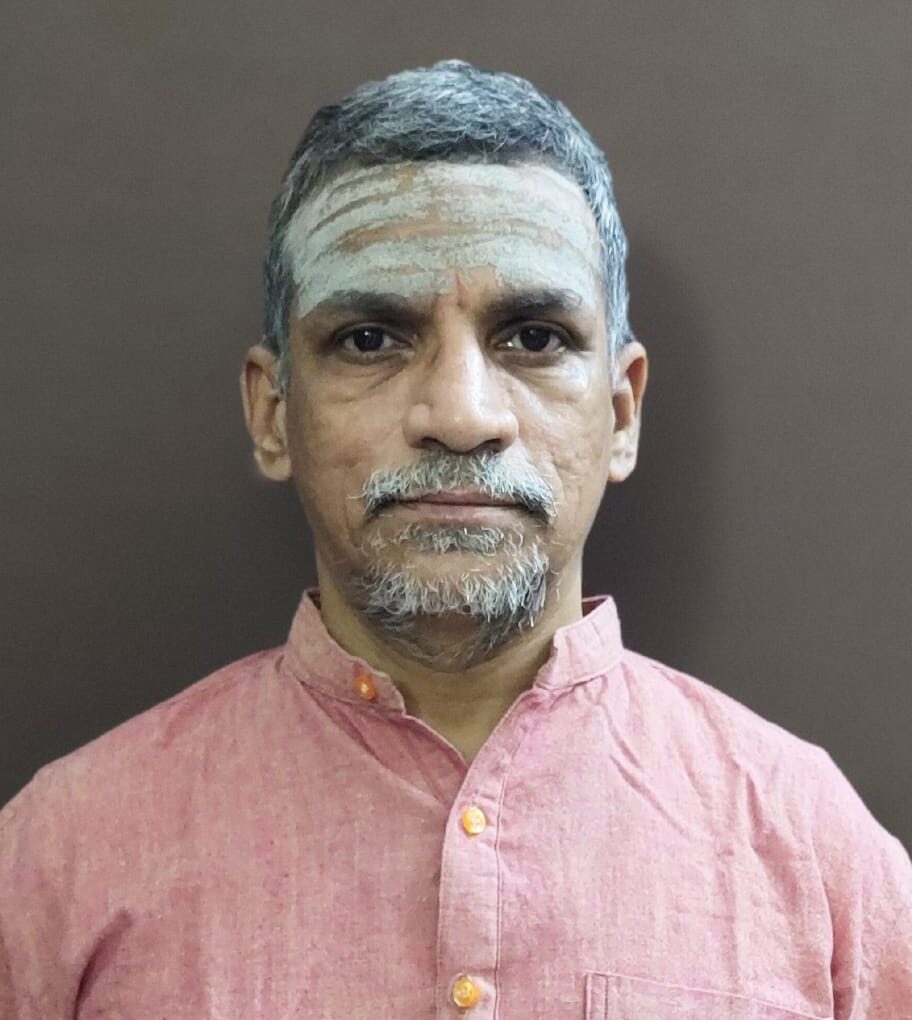
Acharya Giridhara Sarma
Vedanta Acharya. Electronic Engineer.
-
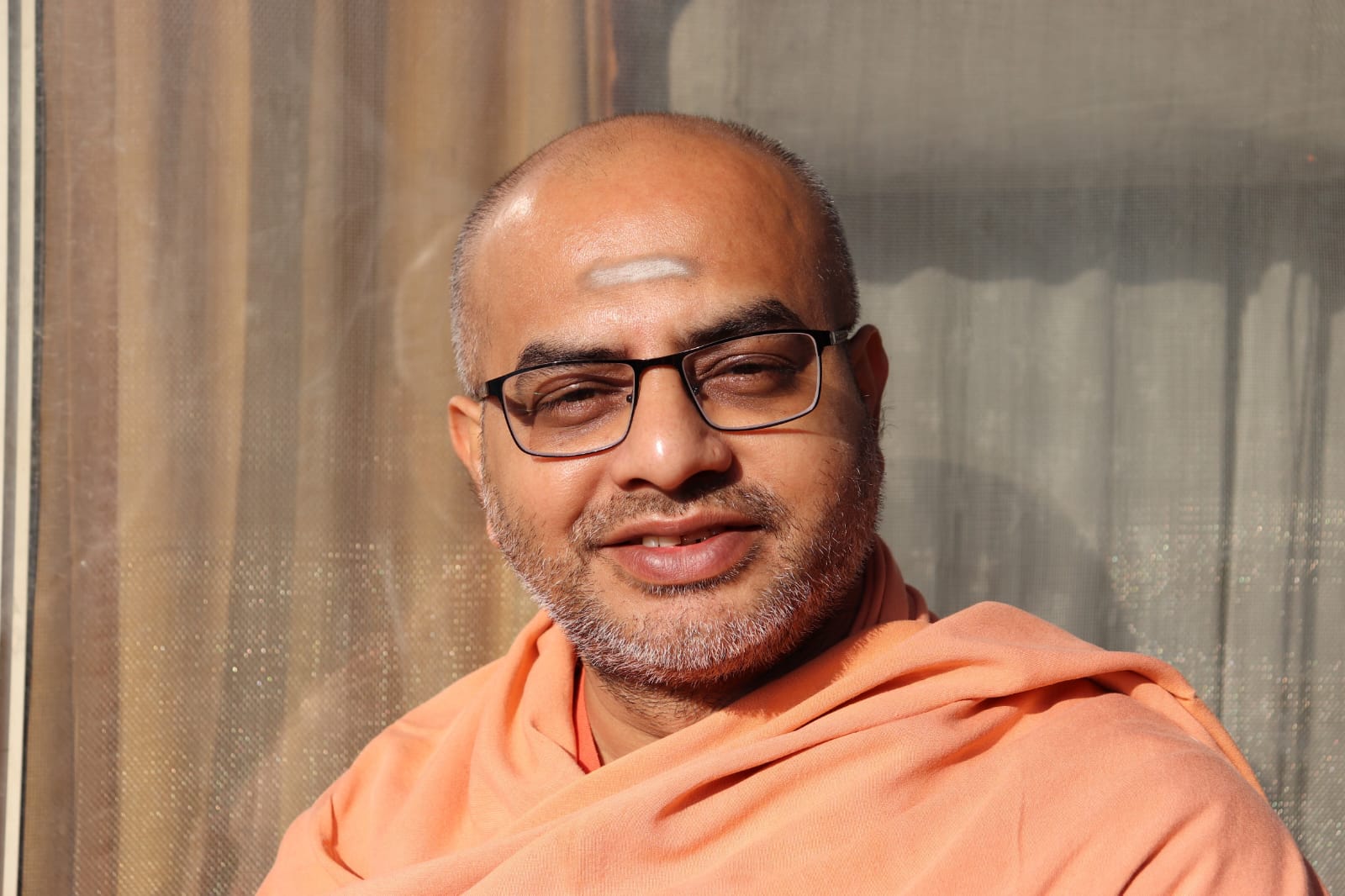
Mahamandaleshwar Swami Abhishek Chaitanya Giri
Vedanta Teacher and Mahamandaleshwar based in Rishikesh
-
Gokulmuthu Narayanaswamy
Director of Product Development at Itron India, Bangalore
-
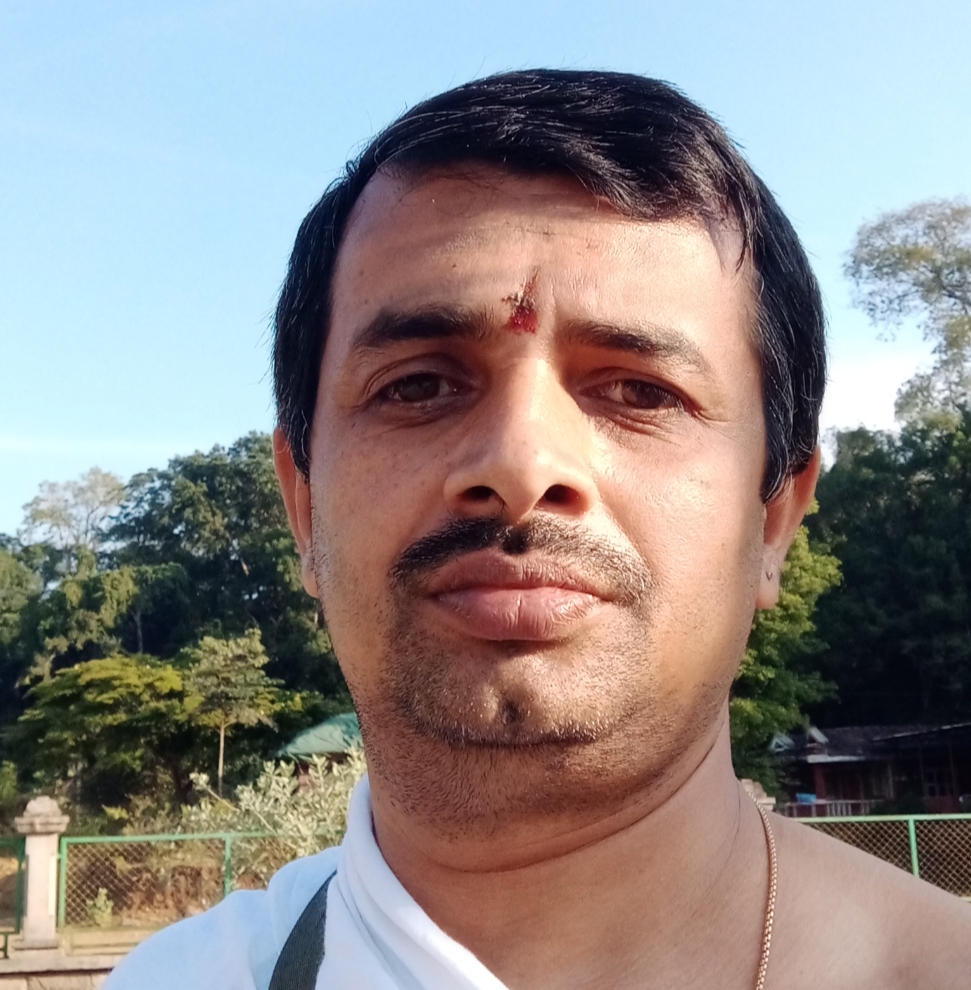
Dr. Mahabaleshwar Bhat
Principal, Veda Vijnana Shodha Samsthanam Samskrita College
-
Arjun Singh Nirmala
Student of Nirmal Sampradaya
-
Saivasastra Sudhee Smt. J Madhangi
Entrepreneur, Student of Brahmasri Sri Goda Venkateswara Sastrigal
-
Ramanan Shastri
-
Manjushree Hegde
Research Fellow, Mythik. Advaita Scholar.
-
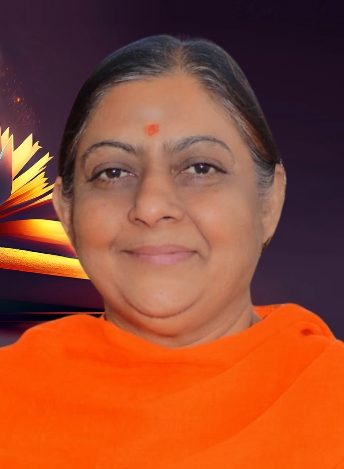
Swamini Suprabhananda
Disciple of Pujya Swami Viditatmananda Saraswati
-
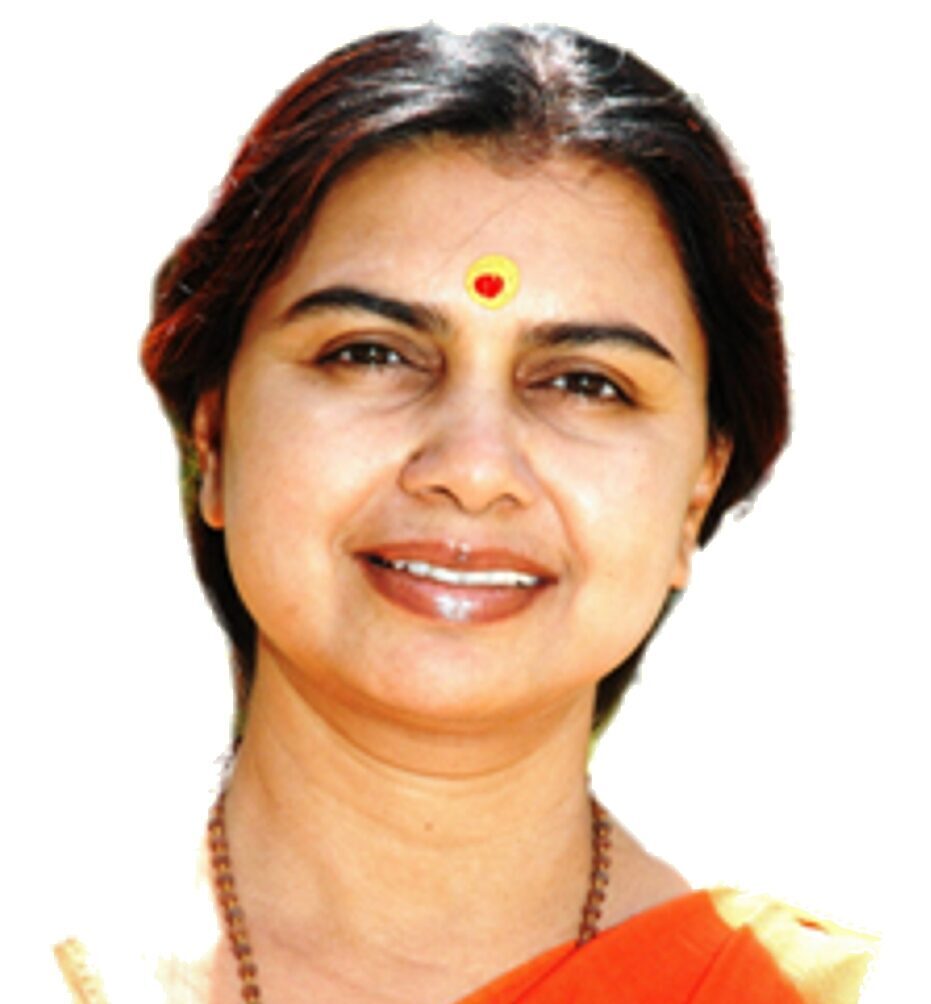
Swamini Paraprajnananda
Vedanta Teacher
-
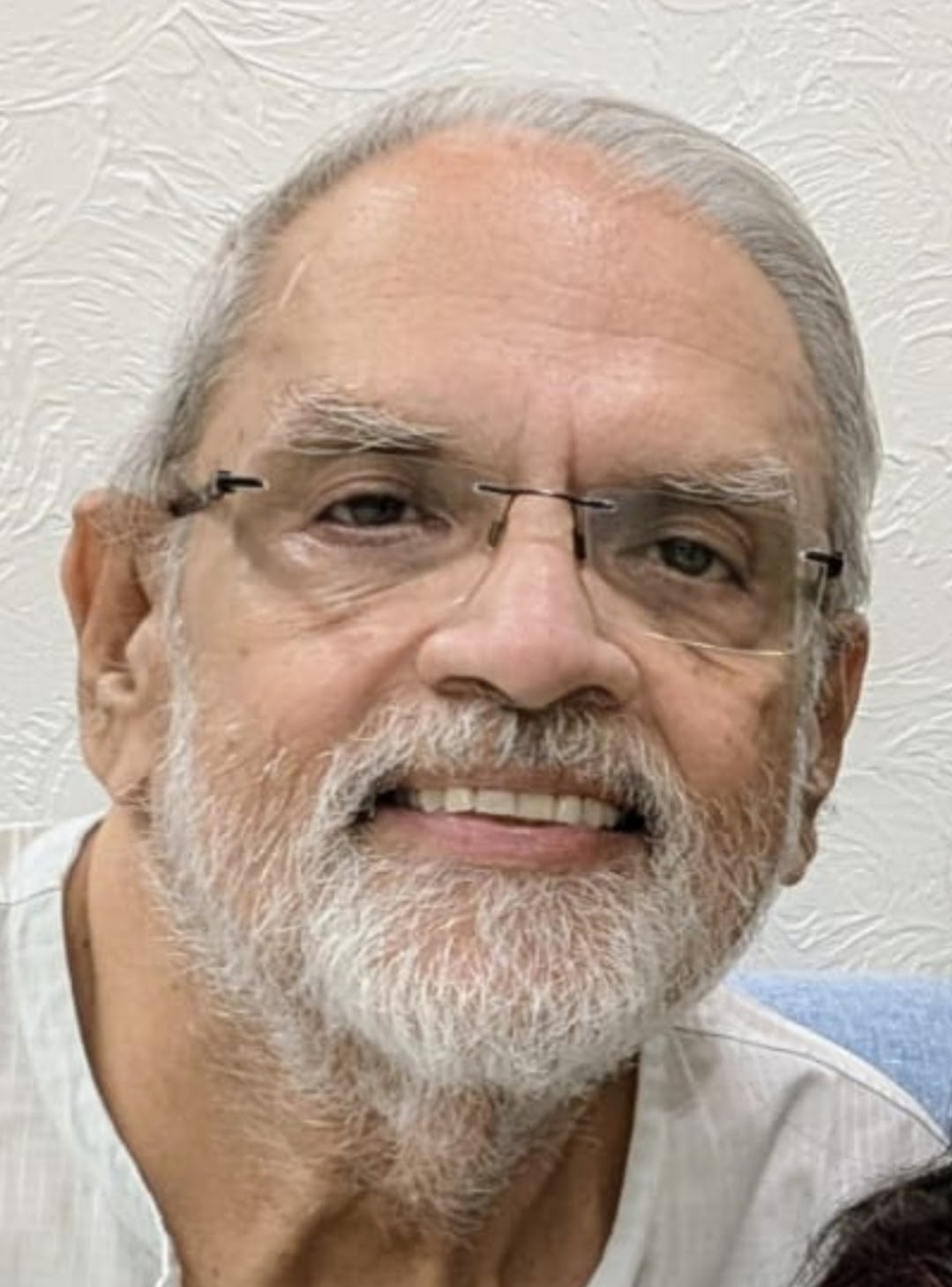
Aurobind Padiyath
Vedanta Teacher
-
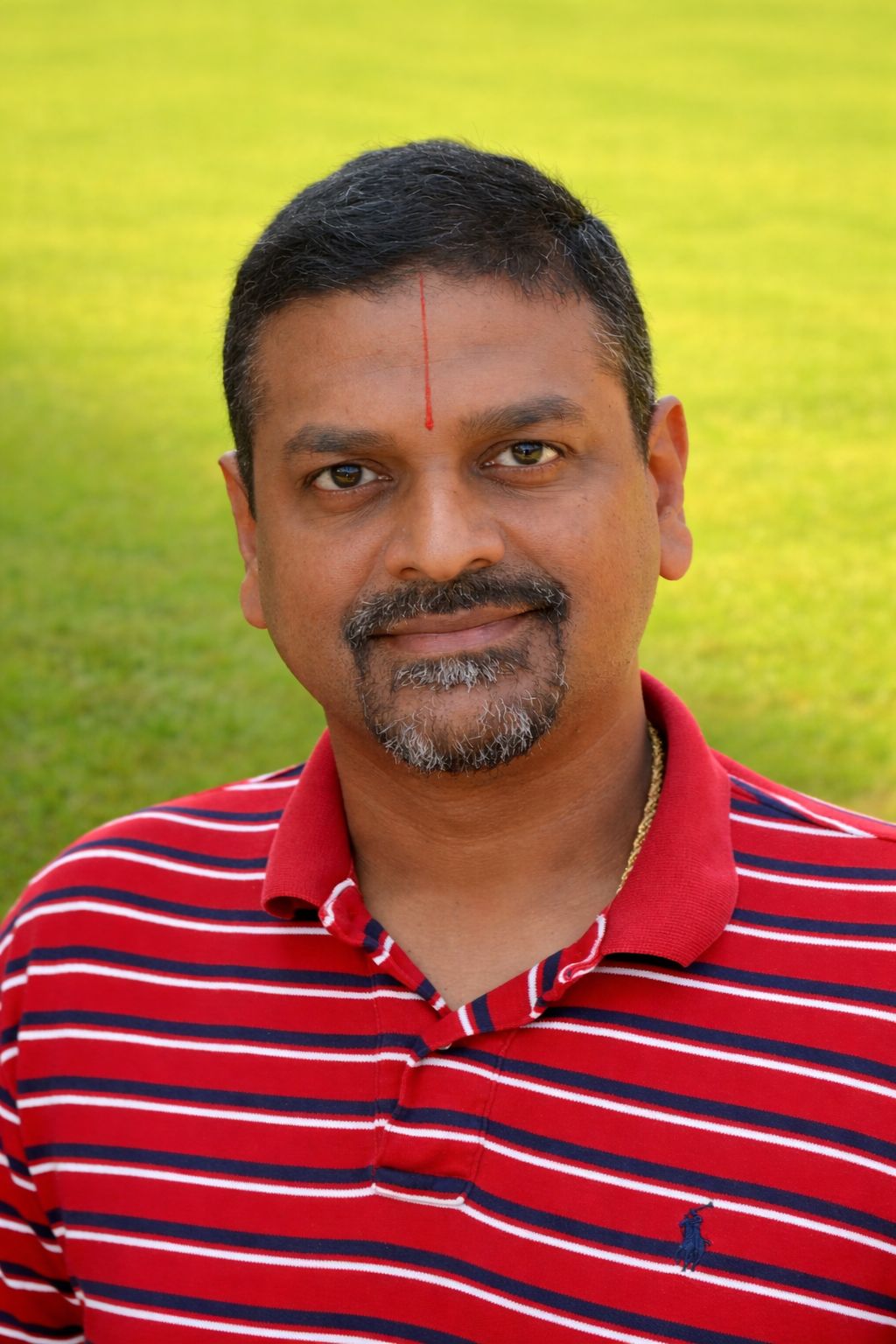
Vikram Jagannathan
Technologist. Student-Seeker of Vedanta.
-
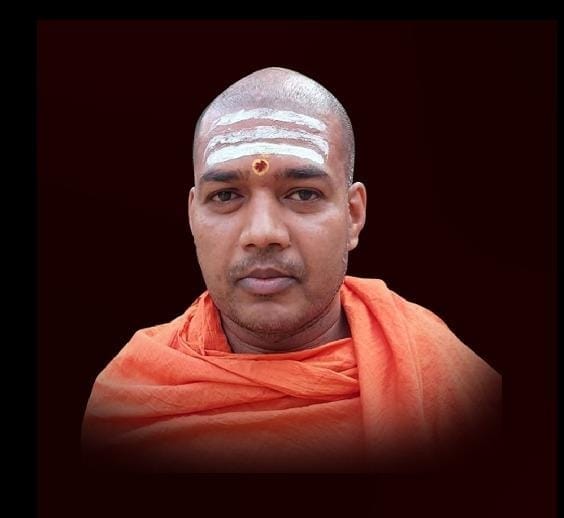
Swami Prakasananda
Peethadhipati of Gyana Saraswati Peetham in Vijayawada and Brahmavidya Matham in Eluru
-
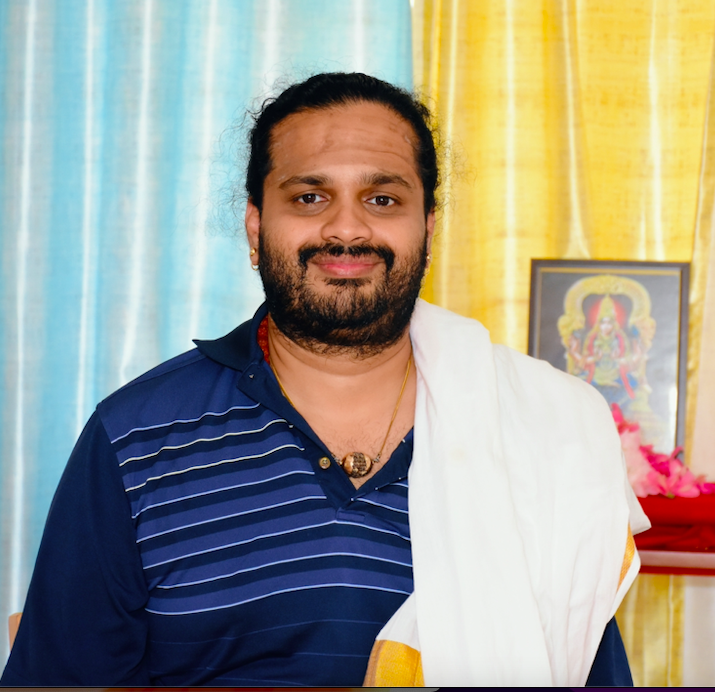
Dr. Shyam Panchapakeshan
Leads NERD lab, SASTRA university
-
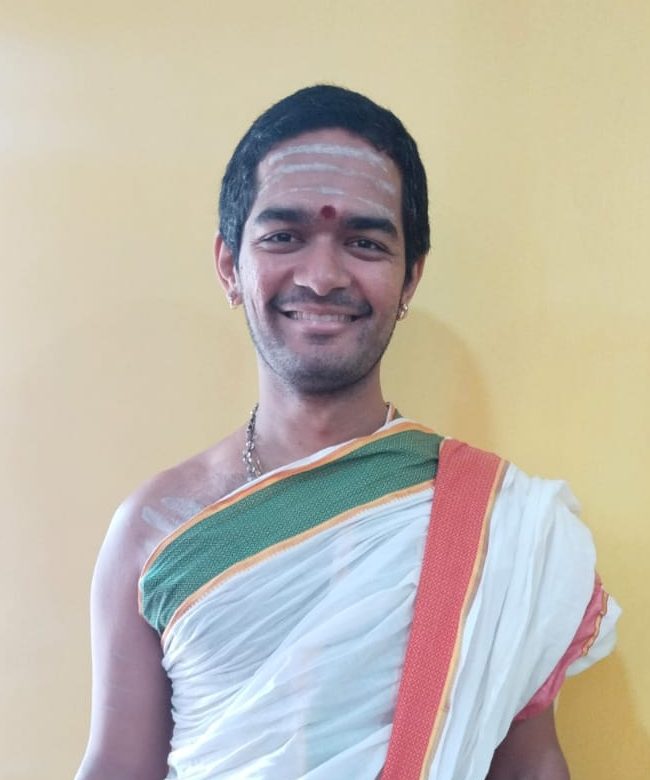
Vid. Shankararama Sharma
Traditional Vidwan and Techno-Linguistic Scholar at Vyoma Linguistic Labs
-
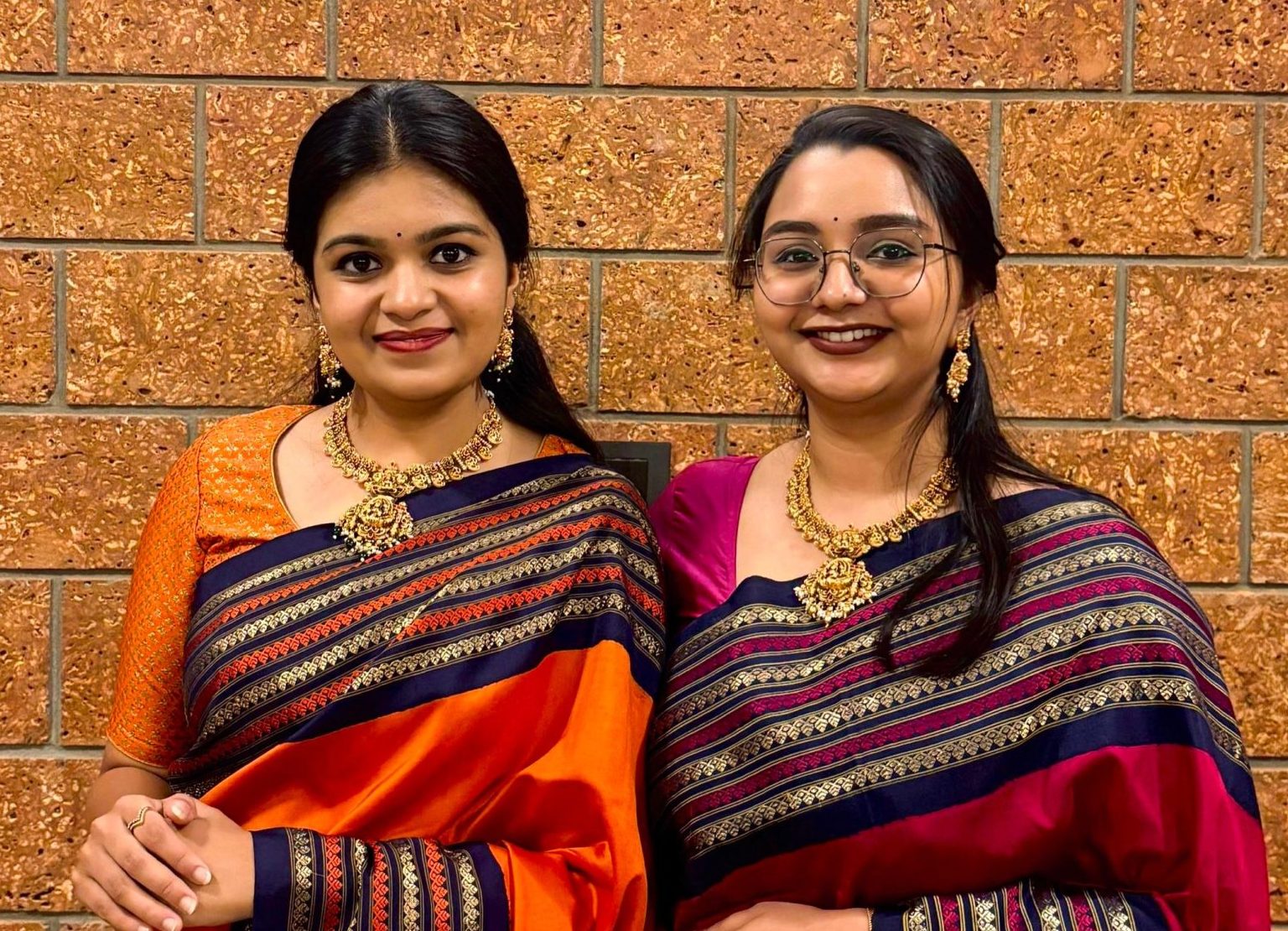
ChaRitha (Chandana & Supreetha)
-
Swami Chidananda
Vedanta Teacher
-
Br. Soham Chaitanya
Vedanta Sadhaka.
-
Arunesh Mahadevan
Student of Vedanta
-
Swami Tathagatananda Saraswati
Vedanta Teacher
-
Arun Vishwanathan
-
Dr. M V Guha Vishwanath
Adjunct Professor, Department of Heritage Sciences and Technology, IIT Hyderabad
-
Swami Bodhananda Saraswati
Vedanta Teacher
-
Vidwan Goda Eswara Sarma
-
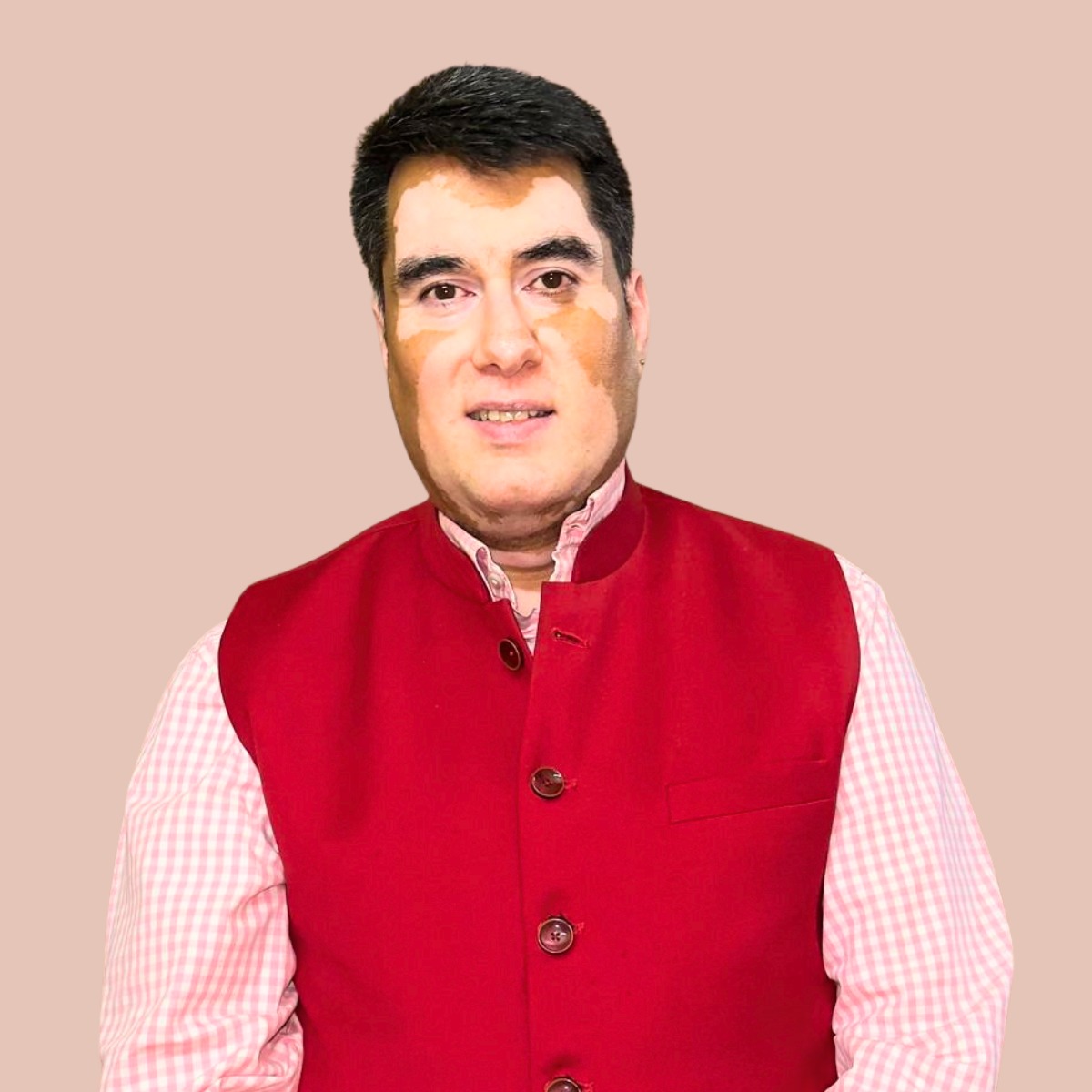
Vinay Kulkarni
Entrepreneur. Educator.
-
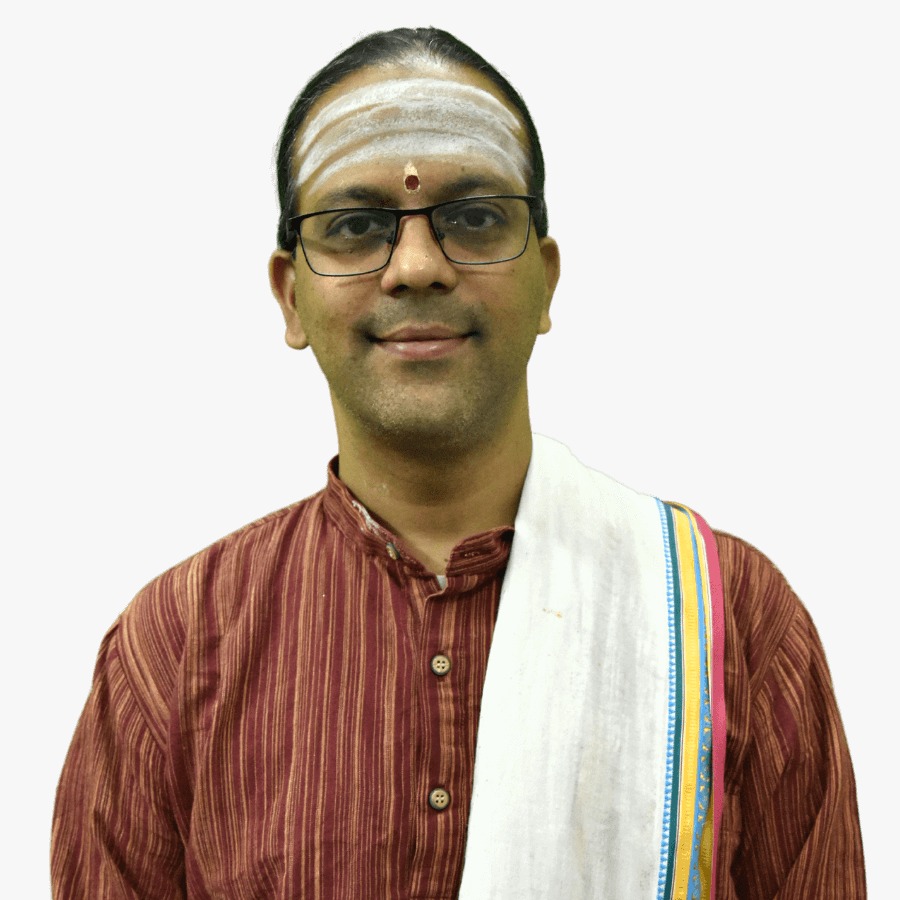
Dr. CA. Vishwanathan P
CEO - Vyoma Linguistic Labs Foundation
-
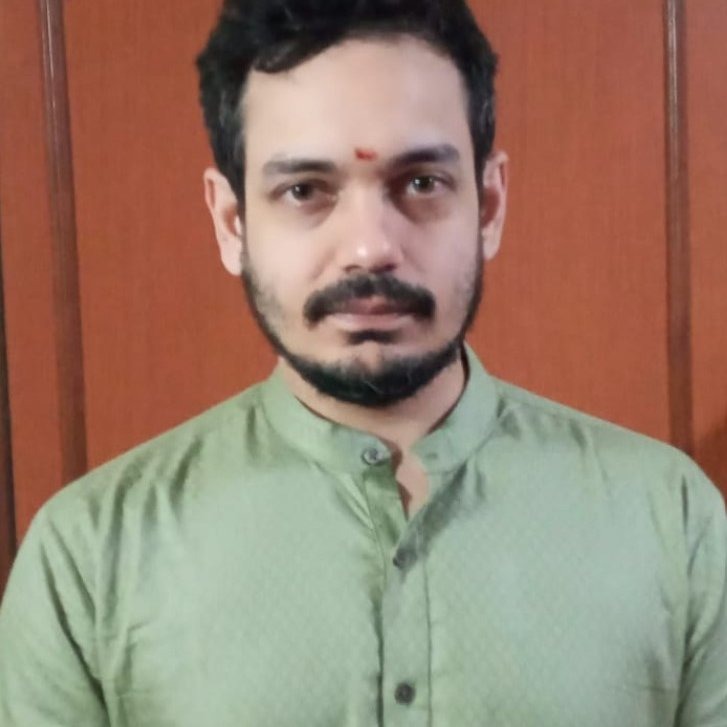
Dr. Ashutosh Simha
Professor, Jyoti Institute of Technology, Bangalore. Senior Member, Vedanta Bharati
-
Dattatreya Dixit
Sanskrit Scholar, Translator, and Practitioner-Educator
-
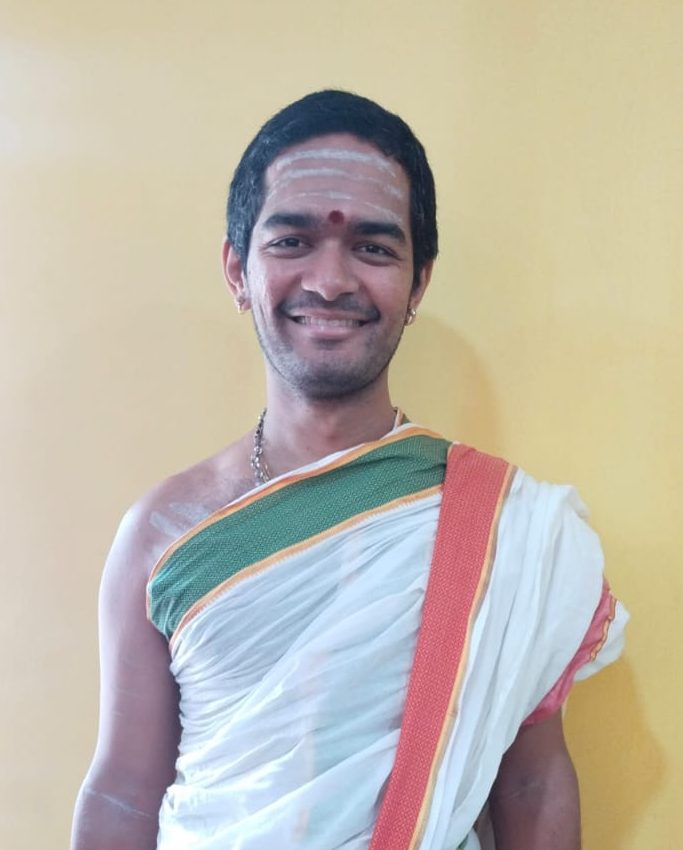
Vid. Shankararama Sharma
Traditional Vidwan and Techno-Linguistic Scholar at Vyoma Linguistic Labs
-
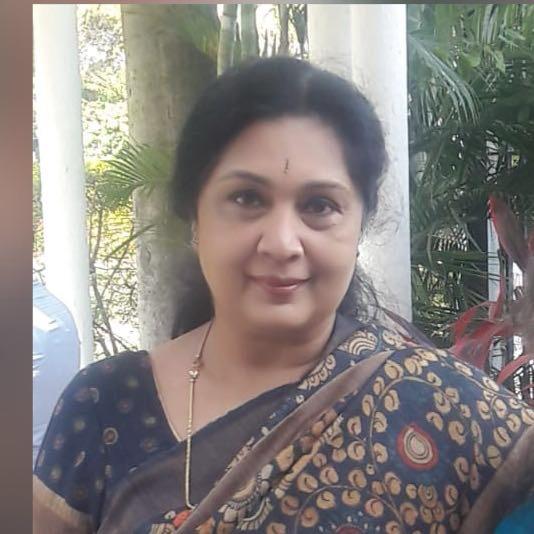
Dr. Sharda Narayanan
-
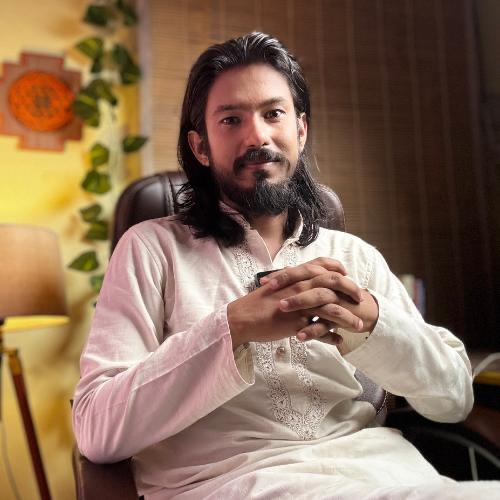
Amritanath Bhattacharya
Author, Poet, Editor & Independent Researcher
-
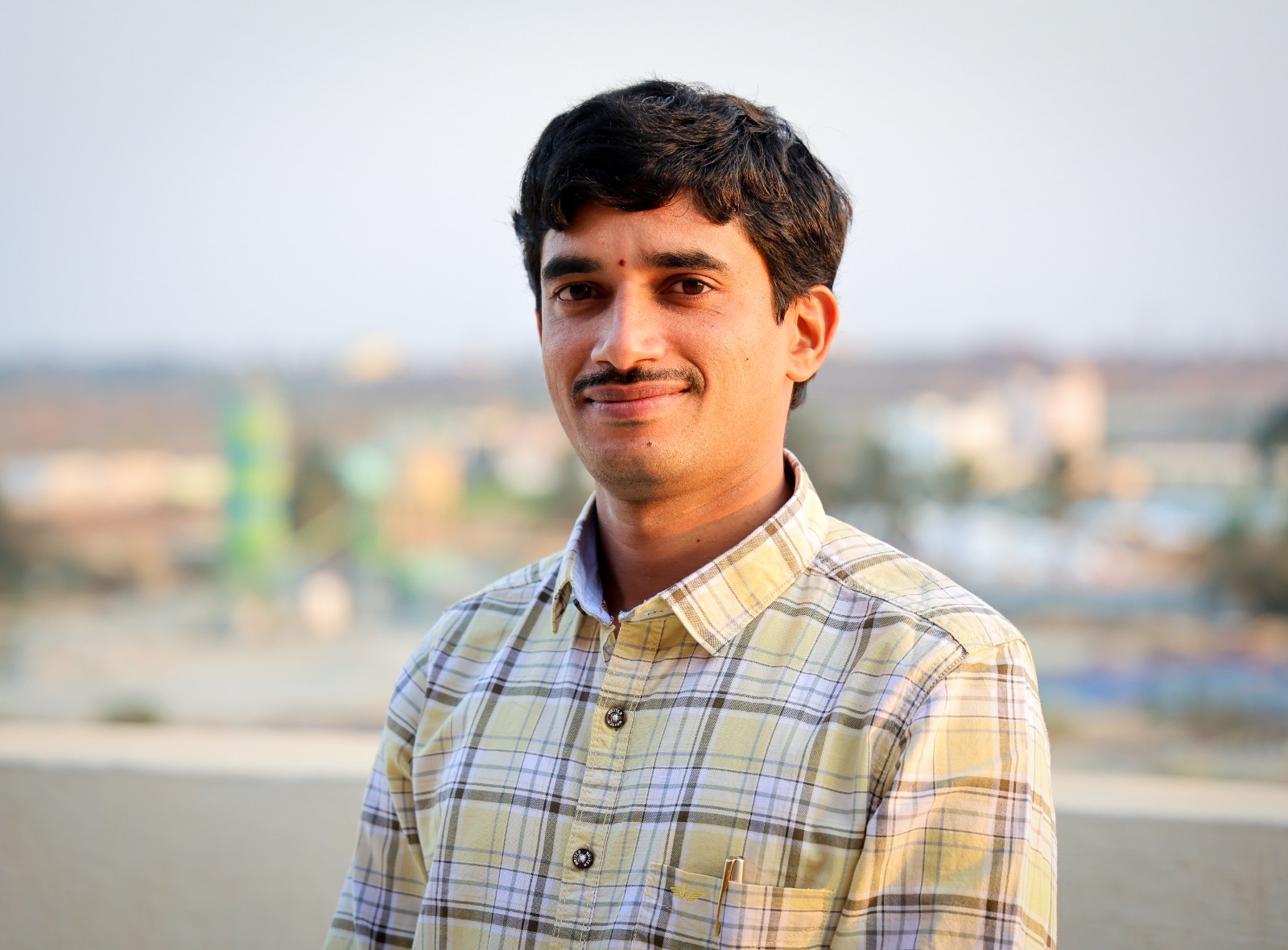
Dr. Naveen Bhat
-
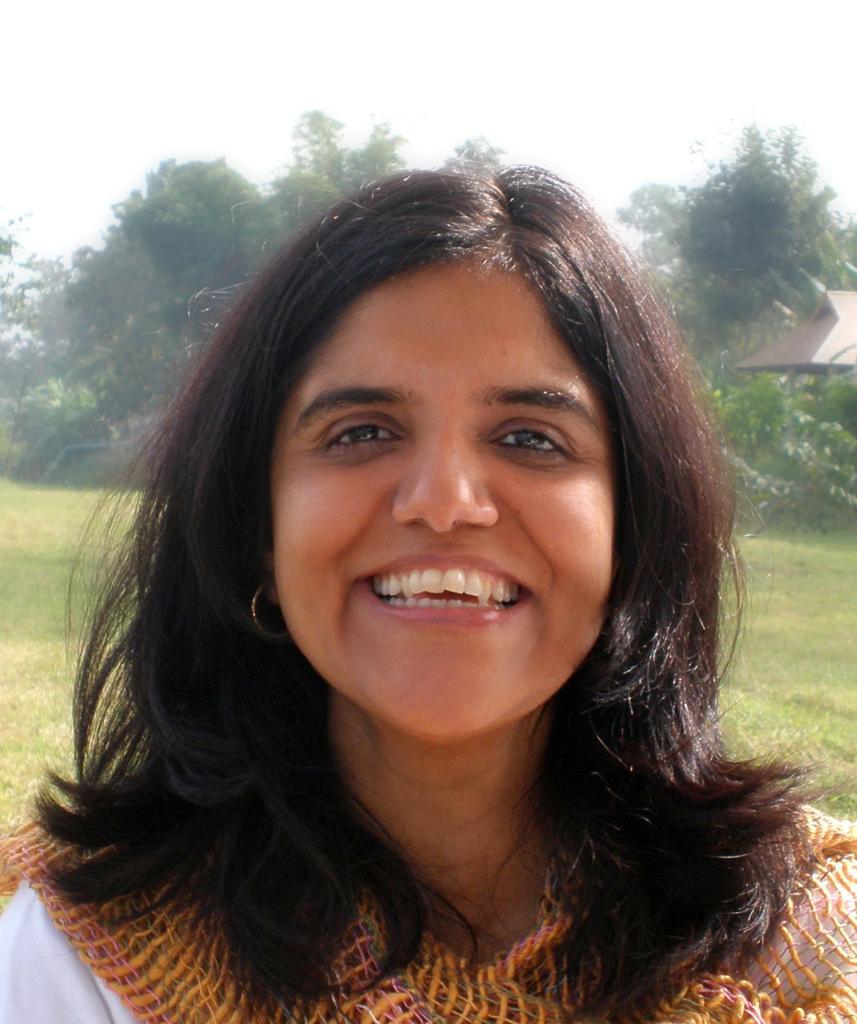
Neema Majmudar
-
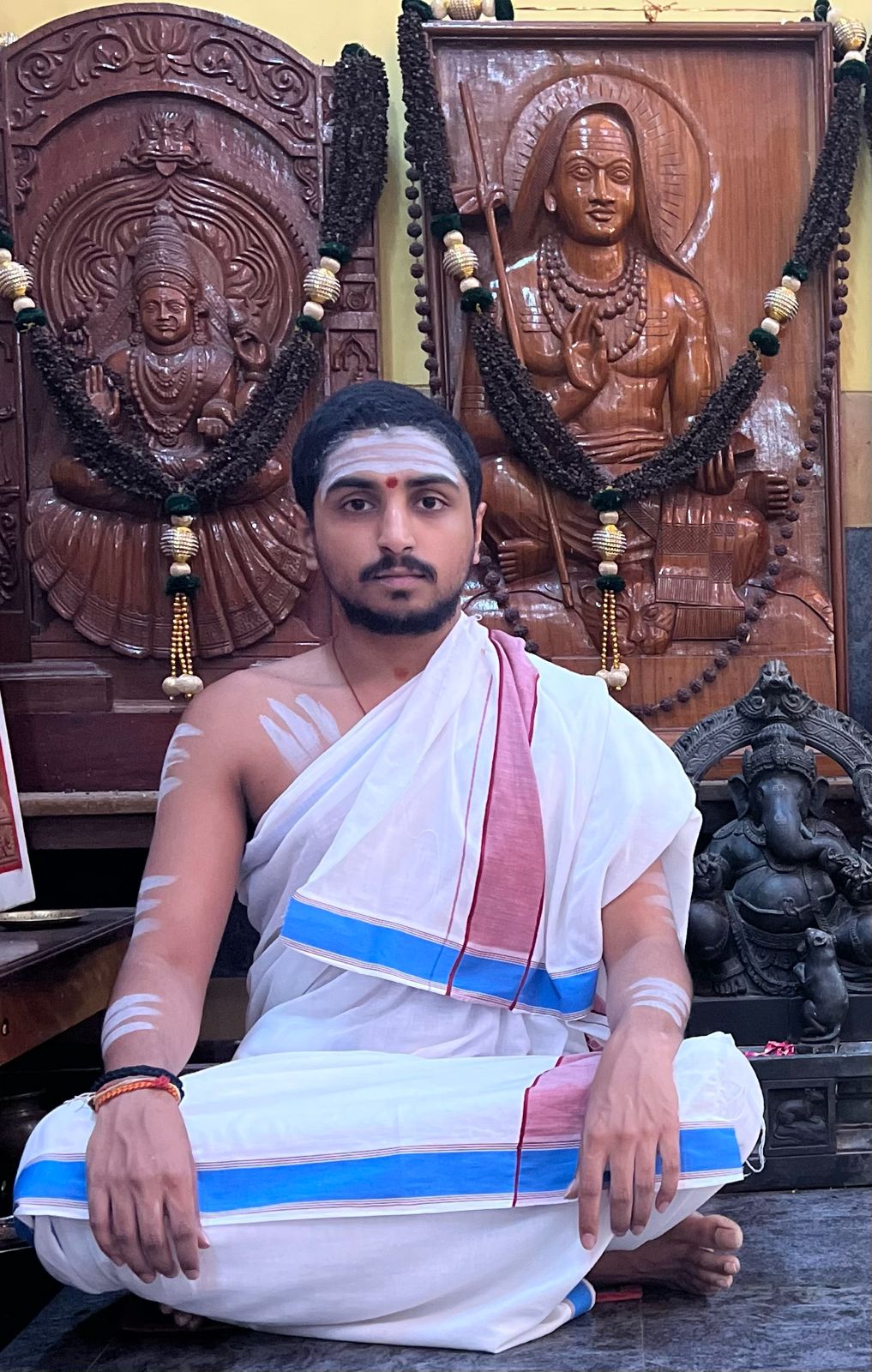
Shatavadhani Lalithadithya Gannavaram
-
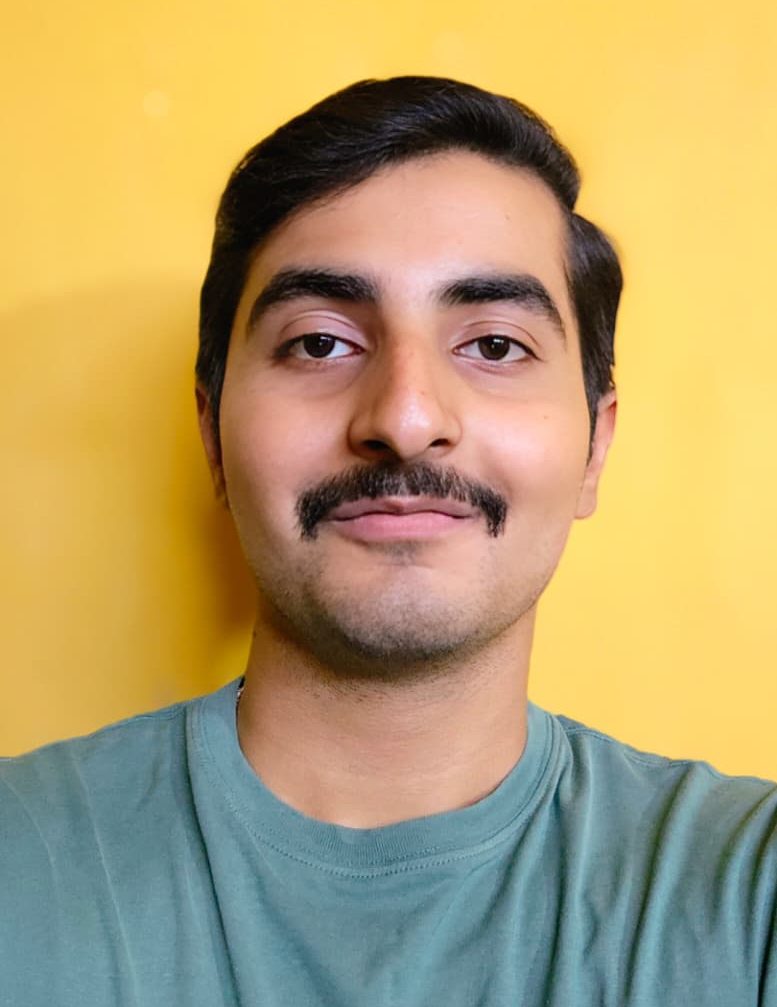
Manuj Kanti Mazumdar
Student of Vedanta
-
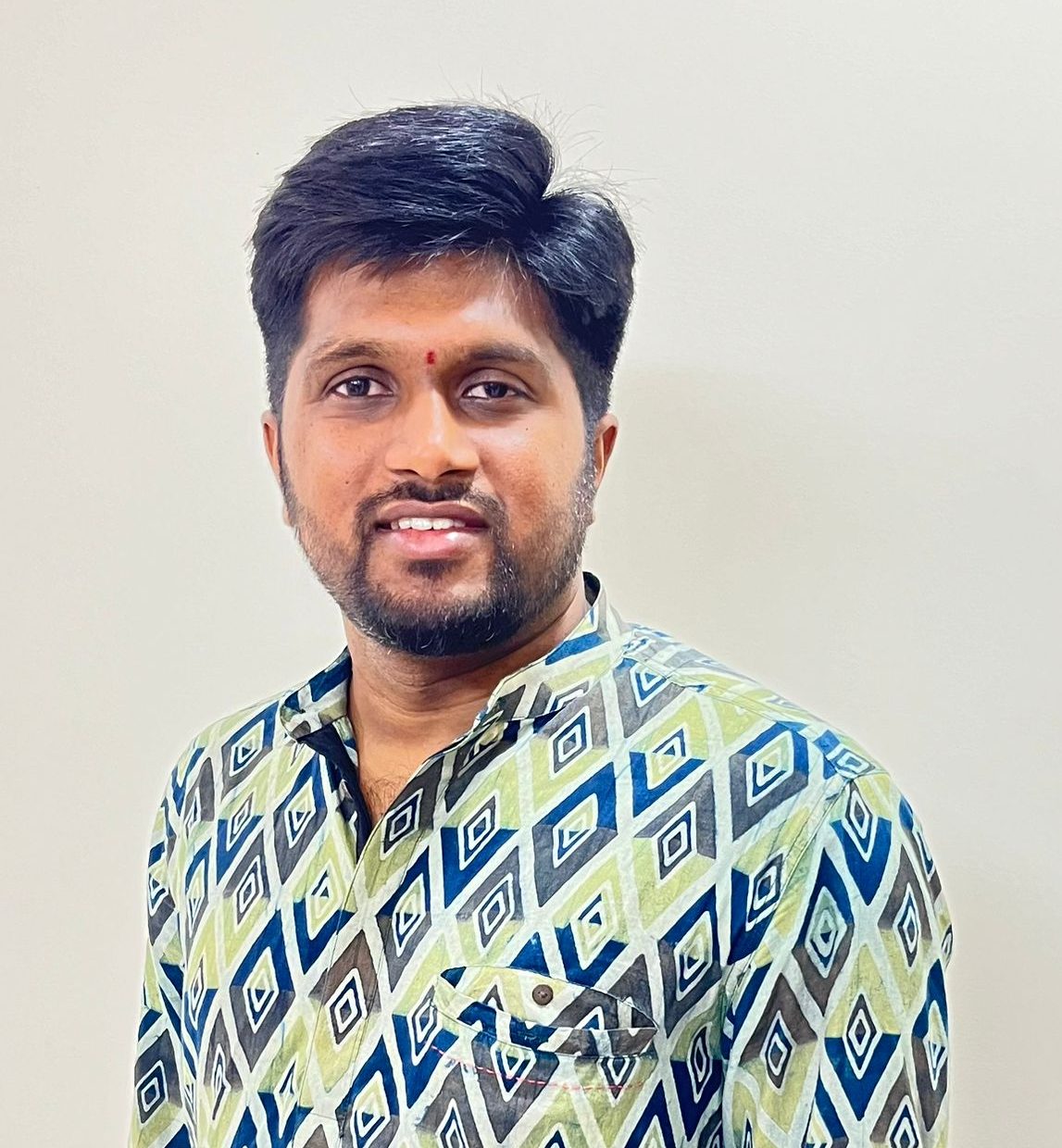
Dr. Ananta Sharma
Assistant Professor, Centre for Indian Knowledge Systems, Chanakya University
-
Vid. Manikandan Iyer
Traditional Vidwan and Banker
-
Rekha Rao
-
Vidwan Dr. Shrihari Shivaram Dhaygude
Assistant Professor, Dept. Of Advaita Vedanta, National Sanskrit University, Tirupati.
-
Dr. Srinivas Jammalamadaka
Director, IKS Research, Brhat Educational Trust | Co-founder, Kameswari Foundation
-
Dr. L. Sowjanya Kumar
Scholar of Mimamsa Shastra and Krishna Yajurveda
-
Vid. M Varadarajan
Traditional Scholar of Vedanta
-
Vid. V Krishna Sharma
Vedanta Scholar. Teacher, Datta Peetham
-
Vidwan Kuvalaya Datta
Traditional Scholar & Teacher of Advaita Vedanta, Datta Peetham, Mysuru
-
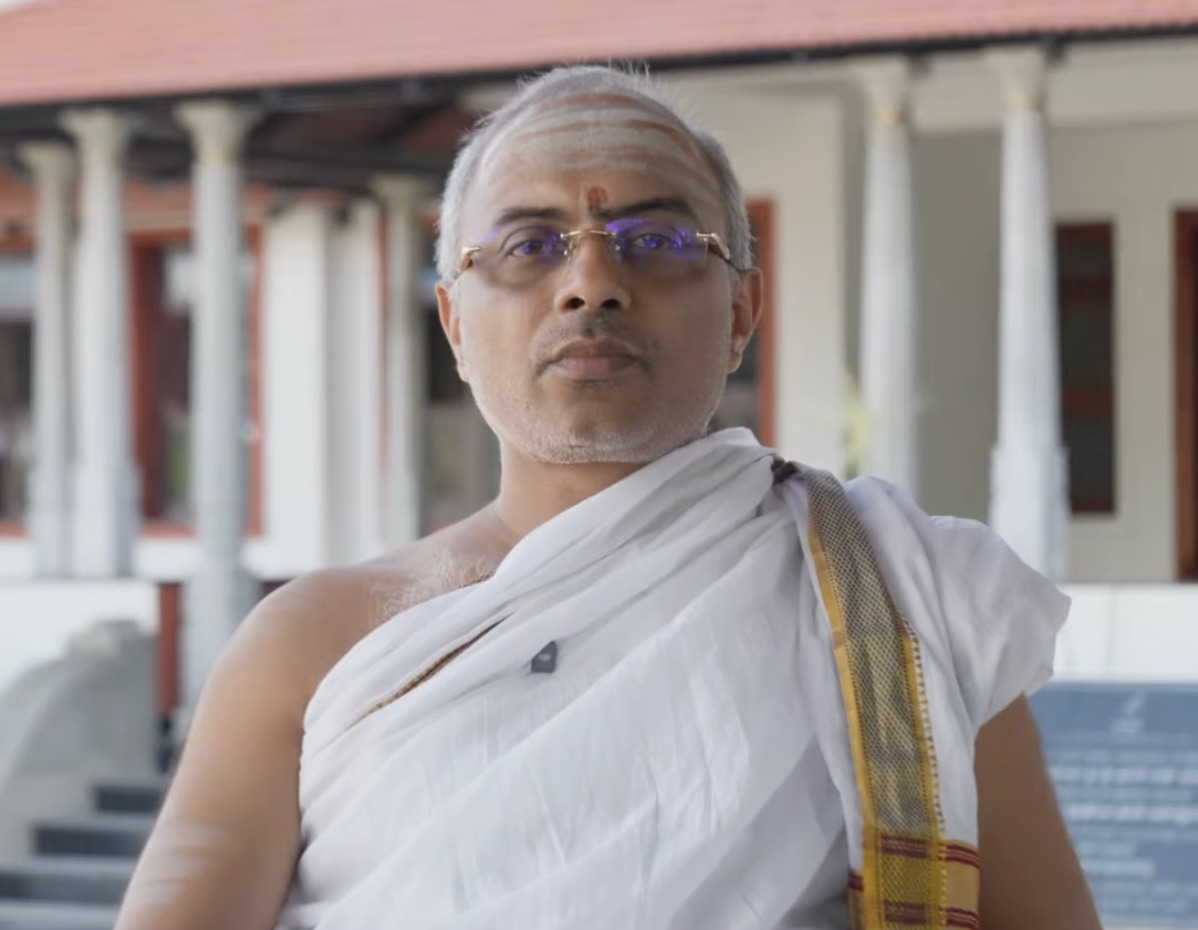
Dr. Chandrashekhar Tekal
Traditional Ayurvedic Physician. Srividya Upasaka.
-
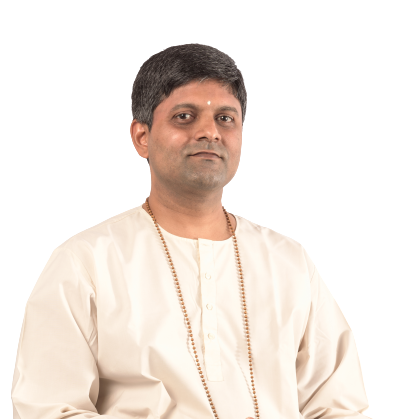
L Ramaswamy
-
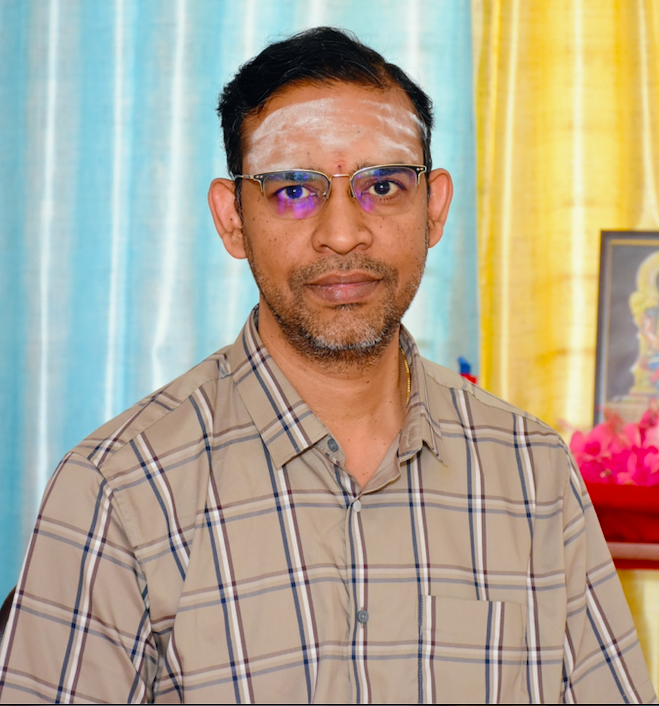
Vid. Goda Anantha Somayaji
-
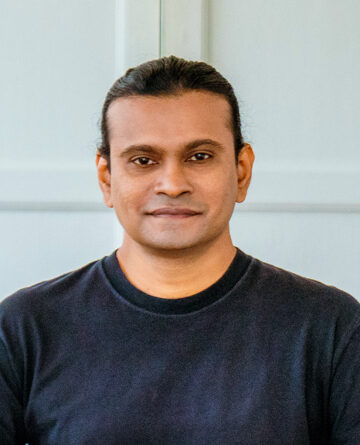
Dr. Kathirasan K
-
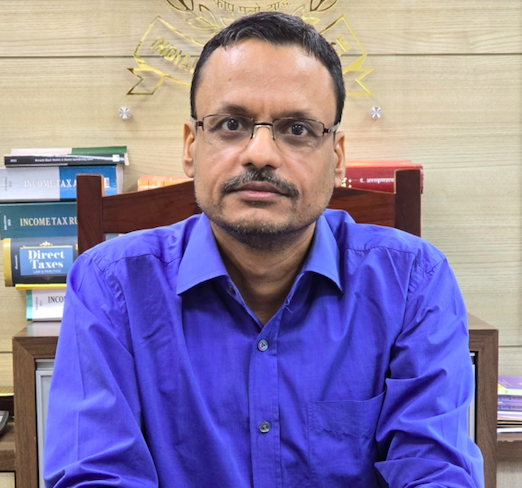
Sudhanshu Shekhar
Additional Commissioner of Income Tax, Pune
-
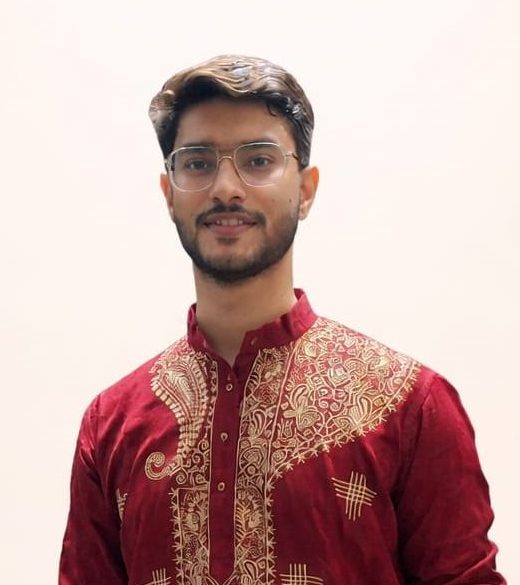
Ashutosh Mukhopadhyay
Student of Vedanta
-
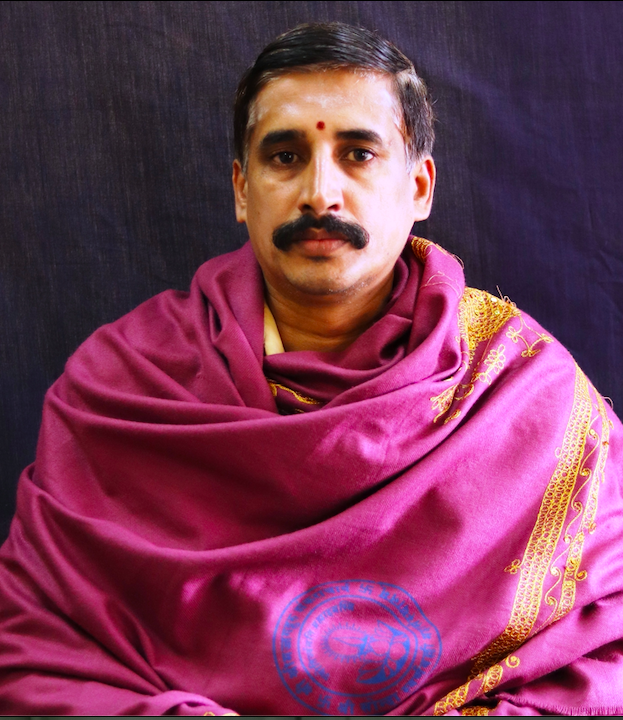
Dr. Ganesh Ishwar Bhat
-

Subhadeep Basu
Vedanta Seeker. Hindustani Classical Musician.
-
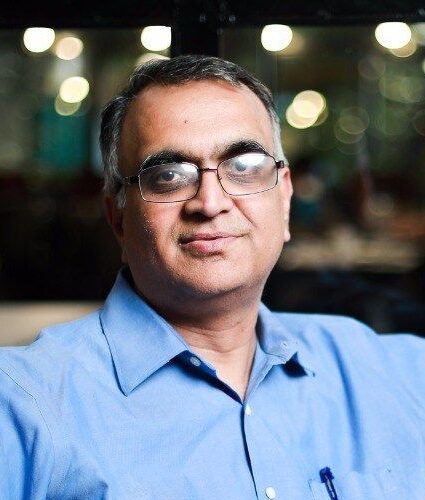
V. Anandkumar
Author. Podcaster.
Categories:
Contact
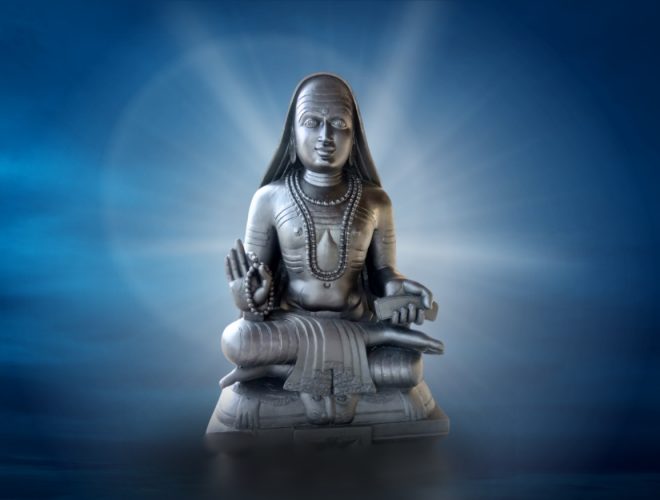
INDICA Center for Moksha Studies is delighted to announce the 7th Edition of the Global Oneness Festival (previously Global Festival of Oneness) — our month-long flagship online celebration dedicated to honoring the timeless life, profound teachings, and enduring legacy of Jagadguru Adi Shankara Bhagavadpadacharya, one of the greatest spiritual luminaries, philosophers, and civilizational visionaries of Bharat.
For the past six years, the Global Oneness Festival has been conceived as a sacred offering of reverence to Adi Shankaracharya and the living Advaita Guru-Parampara — a luminous lineage that has preserved, embodied, and transmitted the highest wisdom of non-duality across generations. Through this annual festival, we come together to celebrate not merely a historical Acharya, but a living presence whose teachings continue to illumine the path of seekers in every age.
Jagadguru Adi Shankara stands as a towering figure in the spiritual and philosophical history of India. At a critical moment in Bharatiya civilization, he revitalized the wisdom of the Upanishads through his profound expositions of Advaita Vedanta, his penetrating commentaries on the Prasthana-traya — the Upanishads, Bhagavad Gita, and Brahma Sutras — and his extraordinary role as a teacher, poet, yogi, debater, bhakta, and institution-builder. In his brief earthly life, he traversed the length and breadth of Bharat, rekindling its spiritual vision, strengthening temple traditions, establishing Mathas, and restoring the unity of dharmic thought and practice.
The Festival invites seekers, scholars, teachers, and spiritual aspirants from around the world to participate in a month-long journey of reflection, study, and celebration. Through a rich series of talks, dialogues, contemplative sessions, and thematic explorations, the festival seeks to rediscover, deepen, and recontextualize the wisdom of Adi Shankaracharya for the contemporary world.
As in previous years, the festival will explore the many dimensions of Bhagavadpadacharya’s contributions — his uncompromising metaphysical clarity, his subtle and expansive vision of oneness, his luminous devotional compositions, his incisive commentarial genius, and his unparalleled role in shaping the spiritual and intellectual landscape of Bharatavarsha. It will also reflect on the continuing relevance of Advaita in addressing the inner and outer challenges of our times: identity, harmony, ethics, leadership, knowledge, culture, and the quest for liberation.
The Global Oneness Festival 2026 is thus not merely a commemorative event; it is an invitation into a living tradition. It is a space where śravaṇa, manana, and nididhyāsana can begin anew; where timeless wisdom meets contemporary inquiry; and where the vision of Oneness is contemplated not only as philosophy, but as the very foundation of inner freedom, cultural rootedness, and universal harmony.
Starting April 21 till May 20, 2025, the festival will feature two daily sessions:
Morning Session: 7:00 AM – 8:00 AM IST
Evening Session: 7:00 PM – 8:00 PM IST
We warmly invite all sages, scholars, seekers, students, and lovers of Sanatana Dharma to join us in this collective offering of reverence and reflection.
Let this be our humble pranama to the eternal wisdom of Advaita and to the radiant lineage that continues to keep alive the vision of Ekatva.
Come, let us celebrate the light of Advaita.
Come, let us contemplate the vision of Oneness.
Come, let us walk once again in the footsteps of Jagadguru Adi Shankaracharya.
SCHEDULE
| Date | Time | Topic | Name of the Speaker |
| 21 April 2026 Tuesday | Morning Session 10:45AM to 11:35AM |
Inaugural Session | |
| 10.45-10.50 AM- Opening Remarks | Nithin Sridhar | ||
| 10.50-11.00 AM- Welcome Address | Hari Vadlamani | ||
| 11.00- 11.30 AM- Inaugural Address | Honorable Finance Minister Smt. Nirmala Sitharaman | ||
| 11.30-11.35 AM- Closing Remarks | Nithin Sridhar |
| 21 April 2026 Tuesday | Evening Session 07:00PM to 08:00PM |
Vedanta and Our Search for Authenticity and Happiness in a Fractured World | Swami Shyamananda |
| 22 April 2026 Wednesday | Morning Session 07:00AM to 08:00AM |
भाष्ये ज्ञानकर्मसमुच्चयखण्डनम् – Criticism of Jnana-Karma-Samuchchaya in Shaankara Bhashyam (Sanskrit Talk) | Sharan Lakshminarayan |
| Evening Session 07:00PM to 08:00PM | Yoga as preparation for Vedanta | Raghu Ananthanarayanan | |
| 23 April 2026 Thursday | Morning Session 07:00AM to 08:00AM |
Ekashloki of Adi Shankaracharya | Swamini Satyavratananda |
| Evening Session 07:00PM to 08:00PM |
Advaita Beyond Bhashyas: What Guides the Yoga Bhrashta Across Every Age | Sundar Rajan | |
| 24 April 2026 Friday | Morning Session 07:00AM to 08:00AM |
Shankaracharya’s Pada and Vakya Bhashyas on the Kena Upanishad: A Comparative Study | Krishna Kashyap |
| Evening Session 07:00PM to 08:00PM |
What Shankara’s Advaita reveals about Leadership, Agency, and Transformation | Prasad Kaipa | |
| 25 April 2026 Saturday | Morning Session 07:00AM to 08:00AM |
Saturday Special Series: Gleanings from Vivekachudamani | Aravinda Rao |
| Evening Session 07:00PM to 08:00PM |
Shankaracharya’s Commentaries: Gracefully Simple, Deeply Profound | Acharya Giridhara Sarma | |
| 26 April 2026 Sunday | Morning Session 07:00AM to 08:00AM |
भगवद्गीता का अवतरण (Hindi Talk) | Mahamandaleshwar Swami Abhishek Chaitanya Giri |
| Evening Session 07:00PM to 08:00PM |
Essence of the Bhagavad Gita for Modern Minds: Book Discussion | Author Gokulmuthu Narayanaswamy | |
| 27 April 2026 Monday | Morning Session 07:00AM to 08:00AM |
ईशोपनिषद्भाष्यानुसारं विद्या-अविद्यासमुच्चयविमर्शः – Shankaracharya’s Analysis of Vidya & Avidya in Ishopanishadbhashya (Sanskrit Talk) | Prof. Mahabaleshwar |
| Evening Session 07:00PM to 08:00PM |
Influence of Adi Shankaracharya on Non-Dual Teachings of Sikh Gurus | Arjun Singh Nirmala | |
| 28 April 2026 Tuesday | Morning Session 07:00AM to 08:00AM |
Adi Shankaracharya on Shiva Bhakti as Moksha Sadhana’ | Saivasastra Sudhee Smt. J Madhangi |
| Evening Session 07:00PM to 08:00PM |
Adi Shankaracharya and Sri Vidya | Ramanan Shastri | |
| 29 April 2026 Wednesday | Morning Session 07:00AM to 08:00AM |
Communicating the Incommunicable: Adhyaropapavada as the Upanishadic Method of Pedagogy | Manjushree Hegde |
| Evening Session 07:00PM to 08:00PM |
अहिंसा की उपासना (Hindi talk) | Swamini Suprabhananda | |
| 30 April 2026 Thursday | Morning Session 07:00AM to 08:00AM |
Noble Cause of Bhagavad Gita According to Shankaracharya | Swamini Paraprajnananda |
| Evening Session 07:00PM to 08:00PM |
Awakening to Oneness: Advaita for the Contemporary Seeker | Aurobind Padiyath | |
| 01 May 2026 Friday | Morning Session 07:00AM to 08:00AM |
An Axiomatic Systematization of Advaita Siddhanta | Vikram Jagannathan |
| Evening Session 07:00PM to 08:00PM |
वेदांत साधना विचार (Hindi Talk) | Swami Prakasananda | |
| 02 May 2026 Saturday | Morning Session 07:00AM to 08:00AM |
Saturday Special Series: Gleanings from Vivekachudamani | Aravinda Rao |
| Evening Session 07:00PM to 08:00PM |
Insights from Shankaracharya’s Prapanchasara Tantra | Shyam Panchapakeshan | |
| 3 May 2026 Sunday | Morning Session 07:00AM to 08:00AM |
Sunday Special Series: Vada & Vidya – Pivotal Dialogues of Adi Shankaracharya | Vid. Shankararama Sharma |
| Evening Session 07:00PM to 08:00PM |
Sacred Sounds of Advaita: Songs & Stories of Shankaracharya |
ChaRitha (Chandana & Supreetha ) | |
| 4 May 2026 Monday | Morning Session 07:00AM to 08:00AM |
Connecting the Dots: Adi Shankaracharya’s Sambandha Bhashya & the Vision of Gita | Br. Soham Chaitanya |
| Evening Session 07:00PM to 08:00PM | The Nuts & Bolts of Vedanta Sadhana | Swami Chidananda | |
| 5 May 2026 Tuesday | Morning Session 07:00AM to 08:00AM |
वेदान्तवाक्यजन्यवृत्तिस्वरूपम्- The Nature of Cognition Arising from Vedāntic Statements (Sanskrit Talk) | Vid. Dr. Ganesh Ishwar Bhat |
| Evening Session 07:00PM to 08:00PM |
Jnana Bhakti Samnvaya in Sankara’s Gita Bhasya | Arunesh Mahadevan | |
| 6 May 2026 Wednesday | Morning Session 07:00AM to 08:00AM |
Brhadaranyaka Upodgatha Bhashyam | Swami Tathagatananda Saraswati |
| Evening Session 07:00PM to 08:00PM |
The Sage Who Gave Everything: Shankara’s Gifts, Seen and Unseen | Arun Vishwanathan | |
| 7 May 2026 Thursday | Morning Session 07:00AM to 08:00AM |
Acharya Shankara’s Drahantakaushalam in Prabodhasudhakara | Dr. M V Guha Vishwanath |
| Evening Session 07:00PM to 08:00PM |
Advaita Vedanta as a global framework for competitive coexistence | Swami Bodhananda | |
| 8 May 2026 Friday | Morning Session 07:00AM to 08:00AM |
Pearls of Wisdom from Shivanandalahari | Vidwan Goda Eswara Sarma |
| Evening Session 07:00PM to 08:00PM |
Crisis of Modern Youth: How Advaita Offers a Way Forward | Ashutosh Mukhopadhyay | |
| 9 May 2026 Saturday | Morning Session 07:00AM to 08:00AM |
Saturday Special Series: Gleanings from Vivekachudamani | Aravinda Rao |
| Evening Session 07:00PM to 08:00PM |
Panel Discussion on Vedanta and Education |
Sri. Vinay Kulkarni (Host) Dr. CA Vishwanathan P Dr. Ashutosh Simha Dr. Dattatreya Dixit |
|
| 10 May 2026 Sunday | Morning Session 07:00AM to 08:00AM |
Sunday Special Series: Vada & Vidya – Pivotal Dialogues of Adi Shankaracharya | Vid. Shankararama Sharma |
| Evening Session 07:00PM to 08:00PM |
Oh Man! Read the Gita: Book Discussion | Author V Anand Kumar | |
| 11 May 2026 Monday | Morning Session 07:00AM to 08:00AM |
Glimpses into Poetic Gems from Stotra of Bhagavatpada | Dr. Sharda Narayanan |
| Evening Session 07:00PM to 08:00PM |
The Sublime and the Self: Shankaracharya’s Aesthetic Thought | Amritanath Bhattacharya | |
| 12 May 2026 Tuesday | Morning Session 07:00AM to 08:00AM |
Bhartrihari, Shankara, and the Interface of Grammar and Vedanta | Dr. Naveen Bhat |
| Evening Session 07:00PM to 08:00PM |
Shankaracharya’s enunciation on Bhakti Yoga | Subhadeep Basu | |
| 13 May 2026 Wednesday | Morning Session 07:00AM to 08:00AM |
Clearing Contradictions – Shankaracharya’s masterful treatment of seemingly contradictory verses in the Bhagavad Geeta | Shatavadhani Lalithadithya Gannavaram |
| Evening Session 07:00PM to 08:00PM |
Is A World Without War Possible? A Vedantic Exploration of Human Conflict | Neema Majmudar | |
| 14 May 2026 Thursday | Morning Session 07:00AM to 08:00AM |
सन्ध्याधिकरणम् – The Vedantic Inquiry into the Dream state | Dr. Ananta Sharma (Chanakya University) |
| Evening Session 07:00PM to 08:00PM |
Sant Dnyaneshwar’s Amrutanubhava in the light of Kevala Advaita | Manuj Kanti Mazumdar | |
| 15 May 2026 Friday | Morning Session 07:00AM to 08:00AM |
Did Adi Shankara Bhagavatpadacharya propound Mayavada? | Vid. Manikandan Iyer |
| Evening Session 07:00PM to 08:00PM |
Beyond the Veil of Matter: Modern Physics through the Lens of Shankara’s Sakshi Chaitanya | Archana Raghuram | |
| 16 May 2026 Saturday | Morning Session 07:00AM to 08:00AM |
Saturday Special Series: Gleanings from Vivekachudamani | Aravinda Rao |
| Evening Session 07:00PM to 08:00PM |
Poetic Imagery of the Gangashtaka Stotram and Its Sculptural Representations | Rekha Rao | |
| 17 May 2026 Sunday | Morning Session 07:00AM to 08:00AM |
Sunday Special Series: Vada & Vidya – Pivotal Dialogues of Adi Shankaracharya | Vid. Shankararama Sharma |
| Evening Session 07:00PM to 08:00PM |
Vakhyartha Sadas on शांकरवाग्वैभवम् | Sadas Adhyaksha: Vidwan Dr. Shrihari Shivaram Dhaygude
Participating Vidwans: |
|
| 18 May 2026 Monday | Morning Session 07:00AM to 08:00AM |
Shankaracharya’s enunciation on Sankhya Yoga in Bhagavad Gita | Dr. Chandrashekhar Tekal |
| Evening Session 07:00PM to 08:00PM |
Transcending Fear: A Vedantic Perspective | L Ramaswamy | |
| 19 May 2026 Tuesday | Morning Session 07:00AM to 08:00AM |
Reflections on Dakshinamoorthy Stotram | Vid. Goda Anantha Somayaji |
| Evening Session 07:00PM to 08:00PM |
The Traditional Guru: Shankara’s Vision | Kathirasan K | |
| 20 May 2026 Wednesday | Morning Session 07:00AM to 08:00AM |
Examination of Time as per Relativity, Nyaya and Advaita Vedanta | Sudhanshu Shekhar |
| Evening Session 07:00PM to 08:00PM |
Valedictory Session Ekatma Dham A Global Centre of Oneness |
Acharya Shankar Sanskritik Ekta Nyas, Govt of MP |
Speakers
Smt. Nirmala Sitharaman
Hon’ble Minister of Finance and Corporate Affairs
Hari Vadlamani
Founder - INDICA, NICE, Co-Hari
Hari Kiran Vadlamani ( Hari) is a Chartered Accountant by qualification and a serial entrepreneur, having been involved in four ventures in Technology and Energy sectors.
He is deeply passionate about Art, Philosophy and Indian Cultural Heritage and is a Dharmic- Indic Liberal.
In 2015 he transformed himself into a Social Entrepreneur pursuing the preservation, protection and promotion of Indian Heritage. He founded INDICA ( www.indica.in) and NICE (www.niceorg.in) , both not for profits in the area of Cultural Education and Entrepreneurship.
Hari brings in an entrepreneurial mindset to his work of delivering indigenous knowledge as a service, product or an experience by incubating a portfolio of ideas, rapid prototyping, absorbing failures, applying a three horizon framework, thinking of scale etc.
Having the mindset of a venture investor, Hari is focussed on backing passionate individuals. He encourages, enables and empowers them to discover, nurture and express their creative potential. He believes in transforming the narrator and not the narrative.
A strong advocate of pluralism, Hari envisions a vibrant ecosystem of diverse set of players and ideas and seeks to build the enabling infrastructure.
Hari believes that Indian thought and the indigenous way of life from various global traditions have solutions to some of the key challenges we face today, especially sustainability, happiness, well-being and peace. He is working on developing the requisite institutional mechanisms that can transform a billion global consumers into conscious thinkers, entrepreneurs, leaders and most importantly seekers.
He has developed a unique six dimensional integral strategy for pursuing this vision.
Nithin Sridhar
Director & Chief Curator, INDICA Moksha
Nithin Sridhar is the Director of INDICA Center for Moksha Studies (previously Advaita Academy) dedicated to create, curate, and promote content on Hindu philosophy with a special focus on Vedanta
He has authored seven books and one book chapter on various aspects of Hindu culture and practice. His first book “Musings On Hinduism” provided an overview of various aspects of Hindu philosophy and society. His book ‘Samanya Dharma’ enunciates upon general tenets of ethics as available in Hindu texts. His book ‘Isopanishad: An English Commentary’ is an English translation and commentary on one of the prominent Hindu texts. However, his most widely read book is “Menstruation Across Cultures: A Historical Perspective” which examines menstruation notions and practices prevalent in different cultures & religions from across the world. His new book titled ‘Chatuh Shloki Manusmriti’ is a commentary on the opening verses of Manusmriti and provides a gateway to understand the purpose, relevance, and subject-matter of Dharmashastras.
He teaches courses on Hinduism for Indica Courses and regularly contributes articles and delivers lectures on religion, spirituality, and culture at various platforms. Earlier, he had also served as the Editor of IndiaFacts- a portal on Indian history and culture. He tweets at @nkgrock.
Swami Shyamananda
Vedanta Teacher
Swami Shyamananda is a monk, scholar, and contemplative practitioner based in Rishikesh, where he has devoted himself to the study and teaching of Vedānta and classical Sanskrit texts since 2016. Before embracing monastic life, he brought over two decades of wide-ranging professional experience across academia, media, government, civil society, and international development.
He began his career as a Lecturer at the Delhi College of Arts and Commerce, University of Delhi, in 1991. His subsequent years saw him work across diverse sectors — in academia, media, NGOs, and government — including a significant period in Odisha (1999–2005), where he was engaged in development work and served as Guest Faculty in the Departments of Development Journalism and Women’s Studies at Utkal University. He also contributed briefly to Danish Church Aid before joining the World Bank, where he served for nearly a decade.
In 2016, following an inner calling, he relinquished his professional career and came to Rishikesh to pursue rigorous traditional study under senior Ācāryas at Kailash Ashram and Satyam Sādhana Kuṭir. He continues to deepen his scholarship in Advaita Vedānta and allied Sanskrit philosophical traditions.
Swami Shyamananda currently offers online courses in Vedānta, and is engaged in study, teaching, and spiritual counseling — accompanying students and seekers on their journey of self-understanding and inner transformation.
Sharan Lakshminarayan
Vedanta Teacher
Sharan (Lakshmi Narayanan) graduated as an engineer in 1997 and spent six years working in a multinational company before transitioning into a life of service with the Ramakrishna Order. His deep aspiration to study Vedanta and Sanskrit through a systematic and traditional approach eventually brought him to the feet of Pujya Sri Swami Dayananda Saraswati. He completed the intensive three-year residential course (2010–2013) at Arsha Vidya Gurukulam, where he had the privilege of serving the Gurukulam in various capacities.
He also taught Sanskrit and Vedic chanting in the sacred environments of Coimbatore and Rishikesh. Since 2015, by the grace of Ishwara and Guru, he has been conducting online classes in Vedanta and Samskrtam, a commitment that continues to this day.
Raghu Ananthanarayanan
Healer. Yogic Leadership Coach. Founder, Ritambhara Ashram.
Raghu Ananthanarayanan is a healer, Yogic leadership coach, and a distinguished organisation consultant. He holds a postgraduate degree in Engineering from the Indian Institute of Technology, Madras.
A long-time student of Yogacharya Krishnamacharya and TKV Desikachari, Raghu taught at the Krishnamacharya Yoga Mandiram for over a decade and has authored several globally acclaimed books on Yoga. He contextualizes ‘Citta Vidya’ to enable individuals and organizations to achieve their highest potential. His approach draws from foundational texts such as the Sankhya, Tripura Rahasya, and the Mahabharata.
Raghu has been instrumental in creating experiential learning methodologies that bridge sanātana (timeless traditions) with nitya-nūtana (contemporary insights). Through long-term engagements with reputed organisations like the Murugappa Group, TCS, and the Claris Group, he has mentored cultural transformations using frameworks rooted in Indic knowledge systems.
His books “Antaranga yoga – the foundation of Indian psychology” “Learning Through Yoga” “SaptaSvara” and “Dhira’s Quest” reflect his years of work in contextualising yoga. “Totally Aligned Organisation” “The 5Seats of Power” “Arjuna the Timeless Metaphor” and “Organizational Development and Alignment – The Tensegrity Mandala”, encapsulate the insights gained from his deep immersion in Indic wisdom and its application in organisational contexts. Raghu has contributed extensively to prestigious journals on individual and organisational development.
Swamini Satyavratananda
Disciple of Swami Dayananda Saraswati and Swami Paramarthananda Saraswati
Swāminī Satyavratānandā Saraswatī is the disciple of H.H Swāmī Dayānanda Saraswatī and H.H Swāmī Paramārthananda Saraswatī. She has studied Vedānta under these traditional ācaryas for over 12 years. She has also studied Sanskṛt, Nyāya, Mīmāṃsā, Sānkhya and Yoga under vedic scholars. Swāminī, after her vedāntic studies, took up the teaching of Bhagavadgītā, Upaniṣads and Prakaraṇa-granthas in English and Telugu for the past 20 years in Chennai. She has been propagating the vedic knowledge by following the footsteps of her Gurus based on vedic tradition.Jnana Yagnas have been conducted by Parama Poojya Swamini at Nellore, Guntur and Chennai.
Sundar Rajan
Technologist
Sundar Rajan is a technologist, project-management leader, and writer known for his ability to bring clarity to complex systems—both technical and contemplative. He has provided thought leadership in methodology, databases, architecture, and enterprise planning across multi-million-dollar public-sector initiatives. With decades of experience in large-scale technology delivery, he pairs analytical depth with long-standing exposure to Advaita Vedānta and contemplative practice. Sundar has published in industry journals, spoken at international technology conferences, and currently leads the PMI Technology Forum in Sacramento. His recent work bridges AI and meditation, exploring how modern tools can shed light on ancient inquiry.
Krishna Kashyap
Teacher of Vedanta
Krishna Kashyap is an engineer and businessman by profession. He holds a Master’s Degree in Engineering from University of Iowa, USA. Currently he is retired and lives in India after working in the USA for about 39 years in various areas of technology and business for several companies. Krishna Kashyap has devoted significant time on the study of Vedanta, Sanskrit and Yoga studies and practice for several decades, from many traditional teachers, with a deep interest in recognizing the similarities and differences across the three great flavors of Vedanta i.e., Advaita, Dvaita and Visistadvaita.
Prasad Kaipa
Prasad Kaipa was a thought leader and a top Management Thinker of Indian origin till 2019. Prasad’s unique approach was in integrating business approaches with brain research and spirituality / wisdom models. In addition to having advised and coached 130+ C-level executives at Fortune 500 companies, he used Bhagavad Gita framework and several interviews with CEOs to co-author a bestselling book “From Smart to Wise” in 2013. He founded the Center of Leadership, Innovation, and Change (CLIC) at the Indian School of Business (ISB) as well as co-founded TiE Silicon Valley’s Entrepreneur Institute, with 13,000+ participants over 10 years.
Since his retirement, he is working with several non-profits (focused on education and youth) and enjoying reflecting on his learnings from Indian spiritual wisdom and focusing on inner transformation. He is the Co-founder of Institute of Indic Wisdom.
Dr. K. Aravinda Rao
DGP (Retd). Vedanta Teacher
Dr. Karanam Aravinda Rao is a retired Director General of Police (Andhra Pradesh), who studied Sanskrit under Maha Mahopadhyaya Padmasri Dr. Sri Pullela Sriramachandrudu and studied Vedanta under Maha Mahopadhyaya Swami Tattvavidananda Saraswati. He has authored many books on Hindu philosophy.
Acharya Giridhara Sarma
Vedanta Acharya. Electronic Engineer.
Giridhara Sarma is an electronic engineer with over 30 years of experience. Trained under Br. Sri. Goda Venkateswara Sastrigal, he studied Tarka and specialized in Mimamsa and Vedanta, including Prasthana Traya Bhashya and key texts.
Since 2018, he has pursued advanced studies in Mimamsa, Vedanta, and Vyakaranam under eminent scholars. He participates in vidwat sadas and workshops, and conducts classes and study groups in Mimamsa and Vedanta.
Mahamandaleshwar Swami Abhishek Chaitanya Giri
Vedanta Teacher and Mahamandaleshwar based in Rishikesh
Swami Abhishek Chaitanya Giri Maharaj is a respected Maha-Mandaleshwar based in Rishikesh, known for his practical compassion, engaging sense of humor, deep commitment to truth, and inspiring ability to guide others. Born as Swarup Pradhan in Maharashtra, he studied Psychology and Behavioral Sciences at Bombay University, where his exposure to the teachings of Pujya Swami Chinmayananda sparked a lasting spiritual calling. His active involvement with Chinmaya Yuva Kendra and subsequent Vedantic studies at Chinmaya Mission shaped his early spiritual foundation, leading him into a life of service, scriptural study, and teaching. Under the guidance of revered teachers such as Swami Anubhavananda, he developed a strong affinity for classical Vedantic texts, and later served as an Acharya at Chinmaya International Residential School, Coimbatore, where his academic background and spiritual insight made him a valued counselor and mentor.
Driven by a quest for deeper scriptural understanding, he eventually stepped beyond institutional life and continued his spiritual journey under Swami Vishwatmananda. His path culminated in his succession under Swami Ramananda of Jagadguru Sannyas Ashram and his formal initiation as Mahamandaleshwar in 2013 in Kashi by Swami Punyananda Maharaj of Niranjani Akhada. Since then, Swami Abhishek Chaitanya Giri Maharaj has become an internationally sought-after speaker on Vedanta and the Yoga Sutras, delivering discourses across India and abroad, including in Southeast Asia and Europe, and representing Hinduism at the Vatican Council in 2015. Alongside his spiritual outreach, he has envisioned compassionate social initiatives, including an old age home for retired swamis and mahatmas, and a hospice for terminally ill HIV patients—reflecting his dedication to both spiritual upliftment and humanitarian service.
Gokulmuthu Narayanaswamy
Director of Product Development at Itron India, Bangalore
Gokulmuthu Narayanaswamy is a devotee and volunteer of Ramakrishna Math. He conducts classes on Bhagavad Gita, Swami Vivekananda, Spiritual Life, Leadership Development and Life Skills to students and professionals. He is a founder of Vivekananda Study Circle in IIT Madras. He is a mentor of Vivekananda Study Circle at IISc Bangalore and Vivekananda Yuvaka Sangha in Halasuru, Bangalore. He is a regular contributor of articles and book reviews to Vedanta Kesari and Prabuddha Bharata, monthly magazines of Ramakrishna Math. His blog at www.practicalphilosophy.in has several of his articles. He is working as Director of Product Development at Itron India, Bangalore. He holds B.Tech in Electrical and Electronics Engineering from IIT Madras, M.Sc (Engg) in Computer Science from IISc Bangalore and M.A in Philosophy, Religion and Culture from Annamalai University. He is currently pursuing Ph.D at IIT Kharagpur as external scholar.
He has recently published a book “Essence of the Bhagavad Gita for Modern Minds” addressing students and professionals.
Dr. Mahabaleshwar Bhat
Principal, Veda Vijnana Shodha Samsthanam Samskrita College
Dr. Mahabaleshwar S. Bhat is a highly qualified and accomplished individual with extensive experience in the field of Vedanta, Yoga, and spirituality. He has served as the Principal of Veda Vijnana Shodha Samsthanam Samskrita College for the past 9 years and has been the Pracharya of Veda Vijnana Gurukulam for 13 years. Dr. Bhat has worked as an Acharya for 14 years and has been a Visiting Faculty (Yoga – Spirituality) at SVYASA University, Bangalore for the past 9 years. He has also trained teachers of Prabodhini Gurukulam and Maitreyi Gurukulam for 10 years. Dr. Bhat is a Ph.D. guide in Vedavijnana Shodha Samsthanam (Research Centre) and is a faculty member there. He is a Vidvaduttama in Advaita Vedanta from Karnataka Samskrita University and has studied under eminent scholars like Dr. Ramachandra G. Bhat, VC, SVYSA University, and Dr. Manidravida Shastri, Chennai. Dr. Bhat has presented research papers in more than 20 national and international seminars on Vedas, Vedanta, and Yoga held in different parts of the country. He has also participated in 10 Shastra Goshthis organized by different Spiritual and Yogic organizations. Dr. Bhat is actively involved in the service and educational activities of Maneesha Foundation, an organization working to inculcate values in youth. He has trained and guided many western Sanskrit scholars in internalizing the practical aspect of Vedanta and has imparted the Vedanta text like Upanishads and Brahmasutras to Brahmacharis and Swamiji at Shri Ramakrishna Math Bangalore. Dr. Bhat has also published a book in Sanskrit, Devataayatanavimarshah, and several articles in various national journals.
Arjun Singh Nirmala
Student of Nirmal Sampradaya
Arjun Singh Nirmala is a student of the Nirmal Sampradaya, a monastic tradition established by Guru Gobind Singh, by dispatching five renounced Sikhs in ochre robes to Varanasi to study the many Śāstras and branches of knowledge. The tradition interprets Gurbani (Sikh Scripture) through a strictly Advaita Vedantic framework. Arjun Singh is a disciple of Sant Darshan Singh Ji Shastri Vedantacharya of Kashi, under whose guidance and tutelage he has pursued studies in Vedanta and Sanskrit alongside a thorough education in Sikh Scripture and history.
Saivasastra Sudhee Smt. J Madhangi
Entrepreneur, Student of Brahmasri Sri Goda Venkateswara Sastrigal
J. Madhangi is an Entrepreneur. Student of Brahmasri Sri Goda Venkateswara Sastrigal
She underwent traditional training under Sastrigal for over 15 years, studying various branches of Shaivism, including Kashmir Shaivism, Shivadvaitam, and Siddhanta Shaivam. She actively participates in Vaakyartham discussions conducted annually by the disciples of Sri Sastri on the occasion of their Paramaguru’s birth anniversary and has contributed to Sri Sastri’s translation and commentary works. Currently studying Saiva grantas from eminent scholar.
She holds a Postgraduate Diploma in Shaiva Siddhantam from Annamalai University and has studied the Meikanda Saitram, the core texts of Shaiva Siddhanta in Tamil Nadu.
She also received traditional training in Devaram under Oduvamurti Sri Naganathan of Kapaleeshwarar Temple, Chennai, and teaches Devaram to interested students.
J. Madhangi has authored several analytical notes on the Tirumurai and written a book titled “Brahmasutra Chatusutri – Srikanta Bhashya Vilakkam.” She has also co-authored two books on Tirumurai:
•
“Tirumurai – Glimpses into Tamil Saiva Poetry”
•
“The Ninth Tirumurai – Text, Translation and Notes”
She regularly delivers special lectures on Agama and Shaiva Shastram.
Ramanan Shastri
Ramanan Shastri is a Hereditary Priest in the Shri Kanchi Kamakoti Kamakshi Ambal Devasthanam. He was raised in the tradition of Shaaktha Marg. He is an initiated disciple of late Brahma Shri Goda Venkateshwara Shastri. His upasana tradition is rooted in the Soubhagya Chintamani of Durvasa Maharshi.
Manjushree Hegde
Research Fellow, Mythik. Advaita Scholar.
Dr. Manjushree Hegde is a Research Fellow at Mythik. She holds a PhD specializing in Indian Philosophy and Advaita Vedānta. Her work bridges classical scholarship and contemporary inquiry, animated by a profound passion for Sanskrit and Indian Knowledge Systems.
Swamini Suprabhananda
Disciple of Pujya Swami Viditatmananda Saraswati
Swamini Suprabhananda Saraswati is a disciple of Pujya Swami Viditatmananda Saraswati, a disciple of Pujya Swami Dayanand Saraswati, (1930 to 2015) who was a great exponent of Vedanta and Hindu scriptures. With the grace of both mahatmas she has got sannyasa diksha from them in the year 2003.
In the year 1990 she came in contact with Swami Viditatmananda Saraswati who is a great Vedanta Acharya and a founder of an institution named Adhyatma Vidya Mandir in Amdavad. Swamiji inspired her to join the long term course in Arsha Vidya Gurukulam, Anaikatty (1995-1998) under Swami Dayananda Saraswati for a profound study of Vedanta as well to have a proper structure of life style of sadhu. In Gurukulam she had a great opportunity to learn Sanskrit grammar with panini sutra and Vedic chanting also along with the in-depth study of Vedanta prasthan trayee : The Upanishads, Bhagavad-Gita and Brahma sutra with Shankar Bhashya and other tikas.
Since 1998 she is in Amdavad. She teaches Vedanta – Bhagavad Gita, Upanishads with Bhashya – tika, prakaran granthas, bhakti granthas, Sanskrit, and Vedic chanting on regular basis. She gives public talks in different towns of Gujarat. she also conducts spiritual camps in different places in India every year.
Swamini Paraprajnananda
Vedanta Teacher
Swamini Paraprajnananda Saraswati is an erudite Sannyasini well versed with the knowledge of the Scriptures-Upanishads, Bhagavad Gita, Brahmasutra and other Vedantic texts. Swamini ji is the student of revered Swami Viditatmananda Saraswatiji, President of Arsha Vidya Gurukulam, Saylorsburg, P.A. (U.S.A.) and is the resident Sannyasini of Adhyatma Vidya Mandir.
Swamini Paraprajnananda Saraswati has been teaching Vedanta for the past 20 years in Ahmedabad and different cities of Gujarat. The depth of Swaminiji’s wisdom and her art of teaching which is at once profound and lucid make her an expert teacher from whom learning is a joy.
Aurobind Padiyath
Vedanta Teacher
Aurobind Padiyath was born in the mid-1950s into a family deeply rooted in dharma, where early spiritual impressions were shaped by his grandmother through devotion, pilgrimages to Guruvayoor, and stories from the Bhagavata Purana and Narayaniyam. Though professionally trained as a Mechanical Engineer and engaged in over thirty-five years of industrial service, his enduring passion remained the study of Indian spirituality and Advaita Vedanta.
Inspired in adolescence by the teachings of Swami Chinmayananda, he later undertook formal study as a Brahmachari at Chinmaya Mission and continued learning under revered teachers including Swami Harinamananda, Swami Krishnananda, and Swami Kaivalyananda. Deeply grounded in the traditional study of Adi Shankaracharya’s bhashyas in Sanskrit, he has since devoted himself to teaching Vedanta in English, offering a clear and rigorous approach for modern seekers. His work reflects a lifelong journey of study, contemplation, and the living assimilation of Advaita.
Vikram Jagannathan
Technologist. Student-Seeker of Vedanta.
Vikram Jagannathan is a student-seeker of Vedanta, deeply inspired by Pujya Swami Chinmayananda Maharaj, inwardly guided by Bhagavan Ramana Maharishi, and currently studying Advaita dialectics in greater depth under Pujya Acharya Jaishankar ji. Trained as an engineer with a B.Tech and an MS, he works as a technologist in the USA, and is also completing an MBA. He continues his Sanskrit svadhyaya with longstanding interests in quantum physics, number theory, and, above all, self-inquiry through His grace.
Swami Prakasananda
Peethadhipati of Gyana Saraswati Peetham in Vijayawada and Brahmavidya Matham in Eluru
Swami Prakasananda is a dedicated spiritual teacher rooted in the timeless tradition of Advaita Vedanta. Born and brought up in a small village near Brahmapur, Odisha, he left home at the young age of 19 in search of truth and chose to live among mahatmas, dedicating his life to spiritual inquiry and sadhana.
He is a student of the revered Kailash Ashram, Rishikesh, and has also studied in the tradition of Arsha Vidya under Swami Dayananda Saraswati, drawing from both classical scriptural learning and the living guru-shishya parampara.
Swami Prakasananda presently serves as the Peethadhipati of Gyana Saraswati Peetham in Vijayawada and Brahmavidya Matham in Eluru, where he continues to guide seekers on the path of self-knowledge and inner transformation.
Deeply committed to sharing spiritual wisdom at the grassroots level, he is actively engaged in conducting satsangs in nearby villages, bringing the teachings of Sanatana Dharma and Vedanta closer to common people.
Dr. Shyam Panchapakeshan
Leads NERD lab, SASTRA university
Dr. Shyam Panchapakesan is a dedicated researcher and academic who seamlessly bridges the realms of cutting-edge scientific inquiry and Indian Knowledge Systems (IKS). He holds B.Tech and PhD degrees in Life Sciences, complemented by post-doctoral research experience at Yale University. After relocating to India in 2023, he now leads the Nucleic acids Engineering Research and Development (NERD) lab at SASTRA University. Parallel to his scientific career, he is a profound scholar of ancient philosophical texts with a specialized focus on the Shakta and Shaiva traditions. He frequently delivers comprehensive discourses on Sri Vidhya, Advaita Vedanta, and Tantra Shastra.
Based in the historic town of Thiruvaiyaru, Tamil Nadu, Dr. Panchapakesan draws immense inspiration from the revered Kanchi Kamakoti Peetam. Guided by this inspiration, he is devoted to living and teaching the core values of Sanatana Dharma. His enduring commitment to spiritual education and cultural stewardship was honored in 2022 with an official citation from the Connecticut General Assembly for his dedicated service to the Hindu community.
Vid. Shankararama Sharma
Traditional Vidwan and Techno-Linguistic Scholar at Vyoma Linguistic Labs
Vidwan Shankarararama Sharma, a dedicated researcher pursuing a PhD at IISc, Bangalore, is a proficient Sanskrit scholar. Initiated into the teachings of the Bhagavad Gita at the age of 4 by his mother, he earned the blessings of the Jagadgurus of Sringeri and Kanchi in 2013 for memorizing the entire scripture.
Having accomplished the Pravesha exam by Surasaraswathi Sabha of Sringeri, he holds an MA degree in Advaita Vedanta from Karnataka Sanskrit University, guided by his grandfather, Mahamahopadhyaya Dr Krishnamurthi Sastrigal. Currently engaged in writing Shastra Pareekshas in Tenali, he began his Vedadhyana under his paternal grandfather Sri Ramalinga Sarma and continues it under Sri Ananthesha Sarma.
Shankarararama Sharma has conducted Ramayana Navahams and Bhagavata Saptahams multiple times, delivering discourses in Tamil, Kannada, and English. His repertoire includes various Parayanams and discourses on spiritual topics.
He serves as a techno-linguistic scholar at Vyoma Linguistic Labs. He strives to use technology for the prachara and seva of Samskrita Mata.
ChaRitha (Chandana & Supreetha)
ChaRitha brings together two passionate musicians, Chandana Muralidhara and Supreetha Pradeep, who blend their unique musical journeys to create a vibrant shared musical identity. Rooted in Hindustani classical music, their performances seamlessly span genres from devotional and folk to contemporary music, reflecting their belief that music transcends boundaries. ChaRitha has performed at numerous concerts and cultural platforms across cities, including the prestigious Temple Festival of Bangalore – Gudiya Sambhrama 2026. Their Bhajan Jamming Sessions lately have also received immense appreciation from audiences.
Supreetha Pradeep, a Network Engineer based in Bangalore, began her musical training under Prasanna Korthi and Vinayak Hegde, and currently continues under Vidushi Mowna Ramachandra. She has appeared on national platforms such as Indian Idol Junior and was among the Top 5 finalists of SaReGaMaPa Lil Champs. She is also a recipient of the Young Achievers Award from the Rotary Club and Swarashree Music Academy.
Chandana Muralidhara, a BCA Data Science graduate currently working in the corporate sector, initially trained under Vidushi Prathima Athreya and now continues under Ustad Faiyaz Khan. She has performed at the AKKA Convention (USA) and the Mysore Dussehra celebrations at Jaganmohan Palace, and is a B High Grade artist with All India Radio in the Devaranama category. She also holds records in the India Book of Records and Asia Book of Records for her 16 Languages Folk Mashup.
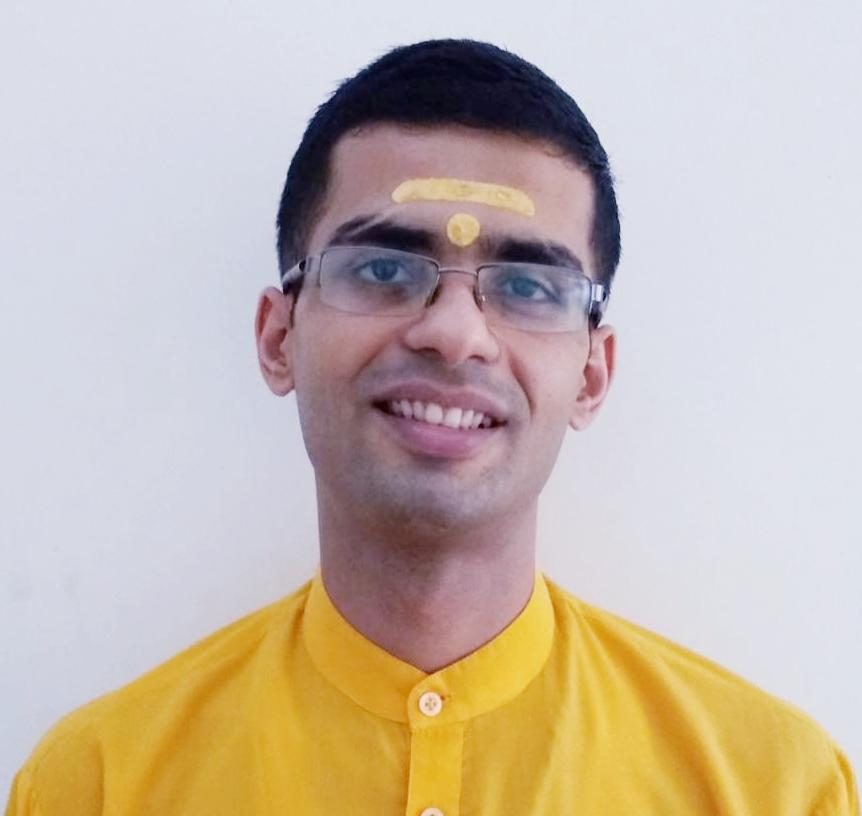
Swami Chidananda
Vedanta Teacher
Swami Chidananda is known as a competent teacher of Vedanta and an excellent speaker on various topics of human values, self-knowledge, and self-enquiry. He was drawn to Pujya Swami Chinmayanandaji in 1980, joined the master’s ashram in Mumbai in 1984, and served the Chinmaya Mission for 18 years in India and USA. He taught two Residential Vedanta courses during the time and several of his students of those days are Swamis and Swaminis in different parts of the world.
Shri Ramana Maharshi and Jiddu Krishnamurti had a great impact on this scholar. He spent 10 years at the Krishnamurti Center in Varanasi (2003 – 2013).
Since 2006, he has been heading the FOWAI FORUM, where FOWAI stands for ‘Flame of Who am I?’.
He is the author of several books like The Equanimous Mind, Erase the Ego and Light on Right Living. He has spoken on various texts and more than 500 of his talks can be seen on YouTube at FOWAI.
Over the years he has delivered talks at academic institutions including IIMs, ISB and IITs; addressed audiences on corporate platforms like Microsoft India, Infosys Hyderabad and, in USA, Lucent Technologies. He represented Hinduism at a conference in Italy organized by the Vatican in 2015, during which he also met Pope Francis. Earlier this year, he participated in the Parliament of the World’s Religions in Chicago.
Based in Mumbai since 2022, he is all set to open an ashram called Jnana Shakti, at a village in Maharashtra, less than 3 hours of drive from either Mumbai or Pune.
Br. Soham Chaitanya
Vedanta Sadhaka.
Brahmachari Soham Chaitanya was born in a spiritual family devoted to Chinmaya Mission. The opportunity to listen to satsangs from various Swamins and Brahmacharins introduced him to spirituality from a very young age. An engineer by background, Soham ji worked as a Research Engineer in Colorado after graduating with a Masters degree from the University of California Berkeley.
Listening to the Bhagavad Gita discourses by Poojya Gurudev Swami Chinmayananda ji and Ramayana discourses by Poojya Guruji Swami Tejomayananda ji brought him to Sandeepany Sadhanalaya in Mumbai. He completed the 17th Vedanta Course under the guidance of Poojya Swami Swaroopananda ji and under the tutelage of Poojya Swami Bodhatmananda ji.
Prior to joining Sandeepany in 2017, Soham ji served at Chinmaya Mission centers in San Jose, CA and Los Angeles, CA for five years, facilitating youth and adult study groups.
Soham ji loves playing the harmonium, singing bhajans and dwelling on the scriptures which talk about the nature of happiness.
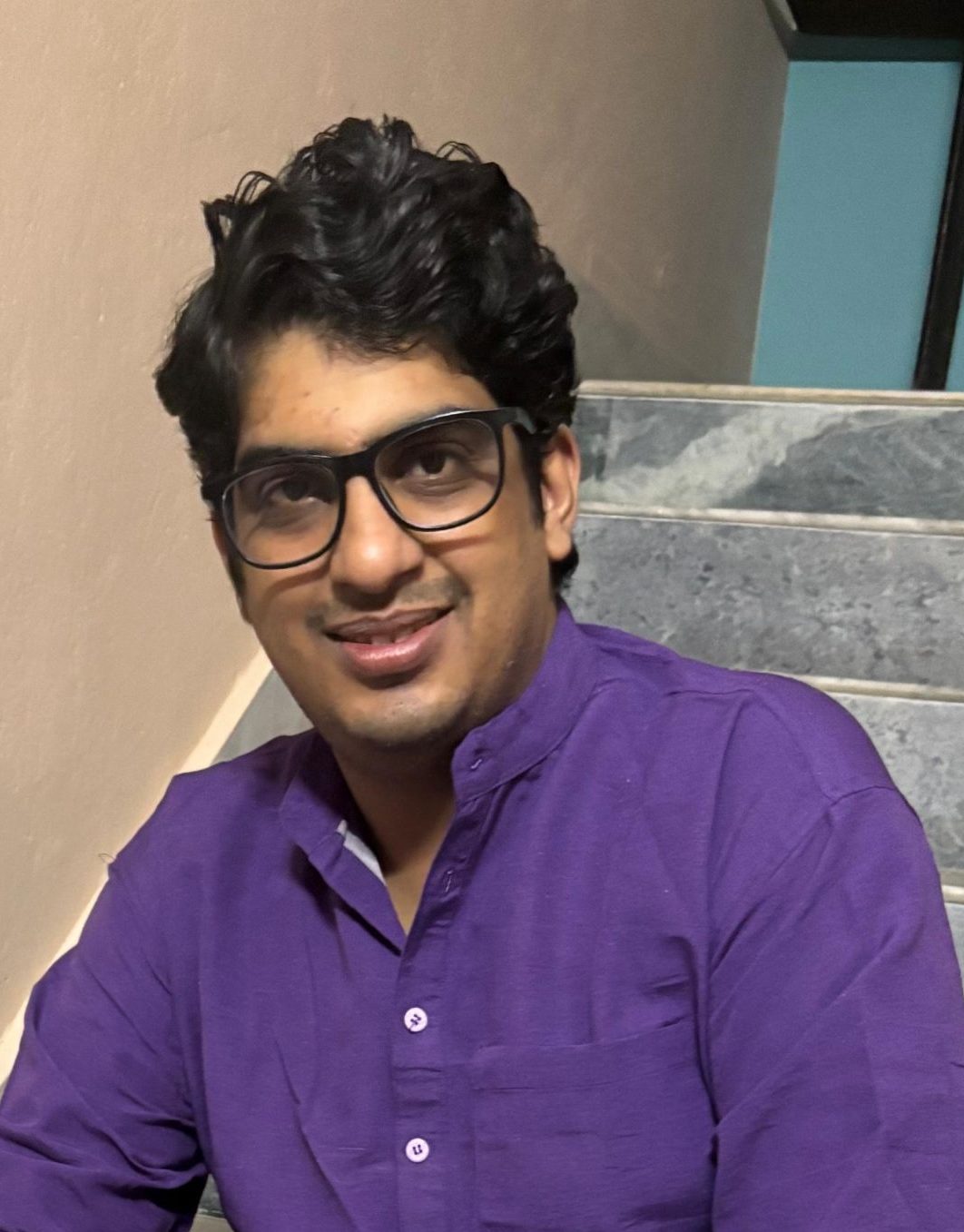
Arunesh Mahadevan
Student of Vedanta
Arunesh Mahadevan was born to a culturally diverse family, where his father was a Tamilian and his mother was from Uttar Pradesh. Both of his parents served in the Central Government, and due to their postings in Odisha, Arunachal Pradesh, Karnataka, and West Bengal, he was exposed to diverse cultures across India from an early age. He completed his schooling in Darjeeling and Calicut, and pursued Electrical and Electronics Engineering from Anna University Chennai. He is presently working at the Bokaro Steel Plant, Steel Authority of India Limited and is based out of Bokaro Jharkhand. Although he was raised in a devout Hindu family, especially influenced by his mother’s deep engagement with the Ramayana and Devi worship, he was not fully satisfied and developed a desire to understand the deeper philosophical and logical foundations of Vedic Dharma.
This quest led him to dive deeply into the study of Vedanta in 2011, beginning with a copy of Bhaja Govindam from gifted by his college chemistry professor. Over time, he developed a deep interest in the teachings of Adi Sankaracharya which have since shaped his intellectual and spiritual journey. In his study of Vedanta, he has been deeply influenced by the works of Swami Vivekananda, Swami Chinmayananda, Swami Dayananda Saraswati, Swami Gambhirananda in English; Swami Akhandananda Saraswati in Hindi; and Swami Paramarthananda and Swami Omkarananda in Tamil. He remains deeply indebted to the grace of the Acharyas of Sringeri Parampara. He has been engaged in understanding Classical Advaita Vedanta by integrating insights from the Bhagavad Gita, Upanishads, Puranas, and Itihasas. He is also interested in Western and contemporary philosophies and is particularly influenced by the works of Byung-Chul Han. He believes that tradition has much to offer to the modern world and that preserving and understanding this stream of spiritual wisdom in the form of Advaita Vedanta, in its most authentic form, is important for Hindu spiritual revival. He does not consider himself a scholar, but a sincere seeker attempting to understand, live, and share this philosophy with others.
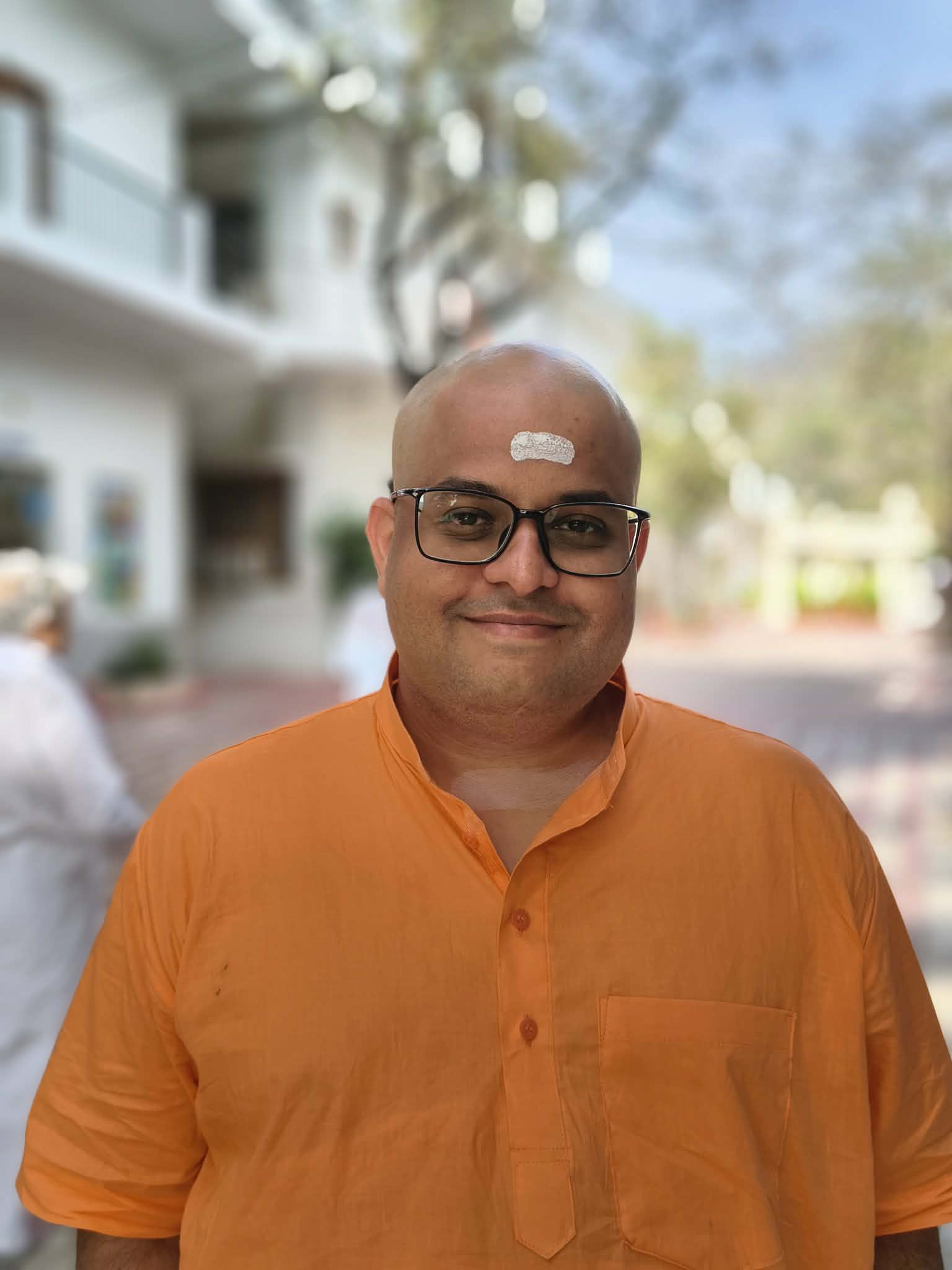
Swami Tathagatananda Saraswati
Vedanta Teacher
Swami Tathagatananda Saraswati had the blessed opportunity to study Vedanta under Swami Tattvavidananda Saraswati and Dr Rajit Biswas. He holds a PhD in Economics from Jawaharlal Nehru University, New Delhi.
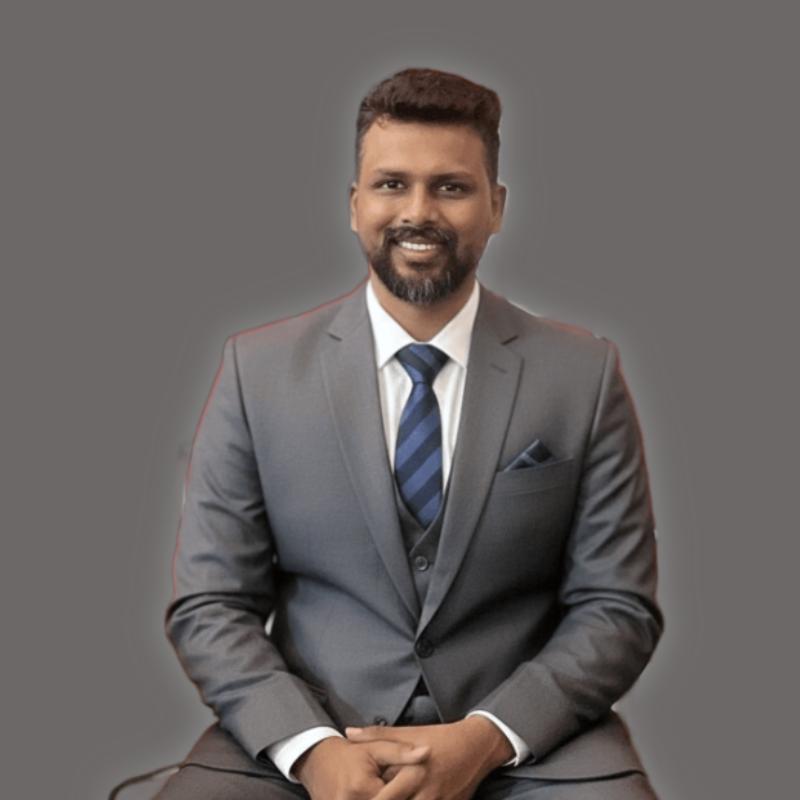
Arun Vishwanathan
Arun Vishwanathan is a Regional Sales Manager, specializing in tech for enterprise.
At the core of everything Arun does is a sincere practice of Advaita Vedanta. He draws from Adi Shankara’s teachings not as abstract philosophy, but as a practical lens for decision-making and modern life — a tradition further illuminated for him through the self-inquiry teachings of Ramana Maharshi.
He shares ideas on markets, technology, and Indian philosophy on X.
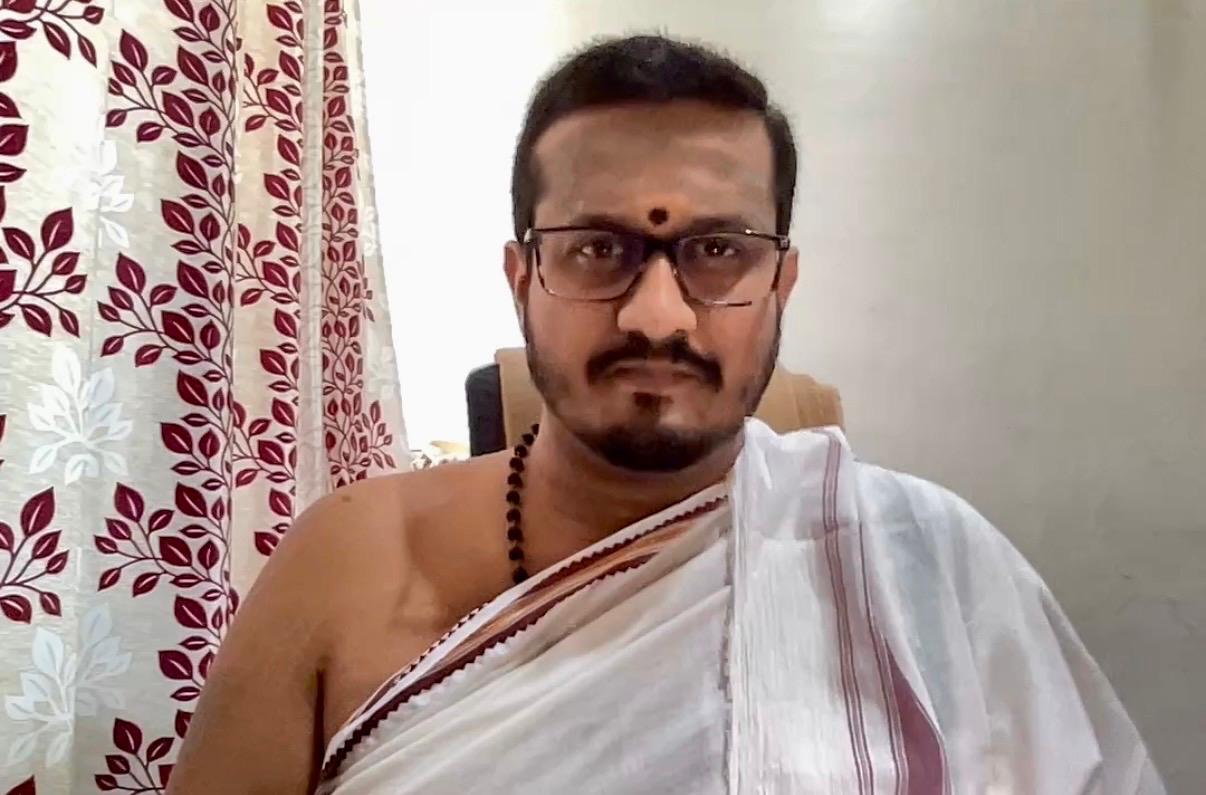
Dr. M V Guha Vishwanath
Adjunct Professor, Department of Heritage Sciences and Technology, IIT Hyderabad
Dr. Guha Vishwanath M V is a versatile Sanskrit scholar and educator based in Mysore, India, recognised for his multilingual instruction of Sanskrit shastras and deep expertise in Vedic literature, Indian philosophy, astrology (Jyotisha), and classical Sanskrit poetics. He currently serves as Adjunct Professor at the Department of Heritage Sciences, IIT Hyderabad, and is the Chief Astrology Consultant at WeWake Spiritual Sutra Pvt. Ltd., besides leading a research project on Ramakatha funded by the Ministry of Education. Dr. Vishwanath holds a PhD from Banaras Hindu University, with research focused on discourse in the Valmiki Ramayana, and multiple postgraduate degrees in Sanskrit literature and Jyotisha with distinction. Over his academic career, he has taught at esteemed universities including Kameshwar Singh Darbhanga Sanskrit University and Amrita Vishwa Vidyapeetham, and has provided independent instruction in Vedas, poetics, and astrology since 2005. His research portfolio includes project leadership, publication of scholarly articles and books, and ongoing work translating significant Sanskrit texts into regional languages. An active participant and convener in numerous national and international seminars, Dr. Vishwanath is also associated with institutions and yoga foundations worldwide, offering advanced lectures in Upanishads, Yoga, and Samkhya philosophy. His core skills encompass advanced Jyotisha analysis, Sanskrit literature, and curriculum design, while his creative pursuits include publishing, audio-visual content, and participation in traditional and modern knowledge dissemination. Dr. Vishwanath’s dynamic involvement in academic, spiritual, and literary circles demonstrates a rare blend of scholarship, pedagogy, and community engagement.
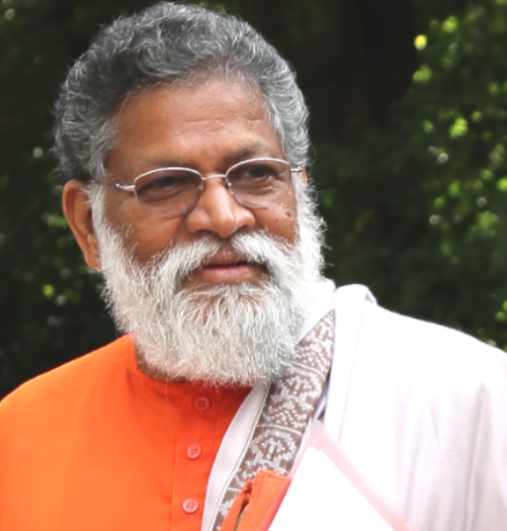
Swami Bodhananda Saraswati
Vedanta Teacher
Swami Bodhananda Saraswati is an Indian spiritual leader and teacher of meditation, Yoga and Vedanta. He is the Spiritual Founder and Chairman of the Sambodh Foundation in India, The Sambodh Society Inc. USA, Sambodh Center for Human Excellence (Michigan), and the Bodhananda Research Foundation for Management and Leadership Studies. He is a native of Kochi. He traveled to the Himalayas after his studies to learn Advaita. He then setup his own research institution in Delhi. He teaches about Advaita, meditation and management. His publications in the area of Indian management are based on Indian philosophical theories on personality, self unfoldment, as explained in the Bhagavad Gita and other Indian wisdom texts. He develops a theory of transcendental leadership that emphasizes the human possibilities. On the impact of yoga on the emotional intelligence of managers, Swami Bodhananda believes that “it is very important to live in constant awareness of oneself so that one has power over one’s thoughts, and can choose responses to the world as per one’s values
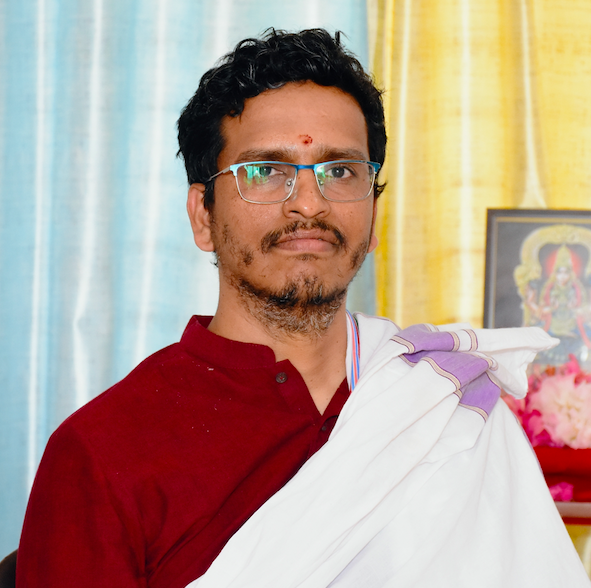
Vidwan Goda Eswara Sarma
Sri Goda Eswar is the younger son and disciple of the venerated pandit (brahmibhuta) “Advaita Siddhi Ratnakara” “Vidya Vachaspati” “Srividya Ratnam” Dr.Goda Venkateswara Sastri ànd Smt Goda Suryakumari. Sri Sastrigal was a rare confluence of being a (nishnatha) scholar par excellence in both brahmavidya and Srividya. Sri Sastrigal had delivered Vaakyartha over 3 decades at Kanchi Mutt, Sringeri Mutt, Shakatapuram and other traditional Mutts . He took classes in Sastras and Tantra at his residence, Shankara Gurukulam, Bharatiya Vidya Bhavan etc and guided innumerable Shisyas in this path. He had authored, translated, critically edited multiple books in Srividhya Upasana and Vedanta.
Having obtained training in basic texts like Tarka Sangraha since young age from his Father and Guru; Shri Eswar completed Prastantraya; learned advanced texts in Vedanta and other Sastras and also passed many levels of Tenali exams. He got firm grounding in sastras and is delivering vaakyarthas regularly at Sadas held at Kanchi Mutt, Sri Gnananandanatha Nilayam Vidwat Sadas and various other institutions. He was initiated into Srividya by his Guru, Sri Amruteswaryamba Sameta Sri Amrutanandanatha.
Following the foot steps of his Guru, Shri Eswar along with his brother is conducting annual Vidwat Sadas and Satachandi homam on the Jayanthi of his Paramaguru and Guru; currently he is pursuing higher texts in Mimamsa from Shri Devananthan and is teaching classes in sastras to junior shisyas, also, occasionally deliver lectures on Shivanadalarhari and multiple other Shankara Stotras at Sampradaya Patashasala, Tirupati and other forums like Dharmadhenu youtube channel; He is alumni of prestigious IITM and apart from his mundane professional duties and he also performs Navavarana pujas regularly .
Vinay Kulkarni
Entrepreneur. Educator.
Vinay Kulkarni brings over 25 years of global experience in business management and wellness as an entrepreneur, advisor, educator, and marketer. His focus spans business transformation and the meaningful integration of Dharmic principles into organizational practice. He created the Dharmic Enterprise Framework, a model that helps organizations align profit with purpose and evolve as Dharmic enterprises. In Bengaluru, he established a cultural center housing The Upadesha Academy (IKS based workshops & retreats), Darshana Books & Gifts (Indic), and Samvada Bistro—where he explores his passion for fusion cuisine blending traditional Indian and international flavors—alongside ventures including ALCHMI, Sanskritishaala (cultural workshops for children & youth), and Sanathani.com (Indic merchandise). Through this ecosystem, he works to embed Dharmic principles across business, education, and governance.
Vinay partners with educational institutions on curriculum design and pedagogical innovation, drawing on Indian Knowledge Systems. He is passionate about using games in pedagogy and conducts leadership, spiritual, and faculty development retreats. Through e-Com Elephant, he designs and operates e-commerce platforms for emerging brands. His work marries enduring principles of IKS to contemporary challenges. Based in Bengaluru, Vinay regularly shares his thinking through www.vinaykulkarni.com and his LinkedIn newsletter, “Dharmic Ideas & Insights.”
Dr. CA. Vishwanathan P
CEO - Vyoma Linguistic Labs Foundation
Dr. CA. Viswanathan P is an accomplished professional, bridging traditional Indian knowledge systems with contemporary finance, accounting and corporate governance. Holding an Acharya (MA) in Alankarashastra from National Sanskrit University, Tirupati, he brings over 25 years of experience in imparting knowledge in Sanskrit, shlokas, Bhagavad Gita, and private exams conducted by prestigious organizations.
A Chartered Accountant and Company Secretary, Viswanathan has over 20 years of experience in Finance, Audit, Governance, and Compliance, working with organizations like Unilever, Shell, KPMG, Nike, Tata Motors and PWC. He holds a Ph.D. in the area of “Finance, Accounts, and Auditing from Ancient Indian Knowledge Systems” from S-VYASA University, Bangalore.
He trains employees and students on Finance and Indic Knowledge Systems and serves as adjunct faculty at Christ University, BOS member in BNMIT. Viswanathan conducts workshops on Sanskrit and Indian texts and has delivered lectures across USA and Singapore. He also performs traditional ‘Parayana’ and ‘Upanyasa’ on epics like the Ramayana and Bhagavad Gita.
Complementing his professional pursuits, Viswanathan is an active member of Aapatsahaaya Foundation, a registered public charitable trust dedicated to providing quality education to Rural Tribal and Government school children.
Dr. Ashutosh Simha
Professor, Jyoti Institute of Technology, Bangalore. Senior Member, Vedanta Bharati
Dr. Ashutosh Simha completed his doctoral degree from the Indian Institute of Science in 2018 in the field of Geometric Control theory. Subsequently he worked as a post doctoral researcher in the Institute of Cybernetics, Estonia on nonlinear systems and control, and later at TU Delft on IoT systems and robotics. He now works as a consultant for UAV Defense Systems, and a Professor in computer science at Jyoti Institute of Technology, Bangalore, as well as an adjunct faculty at the National Institute of Advanced Studies, Bangalore. Apart from his scientific research, he is also deeply rooted in Vedic studies, and serves as senior member at Vedanta Bharati.
Dattatreya Dixit
Sanskrit Scholar, Translator, and Practitioner-Educator
Dr. Dattatreya Dixit is a Sanskrit scholar, translator, and practitioner-educator whose work lives at the confluence of Advaita Vedānta, Yoga philosophy, and Indian Knowledge Systems. With a PhD in Advaita Vedānta and Yoga Philosophy, he brings decades of śāstric engagement — from Nyāya and Kāvya to Śaṅkara’s Gītā Bhāṣya and Kṛṣṇa Yajurveda — taught across gurukula and institutional settings in Bengaluru. His over 350 Sanskrit language orientation programs for overseas scholars make him one of the most experienced bridges between traditional pedagogy and global learners, while his Veda and Yoga-based personality development and stress management programs have touched more than 4,500 school and college students. As former coordinator of the Manisha Foundation, he has worked to bring Bhāratīya values into the lives of a younger generation — not as abstract ideals, but as living practice.
Vid. Shankararama Sharma
Traditional Vidwan and Techno-Linguistic Scholar at Vyoma Linguistic Labs
Vidwan Shankarararama Sharma, a dedicated researcher pursuing a PhD at IISc, Bangalore, is a proficient Sanskrit scholar. Initiated into the teachings of the Bhagavad Gita at the age of 4 by his mother, he earned the blessings of the Jagadgurus of Sringeri and Kanchi in 2013 for memorizing the entire scripture.
Having accomplished the Pravesha exam by Surasaraswathi Sabha of Sringeri, he holds an MA degree in Advaita Vedanta from Karnataka Sanskrit University, guided by his grandfather, Mahamahopadhyaya Dr Krishnamurthi Sastrigal. Currently engaged in writing Shastra Pareekshas in Tenali, he began his Vedadhyana under his paternal grandfather Sri Ramalinga Sarma and continues it under Sri Ananthesha Sarma.
Shankarararama Sharma has conducted Ramayana Navahams and Bhagavata Saptahams multiple times, delivering discourses in Tamil, Kannada, and English. His repertoire includes various Parayanams and discourses on spiritual topics.
He serves as a techno-linguistic scholar at Vyoma Linguistic Labs. He strives to use technology for the prachara and seva of Samskrita Mata.
Dr. Sharda Narayanan
Sharda Narayanan holds Doctorate in Sanskrit studies from Jawaharlal Nehru University, New Delhi, as also M.Sc. (Physics) and M.A. (Sanskrit) from Bangalore University, after completing Samskrita Sahitya Exams at Sri Chamarajendra Wodeyar Samskrit College, Bengaluru. She currently teaches Indian Philosophy, Sanskrit language, Natya Sastra and Literary Theory at Dr M.G.R. Janaki College for Women, Chennai. she has many seminar presentations and published papers to her credit, in national and international forums such as World Sanskrit Conferences in Edinburgh, Bangkok, Vancouver and recently at Kathmandu where she presented a comparison between Tirumurai and Sanskrit poetry. She has made several presentations at Symposia conducted by IndicA Today in the past few years and serves as Faculty at Sri Siddhanta Knowledge Foundation for Course Development in IKS.
She has authored several books on Sastra and poetry, edited two volumes of papers presented at Swadeshi Indology Conference 3: Studies in Tamil Civilization: Land of Dharma and Fount of Culture and has also participated in the team of CSU to translate the book, The Battle for Sanskrit by Rajiv Malhotra into Sanskrit. She has received Citations from Indoi Chennai LitFest in 2021 and Rotary Dronacharya Award in 2025 for her work in Indic Knowledge Systems.
Amritanath Bhattacharya
Author, Poet, Editor & Independent Researcher
Amritanath Bhattacharya (pen name: Rik Amrit) is an Indian writer, poet, editor, and independent researcher with a focus on literature, aesthetics, and Indian knowledge systems. He serves as Editor-in-Chief of Poorvam International Journal of Creative Arts and Cultural Expressions, a peer-reviewed journal devoted to Indian aesthetics, performing arts, and cultural studies. His scholarly work engages deeply with Bharata’s Nātyaśāstra, Indian dramaturgy, and the philosophical underpinnings of art. A creative practitioner as well as a researcher, he is the author of Two Plays and remains actively involved in editorial and research initiatives that explore the intersections of classical Indic thought and contemporary cultural discourse.
Dr. Naveen Bhat
Dr. Naveen Bhat is Associate Professor at the Centre for Indian Knowledge Systems, Chanakya University, Bengaluru. A humble student of the Pāṇinian grammatical tradition, he completed his undergraduate, postgraduate, and doctoral studies at the Central Sanskrit University, with a specialisation in Pāṇinian grammar – a discipline he has pursued with both rigorous traditional training and modern linguistic method.
With over a decade of experience in academics and research, Dr. Bhat’s scholarly interests span Pāṇinian grammar, manuscriptology, linguistic philosophy, and the Bhāratīya Arthaśāstra tradition, with particular attention to statecraft as treated by Panini and other grammatical traditions. He has led, and has been leading multiple government and institutionally funded research projects, and has been guiding doctoral scholars from India and abroad.
Beyond his academic pursuits, Dr. Bhat is a storyteller and writer in Kannada, better known to his readers by his pen name Naveen Gangotri. He has published five books in Kannada and one in English – among them are Śaṅka (ಸಂಕ) and Kathāgata (ಕಥಾಗತ), the latter a collection of pellucid narratives tracing milestones from Indian history. He frequently writes for various Kannada dailies and periodicals—both print and online—such as Prajavani, Utthana, and Vikrama.
As a translator, Dr. Bhat works across Kannada, English, and Sanskrit, and has contributed to several large-scale translation projects. His Kannada adaptation of Kauṇḍa Bhaṭṭa’s Vaiyākaraṇa Bhūṣaṇa-sāra (ವೈಯಾಕರಣ ಭೂಷಣ ಸಾರ) – a classical Sanskrit work on the semantics of Pāṇinian grammar – was funded and published by the Government of Karnataka. He has also translated William Dalrymple’s Nine Lives into Kannada as Navajīvagaḷu (ನವಜೀವಗಳು), bringing that celebrated work to Kannada readers.
Neema Majmudar
Neema Majmudar has a unique combination of personal background, international exposure, education and depth of spiritual knowledge which makes her an inspiring writer and teacher of Indian Philosophy. She has studied Indian Philosophy with Swami Dayananda Saraswati, a well-known contemporary teacher of Advaita Vedanta (Non Duality) in the tradition of Adi Sankaracarya and a scholar in Sanskrit. In addition to the traditional Vedic studies, Neema Majmudar has number of years of experience as a professional with the United Nations in field of economic and social development in New York, Thailand and Fiji. She also has Masters Degree in International Affairs from Columbia University, New York. Since 1999, Neema has been giving conferences, conducting seminars and retreats across the world in the domain of Personal Development and Philosophy. The seminars and retreats she conducts with her husband Surya Tahora incorporate concepts of Indian Philosophy with Western Psychology, Ethics, Physics, Neurobiology and Management. These activities are aimed at guiding individuals and leaders of various organizations to be more objective, dynamic and compassionate in an increasingly interconnected and complex world. They have created a bilingual website in French and English https://wisdomofrishis.com/ which explains in a modern style the vision of the traditional teaching of Advaita Vedanta with numerous links to articles and videos of their talks. She and her husband have co-authored the book ‘Living the Vision of Oneness’, which expounds the ways in which the vision of Bhagavad Gita and Veda can be utilized in daily life. Recently, Neema and her students Nandini & Saloni have published a beautifully illustrated book titled ‘Finding meaning in life with the Bhagavad Gita’. This book gives profound insights into the teachings of Lord Krishna by explaining, analyzing and elaborating on forty-five key verses of the Gita especially chosen for their logic, wisdom, and practicality.
Shatavadhani Lalithadithya Gannavaram
Shatavadhani Lalithadithya Gannavaram (born Sept 2000) completed his BS in Aerospace Engineering and Sanskrit BA with Honors Thesis on Kautilya’s Arthashastra from the University of Texas at Austin. He is a Shishya of the Sringeri Jagadgurus, and direct student of Jagadguru Sri Vidhushekhara Bharati Mahasvami. He studied Tarkashastra from “Darshanalankara” Bra.Sri. Vishvanatha Gopalakrishnashastri garu. He has also studied other shastras from pandits such as Sri Vempati Kutumba Shastrygaru, Sri Chirravuri Padmanabha Sharmagaru. Currently pursuing further shastric studies in Sri Sringeri Sharada Peetham, he performed his first shatavadhana at the age of 19, and went on to complete a total of 3 Shatavadhanas in Telugu and Sanskrit in India, as well as Ashtavadhanas in both languages in India, the US, and Canada, and has received titles such as śatāvadhānaśatadhṛti and śatāvadhānaśaraccandra. He has given numerous Pravachanas on Ramayana, Bhagavata, Bhagavadgita, Shankaradigvijaya, etc and has written Shatakas glorifying Lakshmi Narasimha, Khandakavyas in Sanskrit and Telugu, and a Telugu Kavya named “Abhinava Shankara Vijaya” detailing the charitra of the 33rd Jagadguru of the Sringeri Sharada Peetha.
Manuj Kanti Mazumdar
Student of Vedanta
Manuj Kanti Mazumdar, originally from Bengal, began his spiritual journey at a remarkably young age. He was introduced to Vedanta at the age of 12 through the sacred text Jnaneshwari, which became the foundation of his early philosophical and spiritual inquiry.
Before dedicating himself more deeply to the path of spiritual learning, he was pursuing law at the Oriental University. His formal grounding in Vedantic study was further shaped under the guidance of Swami Shyamananda of Kailash Ashram, with whom he studied in the traditional lineage.
He also shares an association with the Arsha Vidya tradition through Jai Shankar Narayan Ji, enriching his exposure to classical Vedantic teachings through multiple respected streams of the guru-shishya parampara.
Dr. Ananta Sharma
Assistant Professor, Centre for Indian Knowledge Systems, Chanakya University
Dr. Ananta Sharma is an Assistant Professor at the Centre for Indian Knowledge Systems, School of Arts, Humanities and Social Sciences, Chanakya University, Bengaluru. He received twelve years of traditional gurukula training from an early age, studying the Vedas, Śāstras, Yoga, and fine arts alongside modern academic disciplines. He later pursued formal higher education, earning a Bachelor’s degree, two Master’s degrees, and a Ph.D. in Advaita Vedānta after qualifying the UGC–NET with JRF. His academic work focuses on Bhāratīya Darśana-s, Advaita Vedānta, Indian Knowledge Systems, cultural studies, and Indian classical music.
He has years-long teaching in several prestigious institutions like, Veda Vijnana Shodha Samsthāna, Maitreyee Gurukulam, Amrita Vishwa Vidyapeetham at Bengaluru campus and at Amaravati campus as the Chairperson of Amrita Darshanam – International Centre for Spiritual Studies.
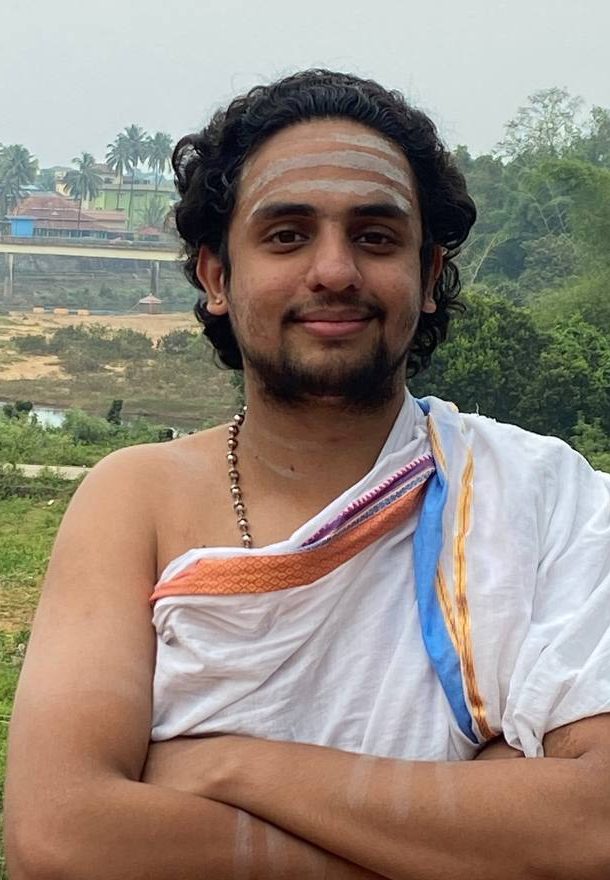
Vid. Manikandan Iyer
Traditional Vidwan and Banker
Vidwan Manikandan Iyer, a Banker by profession, and a Sanatani by practice, with Sharada’s blessings has had the rare fortune of studying the shastras from a tender age. He also studied and continues to study Vyakarana from Vidwan.Sri.Tilak Rao. He traditionally started his Vedanta study under his Guru Brahmasri Sri Sridhara sharma. He has also had the rare fortune of learning Vedanta from the most senior and respected vidwan in the vedanta circle Mahamahopadhyaya Shastra Ratnakara Vidwan Sri Mullaivasal Krishnamurthy shastri while continuing to learn under Brahmasri Sri Sridhara Sharma.He also has the rare fortune of studying tarka shastra from Vidwan Sri.Naveen Holla of sringeri (senior most disciple of the 36th pontiff of Sringeri Saradapeetham Mahasannidhanam Sri Sri Bharatitirtha Mahaswamiji).
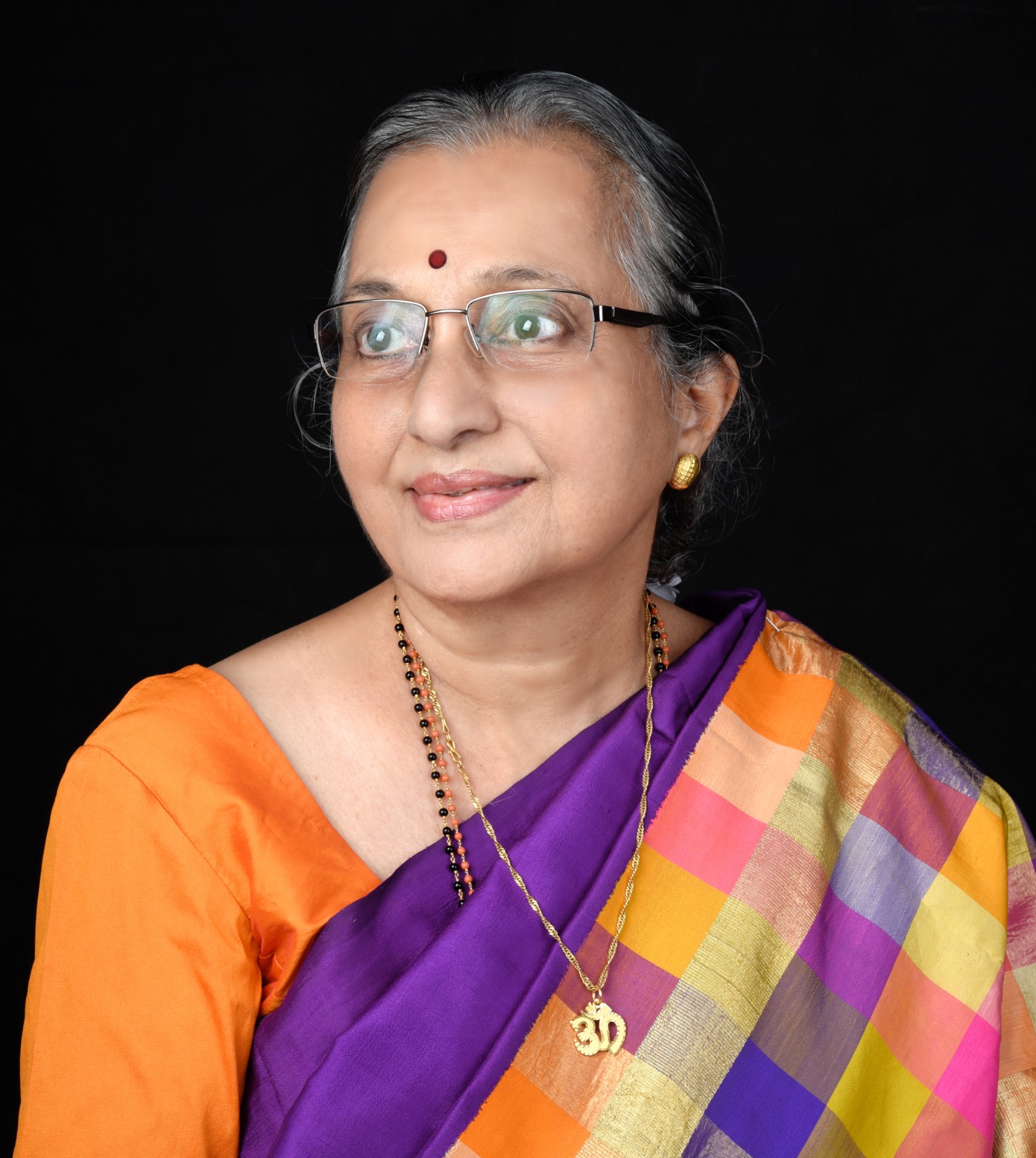
Rekha Rao
Rekha Rao is an independent scholar of Indology with a master’s degree from the University of Mysore. She trained under Dr. S. R. Rao, former Deputy Director-General of the Archaeological Survey of India, and has pursued sustained independent research since 2010.
Her research focuses on Indian temple architecture and iconography, with particular emphasis on interpreting Indus Valley seals, devadasi and apsara sculptures, and Buddhist architectural traditions. Her work employs an interdisciplinary methodology that integrates Vedic and Sanskrit textual analysis with archaeological and visual evidence, offering original perspectives on ongoing debates in Indian art history and cultural studies.
Rao is the author of 19 books and numerous research articles published in international journals and on academic platforms such as Academia.edu and India Facts. Her writings significantly advance understanding of Indian art, ritual traditions, and cultural history, making complex subjects accessible to both academic and general audiences. Her books, available in print and digital formats on Amazon, reflect her enduring commitment to research and to disseminating knowledge.
Author page: https://www.amazon.com/Rekha-Rao/e/B001ICGTHM
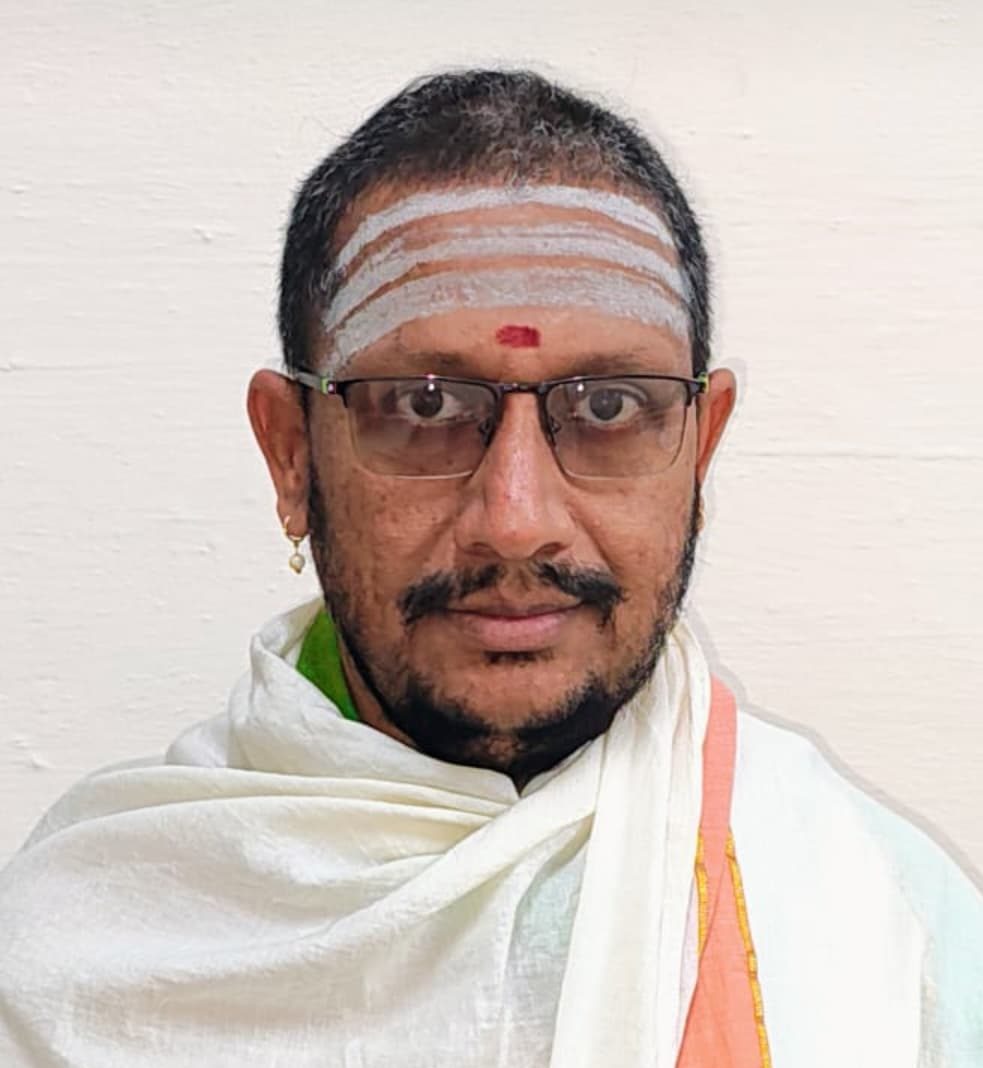
Vidwan Dr. Shrihari Shivaram Dhaygude
Assistant Professor, Dept. Of Advaita Vedanta, National Sanskrit University, Tirupati.
Dr. Shrihari Dhaygude is a traditional scholar of Nyaya and Advaita Vedanta Shastras. Dr. Shrihari completed his adhyayana of Rigveda under his father
He studied Nyaya shastra under the tutelage of Mahamahopadhyaya Dr. Devadatta Govinda Patil and competed his Vedanta-adhyayana under the tutelage of Mahamahopadhyaya Dr. R. Mani Dravida Sastrigal.
Dr. Shrihari completed Tenali exams in Advaita Vedanta. He holds a Doctorate degree in Advaita Vedanta from NSU, Tirupati.
He is currently working as the Assistant professor in the department of Advaita Vedanta at National Sanskrit University, Tirupati.
He is conferred with accolades such as Vedanta Ratnam by Kanchi Kamakoti Peetham.
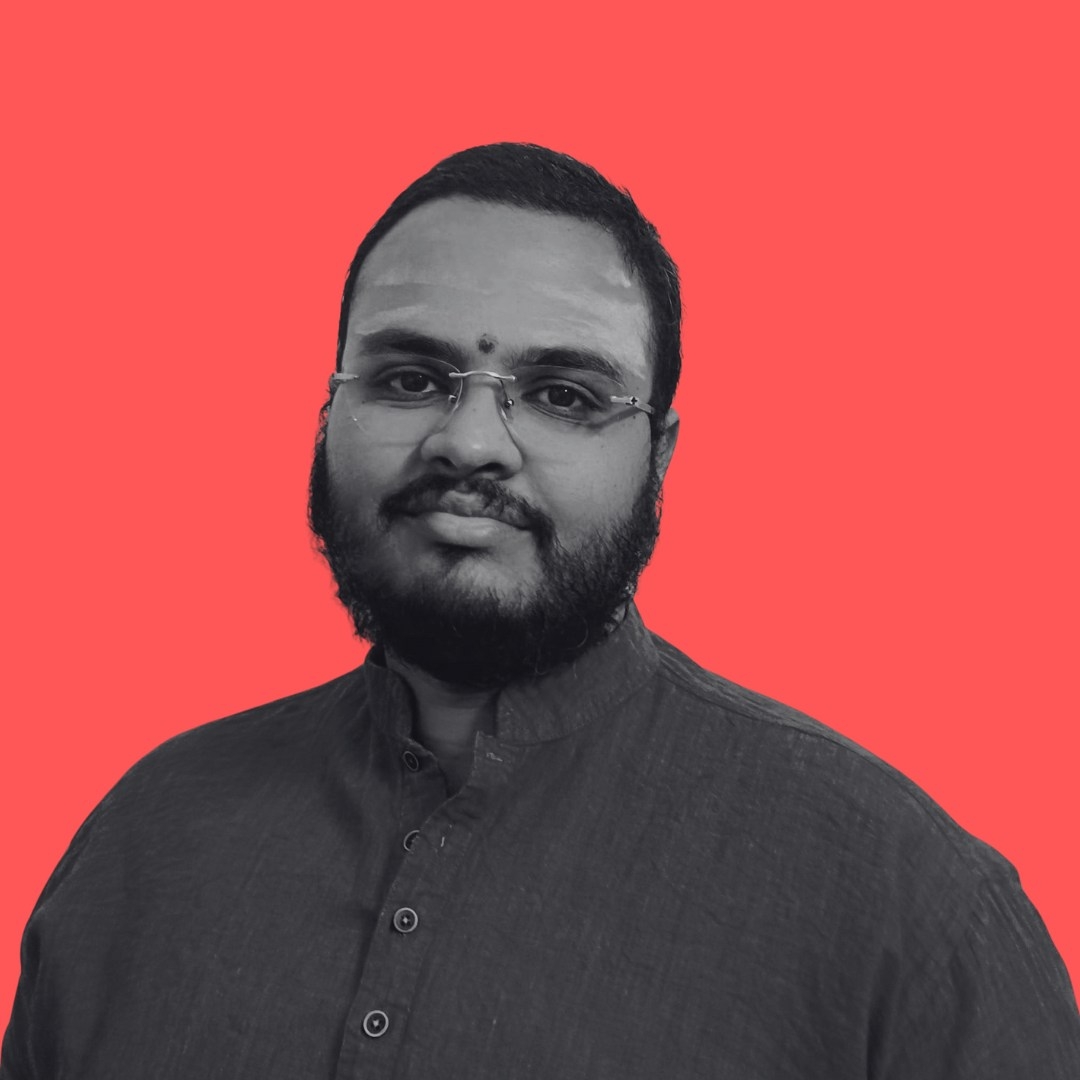
Dr. Srinivas Jammalamadaka
Director, IKS Research, Brhat Educational Trust | Co-founder, Kameswari Foundation
Srinivas Jammalamadaka studied Nyaya/Tarka Shastra, Advaita Vedanta, and Vyakarana under eminent Gurus in Gurukula Paddhati. He has completed the Tenali exams in Tarka Shastra and appeared for the Tenali exams in Advaita Vedanta. He has completed MPhil & PhD in Nyaya shastra. He has worked as Assistant Professor and served as Director of the School of Shastric Learning, Kavikulaguru Kalidas Sanskrit University, Ramtek. He is the co-founder of Sri Kameswari Foundation and is currently working as Director for IKS Research in Brhat Educational Trust He has been conferred awards such as – Tarka-Ratnam & Vidwan Mani by Sri Kanchi Shankaracharya, Shastrakalanidhi by Madhya Pradesh State Governor.
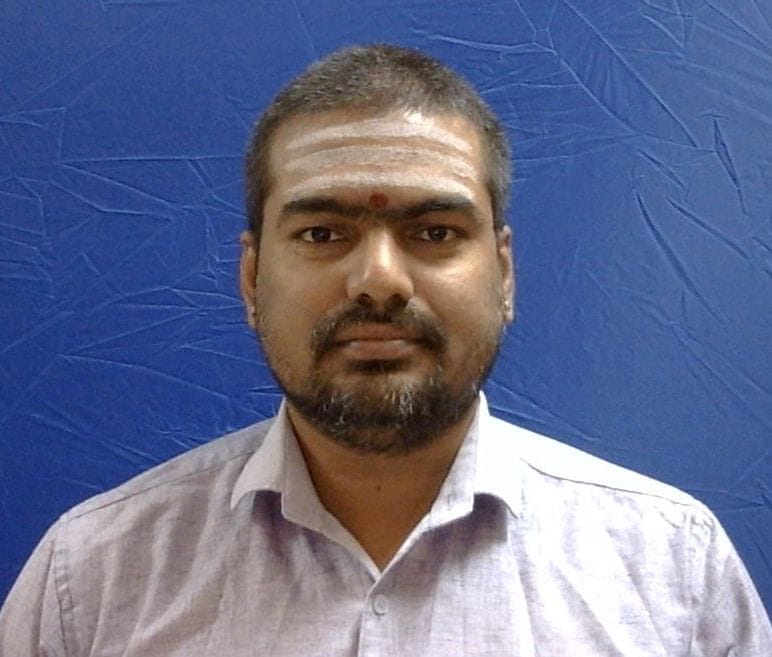
Dr. L. Sowjanya Kumar
Scholar of Mimamsa Shastra and Krishna Yajurveda
Dr. L. Sowjanya Kumar is a distinguished scholar of Mīmāṃsā Śāstra and Krishna Yajurveda, whose traditional Śāstrādhyayana spans decades of rigorous study under some of India’s foremost academic and traditional institutions. He pursued advanced study in Mīmāṃsā under the guidance of Brahmaśrī Dr. Maṇi Drāviḍa Śāstrī — completing the Tenali examination of the Veda Vedānta Śāstra Sabhā with First Class — and has earned a Ph.D. from Sri Venkateśwara Vedic University, Tirupati, with a thesis engaging the nuanced epistemological positions of Khaṇḍadeva on the problem of Bhāvanā. His Vedic training is equally deep: he completed Yajurveda Kramānta at the Raja Veda Kavya Pāṭaśālā, Kumbakonam, and received the Saṃhitānta Pūrtīparīkṣā from the Maharṣi Sāndīpani Rāṣṭrīya Veda Vidyā Pratiṣṭhānam, Ujjain — an institution under the Ministry of Human Resource Development, Government of India. His scholarship has been recognized by institutions of the highest traditional authority, including the Śṛṅgerī Śāradā Pīṭham, which honoured him with the Vidyā Nidhi Puraskār and a gold medal for excellence in Mīmāṃsā, and by the Madras Sanskrit College, which conferred on him the title Mīmāṃsā Śāstra Viśārada. A practitioner equally at home in Vākyārtha Sadas and university classrooms, Dr. Sowjanya Kumar brings to his teaching and research the rare integration of Vedic recitation, Śāstric depth, and formal academic formation.
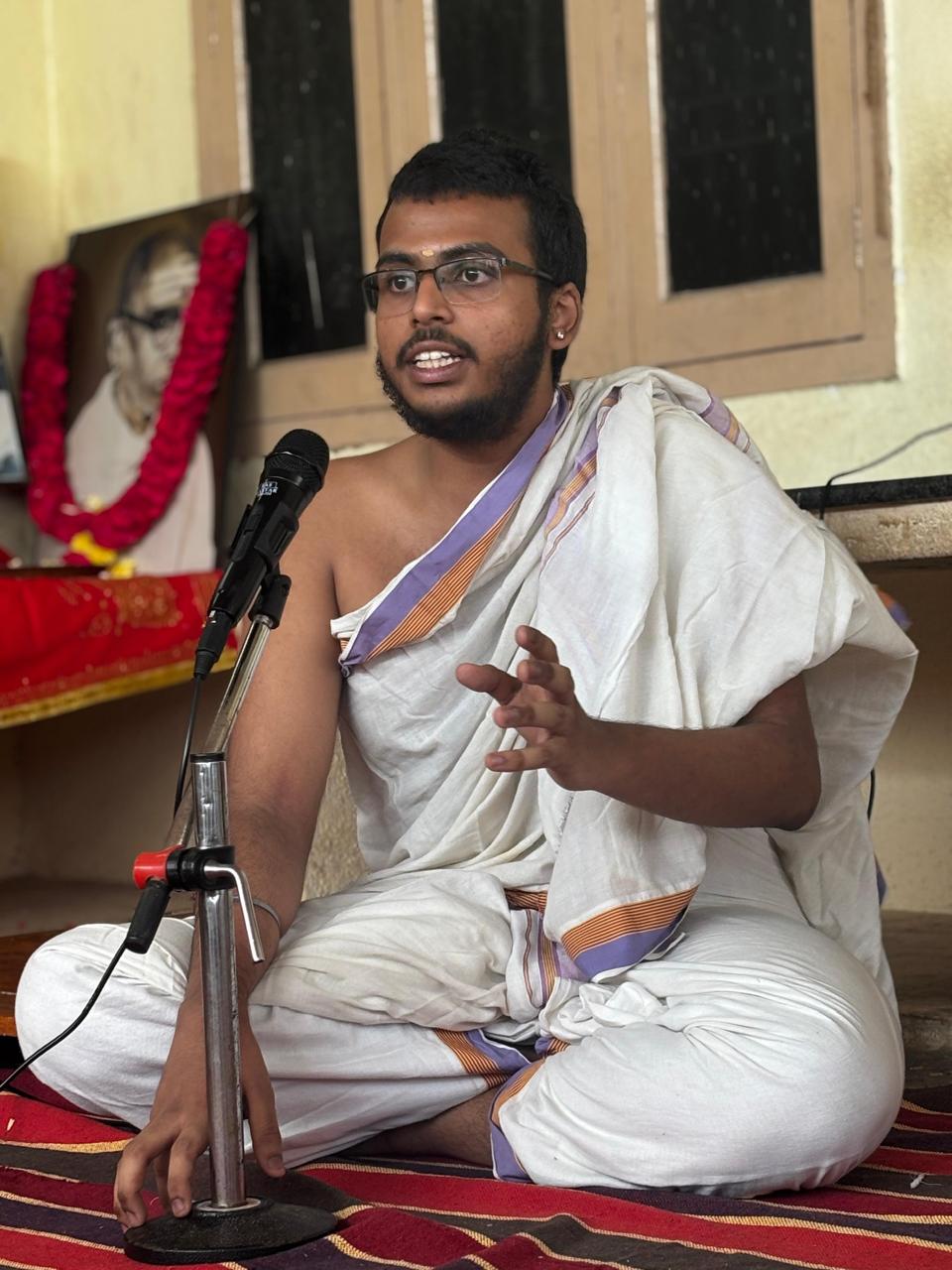
Vid. M Varadarajan
Traditional Scholar of Vedanta
Vidvan M. Varadarajan is son of Brahmasri R. Mani Dravida Sastrigal of Chennai. His traditional formation includes Veda adhyayana in the Taittiriya Sakha under Mahamahopadhyaya Brahma Sri R. Krishnamurti Sastrigal, and Vedanta Sastra under Brahma Sri Srihari Sivram Dhaygude at Tirupati.
He holds the Sastri and Acarya degrees in Vedanta from the National Sanskrit University, Tirupati and has been recognised with the titles Vedanta Ratnam (2025) and Vedanta Vidvan Mani (Tenali, 2026) by HH Kanchi Shankaracharya.
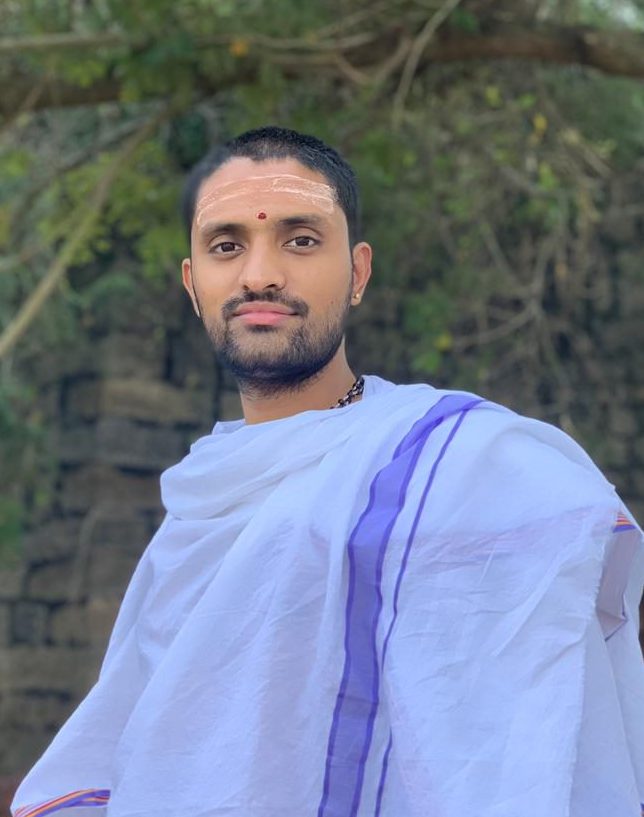
Vid. V Krishna Sharma
Vedanta Scholar. Teacher, Datta Peetham
Sri Krishna Sharma is a traditional Scholar of Samaveda & Advaita Vedanta who currently works as a teacher of Samaveda at Datta Peetham, Mysuru.He studied Samaveda under Sri. Rajesha Shrouthy and Advaita Vedanta under Dr. Kuppa
Vishvanatha sharma. He has also studied Panini Vyakarana, Ashta Brahamna, Shiksha Vyakarana, and Smarta Prayoga. He is currently pursuing PhD in Advaita Vedanta from Karnataka Sanskrit University, Banglore. He has received Veda Vibhushan award from Maharshi Sandeepani Rastriya Vedavidya Pratishthan, Ujjain.
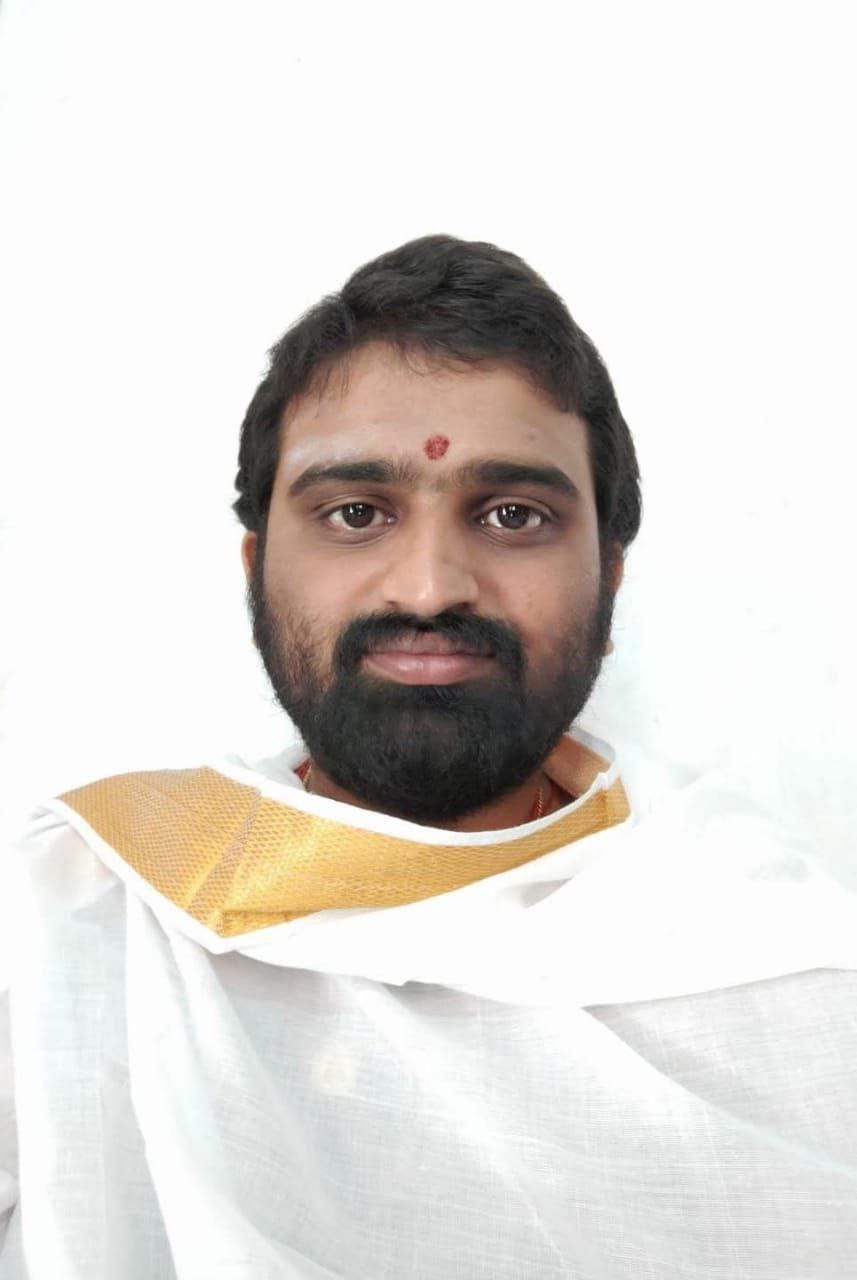
Vidwan Kuvalaya Datta
Traditional Scholar & Teacher of Advaita Vedanta, Datta Peetham, Mysuru
Sri Kuvalaya Datta is a traditional Scholar of Samaveda & Advaita Vedanta who currently works as a teacher of Advaita Vedanta at Datta Peetham, Mysuru. He studied Samaveda under Sri. Rajesha Shrouthy and Advaita Vedanta under Dr. Kuppa Vishvanatha sharma. He is currently pursuing his PhD on the topic “Nyayasudha Jignasadhikarana sameekshanam” from National Sanskrit University, Tirupati under the guidance of Sri. Ganapati Bhat.
Dr. Chandrashekhar Tekal
Traditional Ayurvedic Physician. Srividya Upasaka.
Dr. Chandrashekhar Tekal is a traditional Ayurvedic physician, Srividya Upasaka, and speaker on Vedanta, Dharma, and Ayurveda, based in Bengaluru. With over twenty-five years of service through Garhapatya Chikitsalaya, he is known for integrating Ayurveda, modern science, Veda, and Vedanta in both healing and teaching. Born into a family deeply rooted in scholarship and dharmic living, he continues a rich legacy of spiritual tradition, including the long-standing Shankara Jayanthi celebrations at Shankaraashrama.
He is the founder of Shankara Seva Bharathi and Founder Trustee of Shankara Gurukulam, dedicated to youth leadership and the revival of the traditional gurukula system. Through his pravachanas, workshops, and social initiatives, he has worked to bring Dharma, Ayurveda, and Vedanta onto a common platform for the benefit of society. His contributions have been recognized with honors such as the Tattvaloka Award for “Spirituality in Practice” (2002) and the Bharat Gaurav Puraskar (2025).
L Ramaswamy
Shri L Ramaswamy has devoted over 24 years to the study and research of Vedanta philosophy under the guidance of Swami Parthasarathy. He is stationed in Kolkata since 2002 and has engaged himself in full-time propagation of Vedanta through study classes on Upanishads, Bhagavad Gita and practical Vedanta.
Vid. Goda Anantha Somayaji
Sri Goda Anantha Somayaji is the elder son and disciple of the venerated pandit (brahmibhuta) “Advaita Siddhi Ratnakara” “Vidya Vachaspati” “Srividya Ratnam” Dr.Goda Venkateswara Sastri ànd Smt Goda Suryakumari. Sri Sastrigal was a rare confluence of being a (nishnatha) scholar par excellence in both brahmavidya and Srividya. Sri Sastrigal had delivered Vaakyartha over 3 decades at Kanchi Mutt, Sringeri Mutt, Shakatapuram and other traditional Mutts . He took classes in Sastras and Tantra at his residence, Shankara Gurukulam, Bharatiya Vidya Bhavan etc and guided innumerable Shisyas in this path. He had authored, translated, critically edited multiple books in Srividhya Upasana and Vedanta.
Having obtained training in basic texts like Tarka Sangraha since young age from his Father and Guru; Shri Ananth Somayaji completed Prastantraya; learned advanced texts in Vedanta and other Sastras and also passed many levels of Tenali exams. He got firm grounding in sastras and is delivering vaakyarthas regularly at Sadas held at Kanchi Mutt, Sri Gnananandanatha Nilayam Vidwat Sadas and various other institutions. He was initiated into Srividya by his Guru, Sri Amruteswaryamba Sameta Sri Amrutanandanatha.
Following the foot steps of his Guru, Shri Ananth Somayaji along with his brother is conducting annual Vidwat Sadas and Satachandi homam on the Jayanthi of his Paramaguru and Guru; Currently he is pursuing higher texts in Vyakarana from Shri Dattatreya Sarma and is teaching classes in sastras to junior shisyas, also, occasionally deliver lectures on Soundaryalahari and other granthas at Sampradaya Patashasala, Tirupati and other forums; He is alumni of prestigious IITM and apart from his mundane professional duties and he also performs Navavarana pujas regularly.
Dr. Kathirasan K
Kathirasan K (PhD) had his tutelage with Swami Satprakashananda Saraswati, who is a disciple of Pujya Swami Dayananda Saraswati. He studied Advaita Vedanta meticulously under Swamiji’s guidance for several years, before beginning to teach this knowledge to serious seekers. He is also the author of ‘Forty Steps to Liberation: A Commentary on the Sadhana Pancakam’ and ‘The Advaita Vedanta of Shiva Samhita’, and several books on secular mindfulness. He holds a Ph.D in Yoga Philosophy and Meditation, and an MBA.
Kathirasan was born in Singapore and has been living there all his life. He currently teaches Vedanta through his online platform, Infinite Clarity.
Sudhanshu Shekhar
Additional Commissioner of Income Tax, Pune
Sudhanshu Shekhar is from Bihar and has done his B.Tech in Mechanical Engineering from IIT Kanpur. Subsequently he cleared Civil Services Examination and was selected for Indian Revenue Service. He currently works as an Additional Commissioner of Income Tax in Pune. He has also completed LLB from Mumbai University. He is a student and seeker of Advaita Vedanta who tries to live the teachings in accordance with Vivarana prasthana.
Ashutosh Mukhopadhyay
Student of Vedanta
Ashutosh Mukhopadhyay is a 23-year-old software engineer and a dedicated seeker of Advaita Vedanta. His journey which began from the Ramakrishna-Vivekananda tradition and drawing deep inspiration from the teachings of Swami Maheshananda Giri and Swami Kashikananda Giri of the famous Dakshinamurti Matha in Kashi, led to a study of the Shastra under acharyas associated with Kailash Ashram. With deep respect for traditional scholarship, Ashutosh explores the intersection of Vedantic thought and analytic philosophy. He is also interested in ethics and aesthetics, seeking to bridge classical Indian dialectics with modern academic inquiry in a spirit of humble, ongoing learning.
Dr. Ganesh Ishwar Bhat
Dr Ganesh Ishwar Bhat is the HOD & Professor in Advaita Vedanta Department, Rashtriya Sanskrit Sansthan(Deemed University) Rajiv Gandhi Campus, SRINGERI. Born in Sirsi, North Kanara Dist. Karnataka. He had his Krishna Yajurveda adhyayana at Swarnavalli Mutt. After studying Advaita Vedanta under HH Sri Gangadharendra Saraswati Swamiji, he has qualified in the title examination Vidwan (M.A) from Karnataka Sanskrit University and M.A. in Sanskrit from Karnataka State Open University, Mysore. He received vidyāvāridhi (Ph.D.) degree from the Rashtriya Sanskrit Vidyapeetha Tirupati, for the thesis namely A Critical Study of Advaita Philosophy in Vishnupurana on the basis of Sridhariya Commentary. He completed his Shikshashastri ( B Ed) in Rajiv Gandhi Campus Sringeri. He has edited 7 books and has written several research articles in Sanskrit and Kannada language. He has delivered lectures in several religious programs & participated in many Vakyarthasabhas and Kavigoshthis in different parts of the country.
Subhadeep Basu
Vedanta Seeker. Hindustani Classical Musician.
Subhadeep’s journey began in the vibrant, spiritual landscape of Kolkata, a city perpetually cradled in the grace of Goddess Kalika. He completed his foundational studies in his hometown before venturing forth to engage in rigorous Master’s and doctoral research.
Born into a lineage of devoted Devi worshippers, Subhdeep’s intellectual life has been defined by a profound, lifelong preoccupation with the vast expanse of Indology and the subtleties of spiritual inquiry. Parallel to his formal academic pursuits, he has diligently cultivated the classical tradition, seeking the guidance of erudite scholars to traverse the intricate terrains of Sanskrit grammar, Tarkashastra, and Vedanta. Though these periods of apprenticeship were brief, they served as the bedrock for his enduring commitment to the wisdom of the Shastras.
His pursuit of harmony extends beyond the philosophical; Subhdeep is a practitioner of Hindustani classical music, finding expression through the meditative strings of the Sitar. Today, he continues to immerse himself in the perennial depths of the Vedanta and the Srimadbhagavatam, ever seeking to synthesize the precision of his scholarly endeavors with the timeless resonance of India’s spiritual heritage.
V. Anandkumar
Author. Podcaster.
V. Anandkumar worked for 25 years in Sales | Marketing – Product Management | Business Planning – across companies like Wipro, Sun, Apple. He retired at 47 after 25 years of work. He was keen to find purpose of life and learn from the greatness of our Scriptures. An avid traveller and writer, he tries to simplify complex information and connect the dots. His blog “ A Few Good Things” has been around since 2010. He recently started a Podcast series – Back to Basics.