

This event is over. See upcoming events
9:00 AM - 10:00 AM IST
Hidden in Plain Sight: Sankara’s Dhyana Marga
SPEAKERS
Adi Shankaracharya is often misread as if he had little place for meditation, because the Upanishads do not use the word samadhi. This talk argues that the claim misses a contemplative path hidden in plain sight across his own writings.
The argument moves through the prasthana-traya to show that the reality of meditation is present even where the exact term is absent. In the Brihadaranyaka, the seeker is described as samahita — the same root, the state itself. In the Brahma Sutras, Badarayana uses samadhi directly, and Shankaracharya’s gloss goes further: samadhividhanat — samadhi is enjoined by shruti. In the Katha Bhashya, he defines adhyatma-yoga as samadhana on the Self and describes yoga as disjunction from all contact with evil — twice calling it an avastha, a state in which the Self abides in its own nature, free from superimposition. Gaudapada names samadhi outright and details the mastery of the mind.
Samadhi may not be a formally required condition for liberation. But it is the highest form of the mind’s abidance in liberating knowledge — and Shankaracharya’s own words suggest we have not fully absorbed the significance he gives it. The talk asks what this means for practice today, especially for those who assume Vedanta is purely intellectual and not meditative.
Speakers
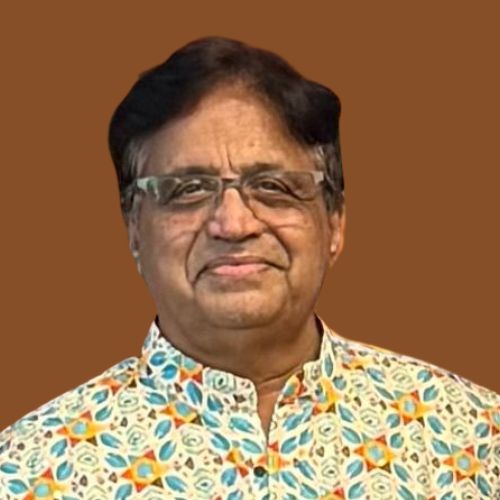
Sundar Rajan
Sundar Rajan is a technologist, project-management leader, and writer known for his ability to bring clarity to complex systems—both technical and contemplative. He has provided thought leadership in methodology, databases, architecture, and enterprise planning across multi-million-dollar public-sector initiatives. With decades of experience in large-scale technology delivery, he pairs analytical depth with long-standing exposure to Advaita Vedānta and contemplative practice. Sundar has published in industry journals, spoken at international technology conferences, and currently leads the PMI Technology Forum in Sacramento. His recent work bridges AI and meditation, exploring how modern tools can shed light on ancient inquiry.