

This event is over. See upcoming events
12:30 PM - 2:00 PM IST
The Nilgiris Retreat | Writing Historical Non-Fiction
SPEAKERS
Categories:
Contact
The Nilgiris Retreat: Crafting Powerful Historical Narratives
Where History Meets Storytelling
The Nilgiris Retreat returns with a three-day immersion focused on Historical Non-Fiction. Led by prolific author Kulpreet Yadav, this residency is designed to help you bridge the gap between rigorous research and cinematic storytelling. As India reclaims its history, more and more of us are fascinated by the complex dynamics of human emotions, high-stakes decisions, and untold perspectives, paving the rise of many new age historians. The aspiring historians aren’t short of fascinating historical subjects. Their true challenge is to figure out how to tell those uncovered nuggets in a way that keeps a modern reader turning the pages.
Whether you are a passionate blogger, a family historian in search of your roots, or an aspiring author with a notebook full of ideas, this retreat provides the tools to transform facts into a compelling narrative that breathes and lives in the hearts of your readers.
The Experience: From Research to Resonance
Set against the tranquil backdrop of the Nilgiris, this workshop moves your quest for history away from the dry, academic approach towards meaningful reflection and reconstruction. The cohort gets to focus on the craft of the narrative with Participants learning how to look at historical data through the lens of a storyteller, ensuring that accuracy never comes at the cost of engagement.
Over this weekend, we will explore:
- The Architecture of Truth: How to shape historical material into a gripping story arc with a clear beginning, middle, and end.
- Making History Vivid: Techniques to use sensory details (for example, the scent of a rainy marketplace in a coastal temple town in 1700s or the sound of a battle cry on the chilling Himalayan peaks in the 20th century and bring back past eras to life).
- The Art of the “Un-Academic” Flow: Learning to weave citations and references naturally into your prose so the reader stays immersed in the world you’ve built.
- Practical Discipline: Building the daily habits and organizational systems (bibliographies and notes) that professional authors use to manage complex projects.
The retreat is built on a “learn-by-doing” philosophy. Through impromptu writing exercises and supportive peer feedback, you will apply these techniques to your own work in real-time, receiving direct guidance from one of the industry’s most versatile authors.
Our Cohort
This workshop is intentionally designed to be intimate and inspiring. You do not need a finished manuscript to join. It is ideal for:
- Enthusiasts & Hobbyists who have a passion for a specific historical era or figure.
- Bloggers & Researchers looking to elevate their writing style.
- Aspiring Authors who feel overwhelmed by their research and need a roadmap to start drafting.
- Anyone interested in the ethical and responsible way to tell “true stories.”
What You Will Carry Home
By the end of the retreat, you will have more than just notes; you will have a clear vision for your project. You will leave with a professional understanding of how to organize your research, a set of polished writing samples, and the confidence to approach publishers with a solid proposal.
Join Us
Step away from the noise and into the mist of the Nilgiris. Rediscover the past and learn to write the stories that deserve to be remembered. The cohort size is limited to 12 to ensure personal attention and effective learning.
Venue, Logistics, Stay and Meals
The immersion will be held at AMANI VILLAS, near Coonoor in the Nilgiris, a setting intentionally chosen to support reflection and flow. It offers luxury accommodation with all meals included, featuring nourishing wellness cuisine and herbal refreshments served on-site, along with dedicated spaces for creativity and contemplation, and nature trails for mindful walks. The Nilgiris themselves become a silent teacher, offering perspective, inspiration, and calm. Accommodation is available on an all-inclusive basis at ₹12,000 per person (single occupancy), payable directly to the venue. Participants are responsible for their own travel to and from the venue.
Gratitude Based Participation
At INDICA, learning is guided by gratitude rather than transactions. This immersion is offered in a spirit of reverence for the wisdom we have inherited and for those who choose to engage with it sincerely.
Participants are invited to express their gratitude through Guru Dakṣiṇā and by supporting INDICA’s work in an amount that reflects the value of the learning and their appreciation for the space being created. Such contributions enable us to continue offering these learning experiences and to sustain the broader mission of preserving and transmitting Indian Knowledge Systems. To express gratitude in monetary form, please click here.
Gratitude may also be expressed through time and action, by carrying forward what is received through mentoring, writing, conversations, or other forms of service.
This approach allows each participant to engage with intention rather than out of obligation.
What the Retreat will cover
1. Narrative Structure in Historical Non-Fiction: Learn how to shape historical material into a gripping story arc. Understand pacing, chronology vs. thematic flow, character focus, and how to sustain reader interest without compromising authenticity.
2. Writing Vivid and Engaging Descriptions: Transform facts into scenes. Discover techniques to make places, people, and events come alive through sensory detail and evocative prose.
3. Daily Writing Mechanics and Discipline: Build sustainable writing habits. Learn practical methods to overcome writer’s block, maintain consistency, and develop a professional writing routine.
4. The Historical Research Process: Understand how to locate credible primary and secondary sources, evaluate authenticity, and avoid common research pitfalls.
5. Integrating Research Seamlessly into Narrative Flow: Avoid the trap of sounding academic. Learn how to weave facts, references, and context naturally into storytelling without breaking the narrative rhythm.
6. Curating Bibliographies, Notes, and Source Material: Master the system of organising notes, references, citations, and archives so your research remains usable throughout the writing journey.
7. Editing and Revision: Discover how good writing becomes great writing. Learn structured self-editing techniques, clarity enhancement, and tightening narrative impact.
8. Ethics, Accuracy, and Responsible Storytelling: Explore the moral responsibility of a historical writer by maintaining factual integrity, avoiding sensationalism, and representing people and events fairly.
9. Impromptu Writing Exercises with Peer Evaluation: Engage in spontaneous writing tasks followed by constructive peer and mentor feedback, helping you apply learning in real tme.
10. An Overview of the Publishing Process: Gain practical insight into how publishing works i.e. proposals, pitching to publishers, understanding editors’ expectations, and navigating the journey from manuscript to book.
Speakers
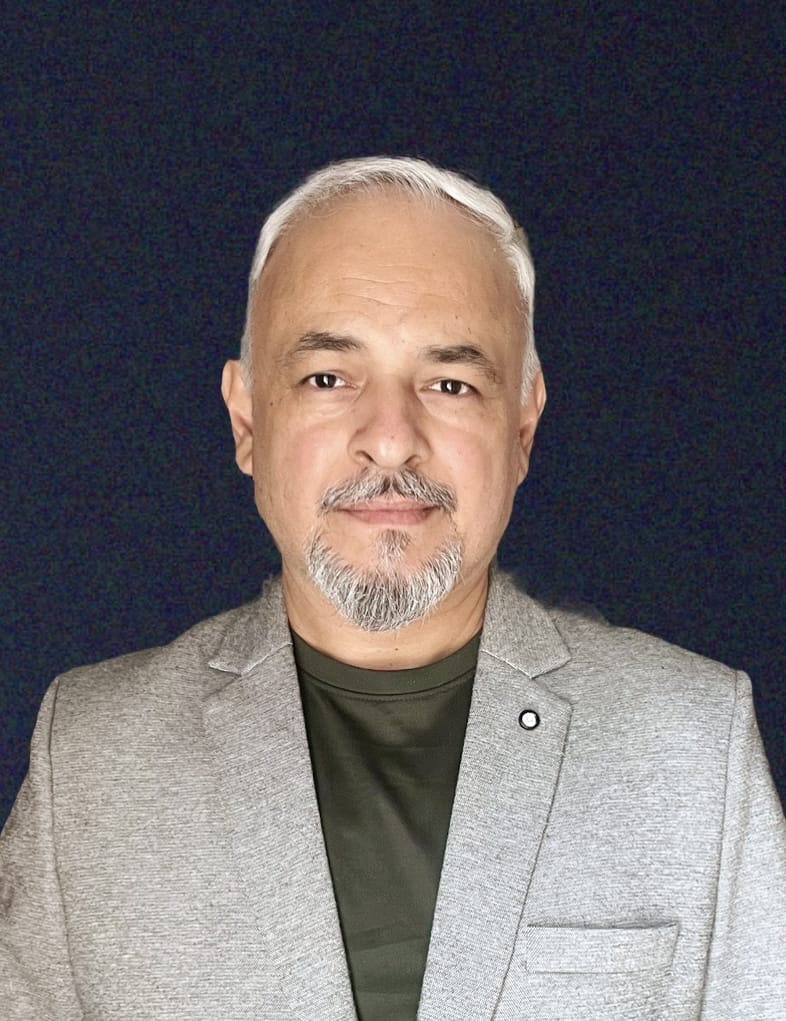
Kulpreet Yadav
Kulpreet Yadav is an acclaimed author with 18 books to his credit across various genres, including widely praised historical non-fiction works like The Battle of Rezang La. A former officer of the Indian Coast Guard, Kulpreet brings a unique blend of discipline, research depth, and narrative flair to his writing. His experience navigating the world of traditional publishing makes him an invaluable mentor for those looking to see their names on a book cover. Through his workshops, he has mentored hundreds of writers, helping them find clarity in their creative journeys.