Travel Of Indian Music

Travel Of Indian Music
Beyond The Shores Of Bharat

The Center for Soft Power is delighted to present a webinar on the travel of Music across Bharat’s shores.

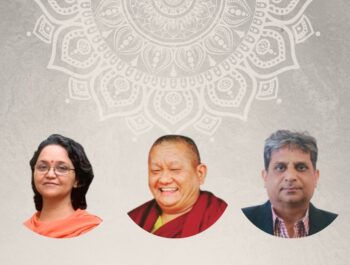
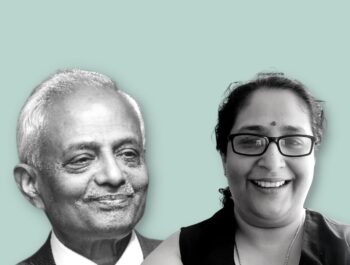
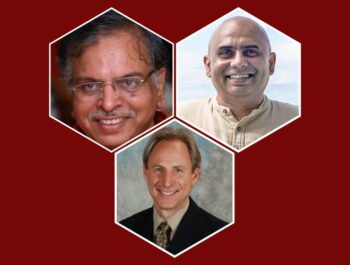
Speakers include multi instrumentalist Ken Zuckerman, Violin player and Grammy awardee Ganesh Rajagopalan, and Dr Suma Sudhindra ji, Veena player and academic.

Do join us on Saturday, July 6, at 7 pm.

Travel Of Ayurveda Across Borders Of Bharata

Center for Soft Power has scheduled a series of talks on the “Study of Travel of Ideas” to explore how knowledge has travelled from India to the world, how it transformed and its nature today. We wish to start with Ayurveda, which has many practitioners today all over the world practicing it and offering its benefits to all who believe in its value systems. The topic is “The Indian Medicine Trade Route”.

TATWA TANTU – THE SACRED THREAD OF REALITY

TATWA TANTU

 THE SACRED THREAD OF REALITY
A 6-Day Retreat @Vaidyagrama Ayurveda Healing Village

A 6-day retreat that educates, nurtures and rejuvenates you through the doorway of the senses leading to seeing our interconnectedness with the Pancha Bhutas.

The retreat will be in the Sylvan campus of Vaidyagram, where peacocks roam and trees sway to a gentle breeze. Experience classical Ayurveda with a host of doctors and staff whose care and gentleness are a salve for the stressed person. A retreat that will rejuvenate your sense organs. We see the thread of Reality interwoven through the sacred knowledge of Temples, Vedanga Vaastu, Sangeetam, Nrityam, Shilpa Sastra, Ayurveda, Vedanga Jyotisha and Vedanta with a host of renowned Gurus, Scholars and Artists.

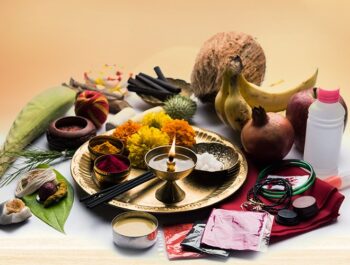
Scope to learn the how of making kumkum, Vibhuti, Kolam, weaving flowers, making clay Ganeshas, listening to stories of temples, listening to soul-stirring music and rhythm.

SCHEDULE

Date Name Topic
09-Mar-24 Mr Aditya Mazumdar Orientation
09-Mar-24 Ms Vijayalakshmi Vijayakumar Introductory Talk
09-Mar-24 Ms Meera Natampally
Temples Explained
10-Mar-24 Swami Gurupriyananda
Dhanwantari Homam and Abhishekam
10-Mar-24 Dr Vinayachandra Indica Yoga
10-Mar-24 Dr Deepa Duraiswamy
Agamas, Temples, Pancha Bhutas
10-Mar-24 Dr M V Vishwanath
Temples, Aakasa Tatwa, Vaastu
10-Mar-24 Mr Rajeev
Sound/ Hearing
10-Mar-24 Mr Rajeev
Temple, Raaga, Rhythm
11-Mar-24
Swami Gurupriyananda
Dhanwantari Homam and Abhishekam
11-Mar-24 Dr Vinayachandra Indica Yoga
11-Mar-24 Dr Rangan Ramakrishnan
Sruthi Sravaka, Aakasa and Vaayu Tatwa
11-Mar-24 Dr Vijayalakshmi Subramaniam
Temples, Vaayu Tatwa, Music, Praana
11-Mar-24 Ms Simran Lal Touch/ Feeling
11-Mar-24 Mr Rajeev
Temples, Raaga and Rhythm
12-Mar-24 Swami Gurupriyananda Dhanwantari Homam and Abhishekam
12-Mar-24 Dr Vinayachandra Indica Yoga
12-Mar-24 Swamini Brahmaprajnananda
Thread of reality interwoven through the
sacred knowledge of Pancha bhutas
12-Mar-24 Dr Padma Subrahmanyam
Ms Rukmini Vijayakumar
Temples, Agni Tatwa, Dance, Visual Arts
12-Mar-24 Vaidyas of Vaidyagrama Vision/seeing
12-Mar-24 Mr Rajeev Raaga and Rhythm
13-Mar-24 Swami Gurupriyananda Dhanwantari Homam and Abhishekam
13-Mar-24 Dr Vinayachandra Indica Yoga
13-Mar-24 Swamini Brahmaprajnananda
Thread of reality interwoven through the
sacred knowledge of Pancha bhutas
13-Mar-24 Dr Ramkumar
Temples, Aapah Tatwas, Ayurveda
13-Mar-24 Mr Rajeev Temple
Raaga and Rhythm
14-Mar-24 Swami Gurupriyananda Dhanwantari Homam and Abhishekam
14-Mar-24 Dr Vinayachandra Indica Yoga
14-Mar-24 Swami Brahmaprajnananda
Thread of reality interwoven through the
sacred knowledge of Pancha bhutas
14-Mar-24 Mr Shirdi Nath Tekur
Temples, Bhu Tatwa, Jyotisha
14-Mar-24 Ms Hemavathi & Mr Darshan Smell/Olfactory Senses and Perfumery
14-Mar-24 Mr Rajeev
Temple – Raaga and Rhythm


Ramaa Ramaa Ramaa

Ramaa Ramaa Ramaa
The Resonance

(A Countdown to Ayodhya – January 22, 2024)

॥ श्री राम राम रामेति रमे रामे मनोरमे।
सहस्रनाम तत्तुल्यं राम नाम वरानने। ॥

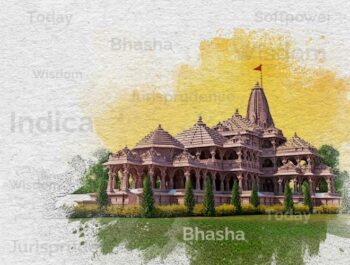
The countdown has begun for January 22, 2024.  After enduring five centuries of relentless struggle and adversity, we now stand at the threshold of a triumphant moment, where the resilience of our journey has culminated into victory.  The construction of Ram Mandir at Ayodhya stands as a testament to the enduring spirit of the entire Hindu community, showcasing their unwavering devotion to Prabhu Ram.  The imminent inauguration of Sri Ram Janmabhoomi Teerth Kshetra in Ayodhya has kindled within us a deep sense of joy and reverence.  For crores of Hindus worldwide, the Ram Mandir at Ayodhya is not just a temple, but a beacon of hope and inspiration, serving as a powerful reminder of the strength inherent in the collective human spirit.

As we embark on the precipice of this pivotal moment in our civilization, different verticals of IndicA are converging to make our humble offering to the Bhagawan.  Through conversations, storytelling, devotional hymns, lectures, and more, we will be celebrating our śraddhā to Prabhu Sri Ram while reminiscing the collective struggles, the lessons learned and unity strengthened with passage of time.

बिनु सतसंग न हरि कथा तेहि बिनु मोह न भाग।
मोह गएँ बिनु राम पद होइ न दृढ़ अनुराग ॥

(Without the company of the spiritually enlightened (satsang), the ears miss the narratives of the divine. Without that, the bonds of attachment refuse to loosen, and in the absence of shedding those bonds, a profound and unwavering love for the sacred feet of Lord Sri Rama remains elusive)

Join us from January 10, 2024 to January 21, 2024 from 9:00 PM onwards in celebrating the joys that will resonate far beyond the confines of the calendar date, echoing through the corridors of history for generations to come.

**SCHEDULE**

Date  Name Of  The Speaker  Topic
10th & 11th Jan 2024 Shri. Megh Kalyanasundaram
Director Special Projects, INDICA
Rāmāyaṇa across Bhasha-s
12th & 13th Jan 2024 Swamini Svatmavidyananda
Acharya of Arsha Vijnana Gurukulam based in Eugene, OR 
Ramayana As The Gateway To Self-Knowledge
14th Jan 2024 Shri. Ajay Viswanath
Core Faculty Member of Institute of Indic Wisdom (IIW),
In Conversation with
Shri. Radhakrishnan
Ramayana And The Shadripus (Kama, krodha, Lobha, Moha, Mada & Matsarya)
15th Jan 2024 Shri. Prasad Kaipa
Co-founder, Institute of Indic Wisdom, Board Member, Retired CEO Coach and Advisor 
Awakening Rama Within
16th Jan 2024  Shri. Vikram Sridhar  ‘The Sutra Of The Krauncha’ From Valmiki To Souteast Asia
17th Jan 2024 Dr Rama Kausalya
Founder, Marabu Foundation
&
Smt. Madhuvanthi Badrinath 
Lullabies to Baby Rama: Jo Jo Rama
18th & 19th Jan 2024 Shri. Megh Kalyanasundaram
Director Special Projects, INDICA
Dharma in Rāmāyaṇa
20th Jan 2024 Dr. Vasantkumar Bhatt
Professor & Head, Department of Sanskrit, Former Director of the School of Languages, Gujarat University, Ahmedabad  
Dharmaparipālan kī Mahimā – Shrīrām
21st Jan 2024 Sri Sri Abhinava Shankara Bharati Mahaswami
72nd Peethadipati Srimad Jagadguru Shankaracharya, Kudali Sringeri Mahasamsthana, Dakshinamnaya Sri Sharada Peetha, Kudali
In conversation with
Dr. Yogini Deshpande & Smt. Rekha Dha 
Anugraha:

Srishti-Sthiti-Laya – A Perspective From Ayurveda And Genetics

Please join us for a Series of Webinars on “Srishti-Sthiti-Laya” jointly brought to you by INDICA and Heritage.

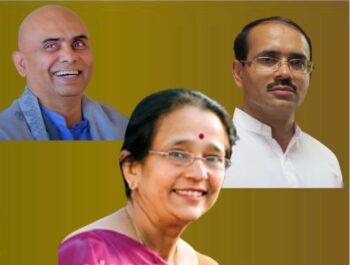
This is the 3rd in this Series where an Eminent Panel of three is in a discussion on “Srishti-Sthiti-Laya” from the “Perspective from Ayurveda and Genetics”.

This Series of Talks is a run up to “GUDIYA SAMBHRAMA – THE TEMPLE FESTIVAL 2024”

Brahma, Vishnu, Maheshwara – the Trimurti in Sanatana Dharma and the Tridevi– Saraswathi, Lakshmi and Parvathi are ever present performing their divine functions – Srishti (creation), Sthiti (preservation) and Laya (dissolution). The three aspects guide the bhakta’s expression of devotion and the expression of that devotion in the arts.

According to Advaita Vedanta, there is a beginning-less and endless cycle of creation, maintenance and dissolution or resolution, called ‘srishti’, ‘sthiti’, and ‘laya’. This is indeed fascinating as it strongly complies with the concept of matter converting into energy and back.

Energy converting into matter is called srishti. In each srishti, or creation, the variety and pattern of objects, the attributes of the bodies and minds and the events and situations have to be fashioned to suit the energy it carries. This is also related to the concept of karma.

Matter in various modes of motion is sthiti. This is the mode of existence that human beings normally refer to. This is the stage of maintenance.

The third stage of this cycle is laya or the stage of resolution. Laya is matter converting into energy. This conversion can be at any level. In-fact, on a large-scale, laya can even attain the form of ‘pralaya’.

Pralaya, often misunderstood as Dooms-Day, is anything but that. It is a part of a never-ending cycle of creation (srishti), maintenance (sthiti) and resolution (laya), which is endless and has no beginning either.

Indian Heritage Week: Celebrating Intangible Heritage of Chanting

An influential thinker from the 20th century stated that culture cannot be abridged to only its tangible products, because culture is continuously evolving and constantly evolving. According to the international community, the main attributes of a culture were limited to tangible cultural expressions, and their significance was evaluated on the basis of their artistic, aesthetic, architectural, visual, scientific, and economic value.

However, the essence of intangible elements in a culture cannot be overlooked, because these elements can be employed to accomplish the task of transferring knowledge, to the next of kin, of preservation of their own culture. Experts were of the view that in this era with a rich cultural variety of humanity moving towards uniformity. This can be dangerous because uniformity can lead to disintegration of cultural heritage.

But, Bharata is a land that includes thousands of living traditions, with each community striving hard to preserve their heritage. These include Kumbh Mela, Mysore Dasara, Karagam, Durga Puja, chanting and more. 

CSP celebrates heritage week from the 19th to 25th November, and on the culminating day, we celebrate the intangible heritage of chanting with a Vedic and Buddhist scholar. Both Vedic and Buddhist chanting of Ladakh were recognised by UNESCO and added to the Representative List of the Intangible Cultural Heritage of Humanity. 

Join us on November 25th, at 7PM IST, as we explore and celebrate the heritage of chanting. 

We will hear from experts on the importance of chanting in both Vedic and Buddhist traditions.

Symposium on Indic Fragrance and Flavours

Sugandha, Surabhi, Parimala, Aamoda are just a few of the numerous Sanskrit words for fragrance, with fragrance occupying significant place right from the Veda mantras through Itihasas, Puranas and Aagamas to ancient Sanskrit poetic works. In the famous and popular Rig Veda mantra “oṃ tryámbakaṃ yajāmahe sugandhíṃ puṣṭi-vardhánam urvārukam íva bandhánān mṛtyor mukṣīya mā ‘mṛtā́t” among the two qualities of tryambaka, the first mentioned is Sugandhi = the fragrant one.

The Yajnas were known for their diffusion of fragrance from the material offered into the fire as offerings to various Devatas. Hindu temple and household worship rituals are characterized by the offerings of the fragrant material through dhoopa, aarati, teertha and prasaada. Ayurveda devotes a significant portion of its wellness system to Aroma therapy outlining the details of different kinds of aromas that can heal various ailments. The Brihat Samhita has chapters on fragrance, Gandhayukti. Indian culinary science always incorporated Sugandha dravyas, i.e., spices in a big way giving Indian cuisine its characteristic flavor. More significantly, it is the Indian spice trade that contributed to the economy during ancient and medieval times compelling Europeans to find sea routes to India. There are detailed descriptions of how herbal powders and pastes were intensely used in the personal daily embellishment of Indians, particularly women. Aphrodisiac effects of fragrance are so well incorporated into the Hindu imagination/mind that Manmatha, the god of eros is viewed as flower-arrowed. In all the rituals and cultural traditions of all the components /strands of the Hindu cultural complex like Vaidika, Jaanapada (folk), Aaranya/ Paarvata(tribal), the fragrant material plays a vital role through their psychosomatic and magical/ supernatural effects.

The symposium is being organised in collaboration with Vigirom Pvt Ltd ( VPL) Bengaluru. VPL was established by Late Sri K. Vijayakumar, a veteran of the Indian Perfume Industry.  Sri K. Vijaykumar who studied in the School of Perfumery, France was also well versed in the use of fragrances and flavours in the Indian ethos. He was very keen on exploring this topic as it has not received due attention from the scholars. INDICA is now pleased to collaborate with Vigirom in organising this event and bringing his desire to fruition. The event will be held on 29th October.

:::SCHEDULE:::


3.00 – 3.10 Welcome Shri Hari Kiran
Founder, Indic Academy
3.11 – 3.15 Opening Remarks and Intro to Keynote speaker Smt Vijayalakshmi Vijayakumar
 Co-founder – Director, Centre for Soft Power (CSP)
3.15 – 3.45 Keynote Address Mr. Maurizio Volpi, President, Fragrance & Beauty Givaudan International, Switzerland
3.50 – 3.53 VoT & Introduction to the panel – Fragrance in folk traditions Prof Nagaraj Paturi
Director, Indic Academy
3.53 – 3.55 Introduction to the panelist Varsha V
Research Associate, CSP
3.55 – 4.15 Fragrance in Folk Traditions Dr. Janardhan Ghosh, Performing Artist, Academic, Theatre Artist & Storyteller
4.15 – 4.25 Q&A
4.26 – 4.33 VoT & Introduction to the panel – Fragrance, an Integral Aspect of Worship: Prof Nagaraj Paturi
4.33 – 4.35 Introduction to the panelists Varsha V
4.35 – 4.55 Fragrance, an Integral Aspect of Worship: Paancharatra Shri MA Madhusudhanan, Vaishnavite Scholar
4.56 – 5.15 Fragrance, an Integral Aspect of Worship: Shaiva Dr. T. S. Shanmukha Sivacharya, Acharya, Sri Kalikambal Temple, Chennai
5.15 – 5.25 Q&A
5.26 – 5.33 VoT & Introduction to the panel – Fragrance in Sanskrit Literature Prof Nagaraj Paturi
5.33 – 5.35 Introduction to Panelist Varsha V
5.35 – 5.55 Fragrance in Sanskrit Literature Dr. M.A Alwar
Professor at Maharaja Sanskrit College, Mysore
5.55 – 6.05 Q&A
6.06 – 6.13 Introduction to Panel – Aroma and Ayurveda  Smt Vijayalakshmi Vijayakumar
6.13 – 6.15 Introduction to Panelist Varsha V
6.15 – 6.35 Aroma and Ayurveda Dr. Somit Kumar Ghosh
Director, Arya Vaidya Pharmacy, Coimbatore
6.35 – 6.45 Q&A
6.46- 6.53 VoT & Introduction to the panel – Incense Industry and Indigenous Fragrances Smt Vijayalakshmi Vijayakumar
6.53 – 6.55 Introduction to the panelists Varsha V
6.55 – 7.15 Incense Industry and Indigenous Fragrances Shri Arjun Ranga  Managing Director, N Ranga Rao and Sons Pvt. Ltd.
7.16 – 7.35 Shri Yogesh Dubey President, Rakesh Sandal Industries
7.35 – 7.45 Q&A
7.46 – 7.53 VoT & Introduction to the panel – Flavours and Fragrance in Culinary Traditions  Smt Vijayalakshmi Vijayakumar
7.53 – 7.55 Introduction to Panelist Varsha V
7.55 – 8.15 Flavours and Fragrance in Culinary Traditions Smt Ammini Ramachandran
Founder, Writer, and Editor of peppertrail.com
8.25 – 8.30 VoT & Introduction to Mr Michael Carlos Smt Vijayalakshmi Vijayakumar
8.30 – 8.50 Valedictory Address Mr. Michael Carlos
Board of Directors, Givaudan
8.50 – 8.55 Vote of Thanks Prof Nagaraj Paturi


Prana…The Power of Breath

Prana in Sanskrit is used to describe the life giving force behind all of creation. It is this cosmic life-force that orbits the planets around the sun, expands and contracts the universe, fluctuates our social and ecological systems, ebbs and flows the tides of the ocean, and pulses the beat of our hearts. In essence, prana is the “cosmic breath” that moves in and out of our bodies to sustain our very existence. Many aspects of life get in our way, and hence the most important aspect gets sidelined- breathing. How we breathe can have such a powerful effect on our well-being. 

Join Dr R Rangan ji and Dr A Subramanian on 22nd April, 2022 at 6.30 PM IST where he elucidates on the power breath has on our life.

Prana…Fitness and Breath

Being fit is the new mantra. Workouts cause physical exertion, but when one pays attention to the rate, quality, and control of your breathing in your training, better results are achieved. Each time you inhale, oxygen is taken up, which is required for proper functioning of the body. The more one moves around, the need for oxygen goes up. Modern fitness enthusiasts speak of diaphragm breathing. Pranayama has always advocated diaphragm breathing for centuries. The main yogic breath to use throughout your practice is the diaphragmatic breath, also known as abdominal breathing. It requires less effort and energy while reducing stress and anxiety and improving overall health and wellness. The deep and side-core abdominal muscles are activated to stabilise your pelvis, spine and posture. Actively engaging the diaphragm improves lung capacity, volume and efficiency.

Join Dr W Selvamurthy and Dr Deepa Prakash on 20th April, 2022 at 6.30 PM IST where they will speak to us about the importance of breathing for fitness and proper cardiovascular processes. 

Prana…Prana, Pranayama and Hanuman

Pranayama has been identified as a method of sadhana to trace life energy to its source, and find the root of all creation, in the micro and macro cosmos. However, the complexities of pranayama are difficult for all to grasp. However, the essence of pranayama and it’s source ‘prana’ is found in Hanuman. Hanuman, often celebrated for his valour and devotion and intelligence is also integral to the concept of prana and pranayama. This lesser know Known aspect of Hanuman will be explored by Sri Vinay Varanasi and Sri Vivek Sadasivam through a musical and storytelling experience. They will explore and decode lesser known stories of hanuman, bringing out connections between him and life energy, prana. They are joined by Sri. Mahesh Swami on the flute, and Sri. Adamya Ramanand.

This session will be a HYBRID session. The programme will be conducted LIVE at
Prabhath Kala Poornima, Padmavathi Arcade, #1, 1st Main Road, NR Colony, Bangalore, 560019